the wire · #topnews · 2026-11-22
How This Year’s Super El Niño Will Worsen Global Hunger
Cech Tech Reviews
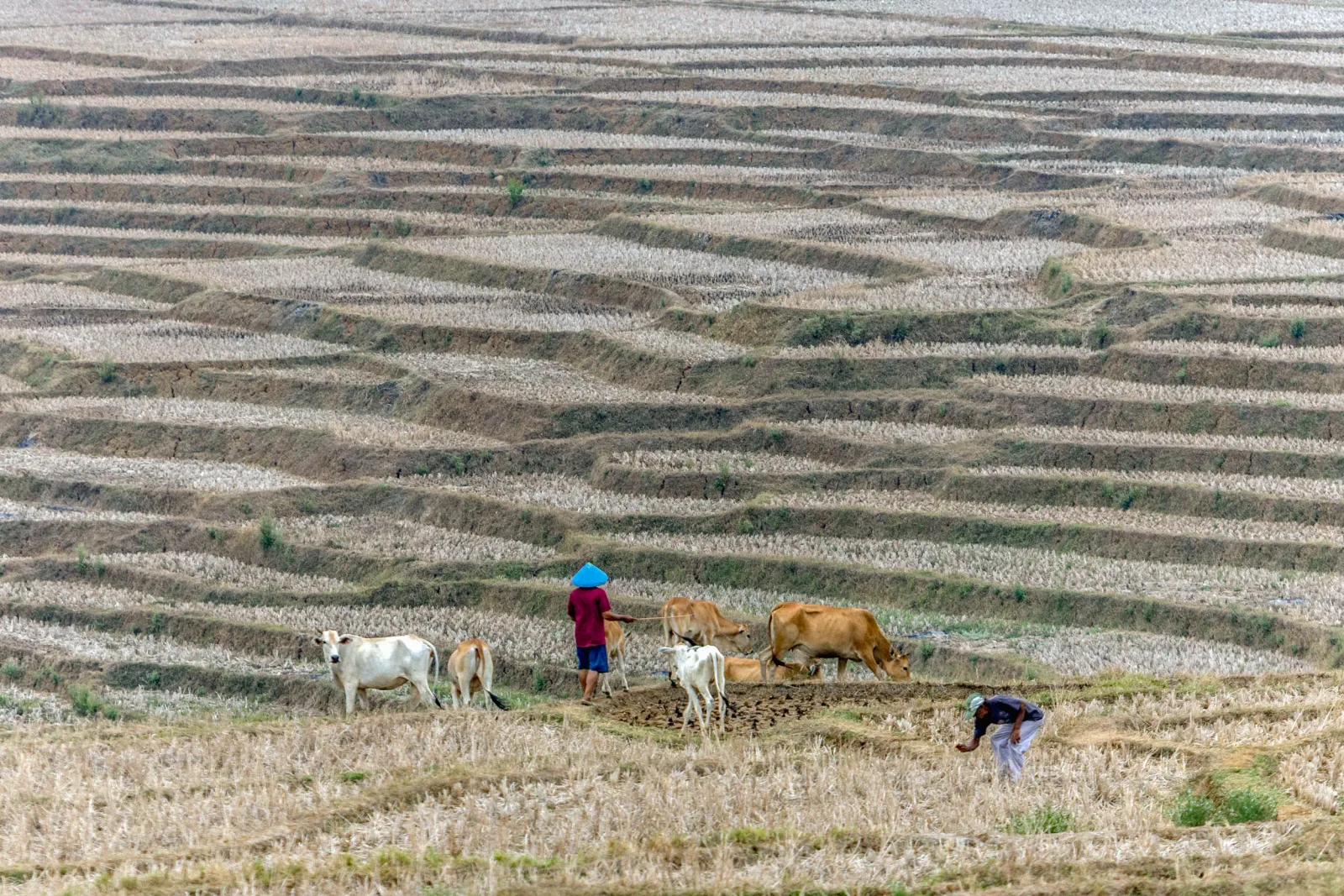
The latest reports from major news outlets are sounding the alarm on a super El Niño event that is poised to worsen global hunger. This is not just a weather update. It is a critical intersection of climate science, geopolitics, and humanitarian crisis that demands our immediate attention.
While some parts of the world may experience increased rainfall, the primary threat comes from severe droughts in already vulnerable regions. These conditions are devastating crop yields and destabilizing food supplies in countries that lack the infrastructure to adapt quickly. The disparity in weather impacts creates a complex web of risk that traditional aid models are struggling to address.
According to the reporting, this climatic pressure is being compounded by ongoing wars and significant cuts to foreign aid. The combination of conflict and reduced financial support leaves millions without a safety net. When drought strikes a region already weakened by political instability, the result is often catastrophic food insecurity.
From an AI perspective, this situation highlights a massive opportunity for technological intervention. We are seeing a growing trend where artificial intelligence is being deployed to predict crop failures before they happen. Machine learning models can analyze satellite imagery and weather data to provide early warnings to farmers and aid organizations.
The real value here lies in predictive analytics and resource optimization. AI can help NGOs and governments allocate limited resources more efficiently. By identifying which regions are at highest risk, we can direct aid and agricultural support to where it is needed most. This shifts the approach from reactive relief to proactive prevention.
However, technology alone is not a silver bullet. The root causes of hunger are deeply political and economic. AI tools must be integrated into broader strategies that address conflict and funding gaps. We need to ensure that these technological solutions are accessible to the communities most affected by climate change.
What this means for you: If you work in logistics, agriculture, or humanitarian sectors, start exploring how AI can enhance your predictive capabilities. Use an AI assistant to analyze local weather patterns and crop health data. Try this prompt: "Analyze the potential impact of current El Niño patterns on [specific region] agriculture and suggest three data-driven strategies for risk mitigation." This will help you stay ahead of the curve and contribute to more resilient systems.
Reporting basis: original story
← back to The Wire