the wire · #topnews · 2026-10-05
How to Collect CDs
Cech Tech Reviews
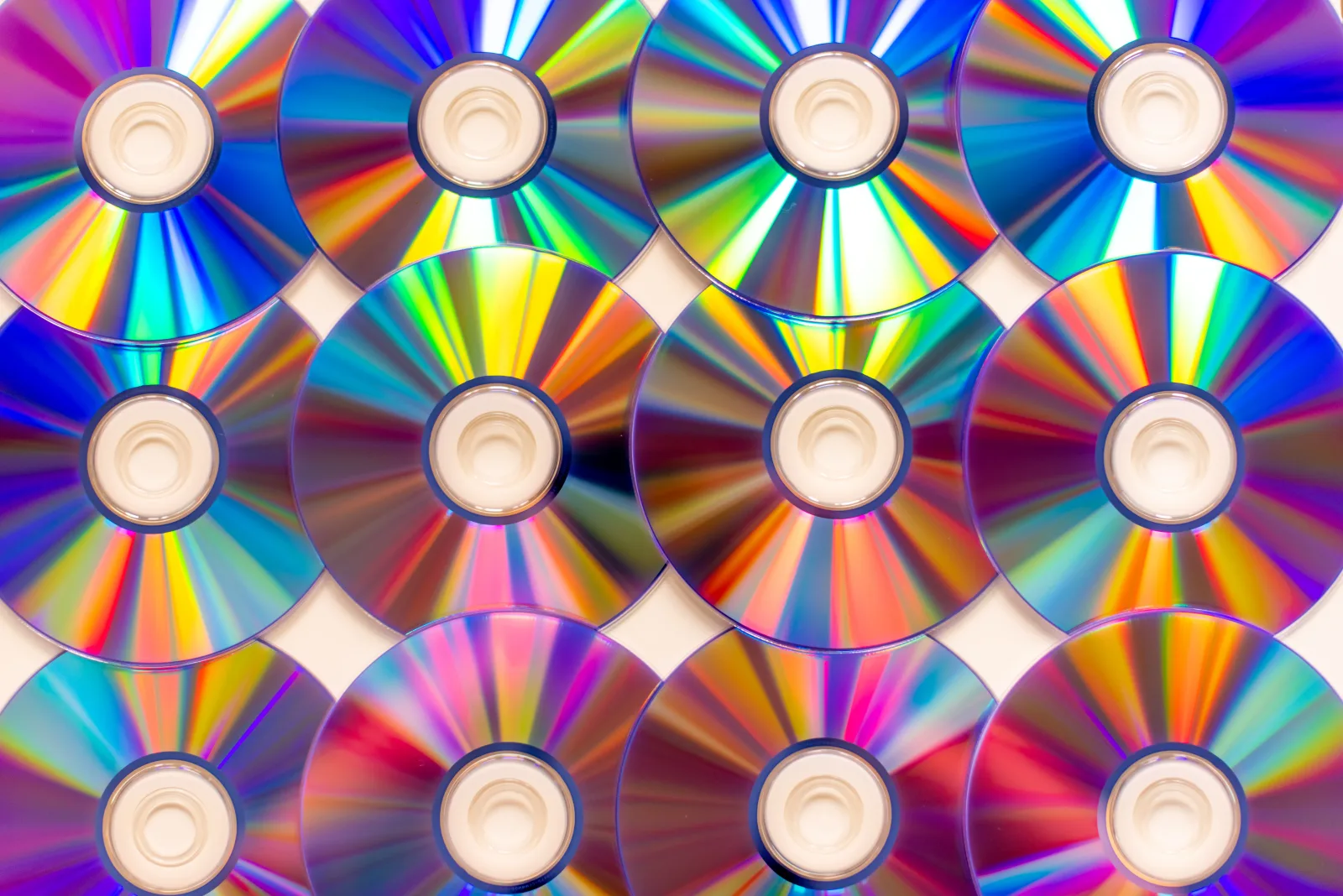
The narrative around music consumption is undergoing a quiet but significant reversal. For years, the industry pushed us toward the convenience of streaming, convincing us that access was superior to ownership. Now, a growing number of listeners are pushing back against the idea of renting their entire cultural lives. According to recent reporting on the resurgence of physical media, consumers are rediscovering the value of holding a CD in their hands. This is not just about nostalgia. It is a practical reaction to the limitations of digital-only libraries.
Streaming platforms have created a fragile ecosystem for music fans. You do not truly own the songs you pay for monthly. If a service changes its licensing deals or shuts down, your library can vanish overnight. This uncertainty is driving people back to formats that offer permanence. A CD is a physical object that cannot be remotely deleted. It represents a stable anchor in a fluid digital landscape. This shift suggests that convenience is no longer the only metric that matters to consumers.
The financial aspect of this trend is also worth noting. While streaming offers low entry costs, the long-term expenses add up. Paying for multiple subscriptions can quickly exceed the cost of buying physical albums. Collectors are realizing that a one-time purchase provides lasting value. This economic argument is particularly strong for dedicated fans who listen to the same albums repeatedly. They are choosing to invest in assets rather than paying for temporary access.
Beyond economics, there is a tactile experience that digital files simply cannot replicate. Handling a CD, reading the liner notes, and viewing the artwork creates a deeper connection to the music. This ritual slows down the consumption process. It encourages active listening rather than passive background noise. The physicality of the medium demands attention in a way that a playlist does not. This mindful engagement is a key appeal for modern collectors.
The market response to this demand has been surprisingly robust. Major retailers are expanding their physical media sections. Independent record stores are seeing increased foot traffic from younger demographics. This is not limited to vintage vinyl. CDs are experiencing a genuine revival. Artists are also responding by releasing special editions with exclusive content. This strategy adds value for collectors and incentivizes physical purchases.
This trend reflects a broader desire for ownership in the digital age. We are seeing similar movements in gaming, software, and even books. People want to control their digital lives. They want to know that their purchases are secure and permanent. The CD revival is a symptom of this larger cultural shift. It is a rejection of the disposable nature of modern tech services.
What this means for you: If you are building a personal knowledge base or content library, consider the value of owning your tools rather than renting them. Just as music collectors are seeking permanence, you should prioritize local storage and offline access for critical data. Try using an AI assistant to organize your local files into a searchable archive. Ask your AI tool to "Create a structured index of my local documents with tags for easy retrieval" to ensure your digital assets remain accessible regardless of service changes.
Reporting basis: original story
← back to The Wire