the wire · #topnews · 2026-10-03
The complex corporate web behind a $3.2 billion AI data center
Cech Tech Reviews
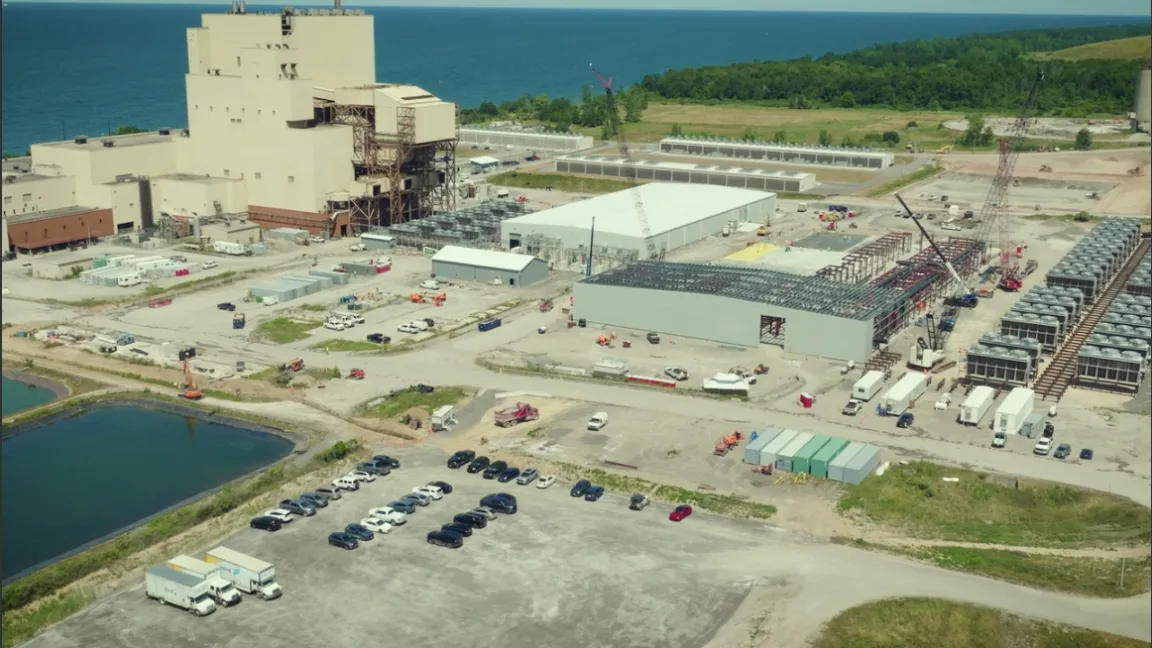
When firefighters responded to a blaze at the Lake Mariner data center in Somerset, New York this June, they walked into what the fire chief called a blind situation. No working alarms, no suppression system, three dead hydrants, and safety documents that had conveniently burned up in the fire they were supposed to prevent, according to reports.
This isn't just a construction safety story. It's a window into how AI infrastructure is being built at breakneck speed with accountability spread so thin it practically vanishes. The $3.2 billion facility, one of New York's largest AI data center projects, has a corporate structure that reads like a liability shell game.
Here's the ownership web: TeraWulf owns and operates the center on land it leases from a company owned by its own CEO. UK-based Fluidstack will run operations. Google holds warrants for 14 percent future equity and guarantees Fluidstack's lease payments. Anthropic and other AI labs are the end customers whose compute demand justifies the whole operation. When something goes wrong, who exactly is responsible?
This arrangement is becoming standard in the AI data center boom. Big AI companies want compute capacity without the capital expenditure or operational headache of building it themselves. Specialty operators want to own the facilities. Real estate players want to monetize land. Everyone wants a piece of the AI gold rush, but nobody wants to be the one holding the bag when things catch fire, literally or figuratively.
The former coal mine site on Lake Ontario represents the kind of industrial-scale infrastructure AI is demanding. These aren't just server rooms. They're power-hungry campuses that strain local grids, require specialized cooling, and operate with chemical and electrical systems that local first responders may have never encountered. When construction cuts corners or documentation goes missing, the risks multiply.
Steve Matisz, the Barker Fire Department chief, said his crew faced heavy black smoke from unidentified chemicals because the safety sheets were gone. His measured response, "it's been a difficult situation," and his uncertainty about the claim that required safety documents burned in the fire itself, suggests deeper concerns about transparency and preparedness at these facilities.
What this means for you: if you're working with AI tools or considering cloud AI services, the infrastructure behind your API calls matters more than you might think. The stability, safety, and accountability of these massive data centers directly affects service reliability and long-term viability. When evaluating AI vendors, ask where their compute runs and who operates it. For teams building AI products, try this prompt with your AI assistant: "Help me create a vendor risk assessment checklist that includes questions about data center operations, safety compliance, and corporate structure for our AI infrastructure providers." Understanding the full stack, including the physical layer, is part of responsible AI deployment.
Reporting basis: original story
← back to The Wire