the wire · #gadgets · 2026-09-18
iOS 27 and iPadOS 27 expand language support for Dictionary, QuickType Keyboard, more
Cech Tech Reviews
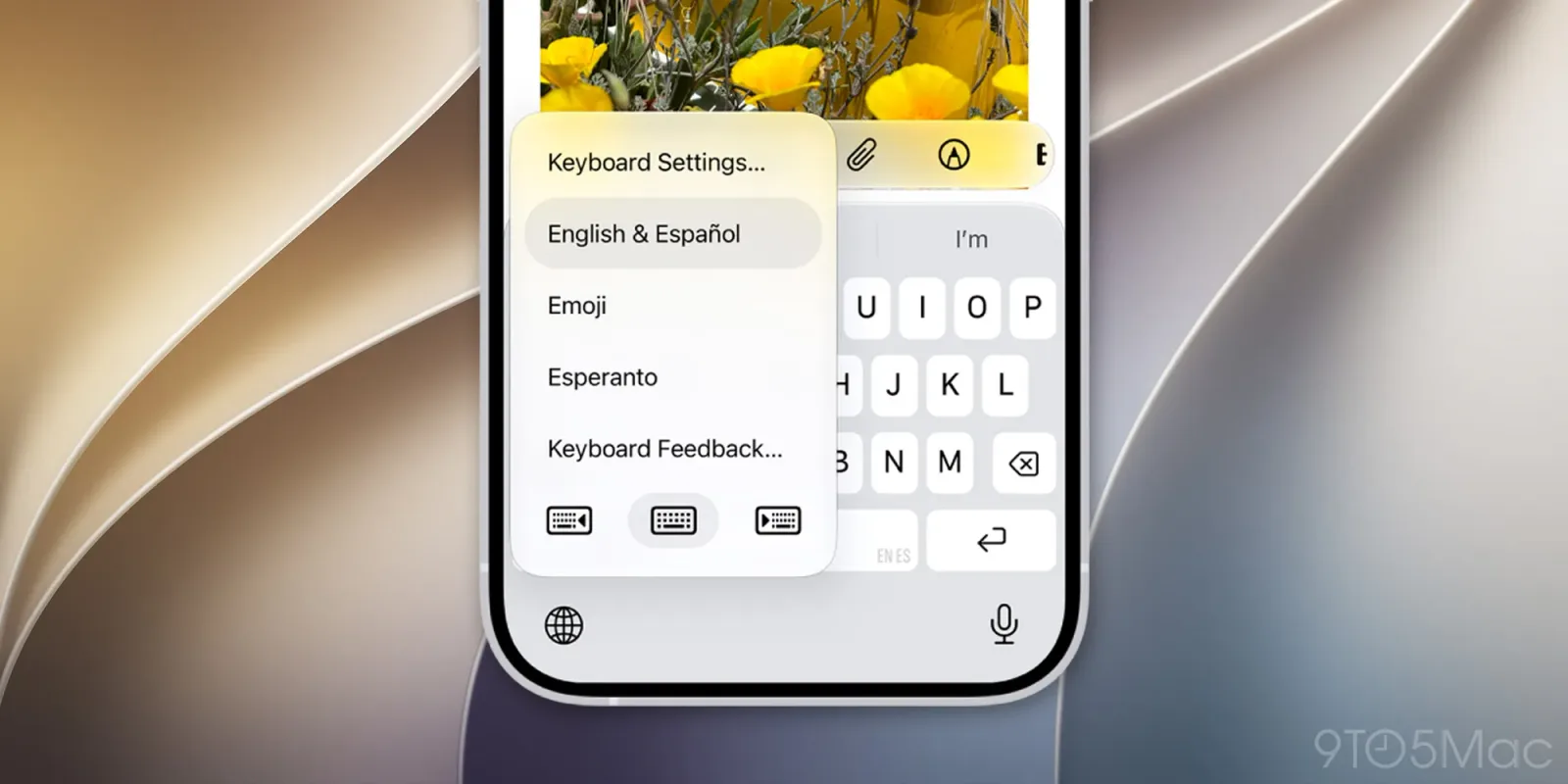
Apple has quietly but significantly broadened the linguistic horizon for its mobile ecosystems. According to recent updates on the iOS and iPadOS 27 Feature Availability page, the tech giant is rolling out support for more than thirty new languages and language variants. This is not just a cosmetic update for the settings menu. It represents a deep integration of multilingual capabilities into the core intelligence of your device.
The most immediate impact will be felt in the Dictionary and QuickType Keyboard features. For years, these tools have struggled with accuracy in less commonly supported languages. Now, with expanded support, the predictive text engine and thesaurus functions can offer more nuanced suggestions. This means fewer typos and better context awareness for millions of users who do not speak English as their primary language.
Siri is also getting a major upgrade in this regard. The ability to activate and interact with Siri in these new languages suggests a backend shift in how Apple processes natural language queries. It is no longer just about translating words. It is about understanding cultural nuances and idiomatic expressions in real time. This is a critical step toward making AI assistants truly global rather than just English-centric with a translation layer.
Visual Look Up is another beneficiary of this expansion. This feature uses on-device machine learning to identify objects, text, and landmarks in photos. By adding support for more languages, Apple is ensuring that the text extraction and object recognition features work seamlessly across diverse linguistic contexts. This is particularly useful for travelers and professionals who deal with multilingual documents or signage.
From an industry perspective, this move highlights Apple's strategy of leveraging on-device AI to drive privacy and performance. By processing these language models locally, Apple avoids the latency and privacy concerns associated with cloud-based translation services. This aligns with the broader trend of edge AI, where powerful models run directly on silicon like the A-series and M-series chips.
The inclusion of over thirty languages also signals a recognition of the growing global market for AI-enhanced devices. As AI tools become more prevalent in daily workflows, the barrier of language is one of the biggest hurdles for adoption. By removing this barrier at the system level, Apple is making its ecosystem more accessible and competitive in regions where English is not the dominant business language.
What this means for you is that your device is becoming a more powerful tool for cross-cultural communication. If you work with international clients or consume media in multiple languages, these updates will make your daily interactions smoother and more efficient. You no longer need to rely on third-party apps for basic language tasks.
Try this workflow: Open a document in a supported new language and use the QuickType keyboard to draft a response. Then, use Visual Look Up to scan a physical document in that same language to extract text. Finally, ask Siri to summarize the extracted text. This leverages the new integrated language support for a seamless multilingual workflow.
Reporting basis: original story
← back to The Wire