the wire · #gadgets · 2026-09-17
Meta AI launches Muse personal agent, including apps for iPhone and Mac
Cech Tech Reviews
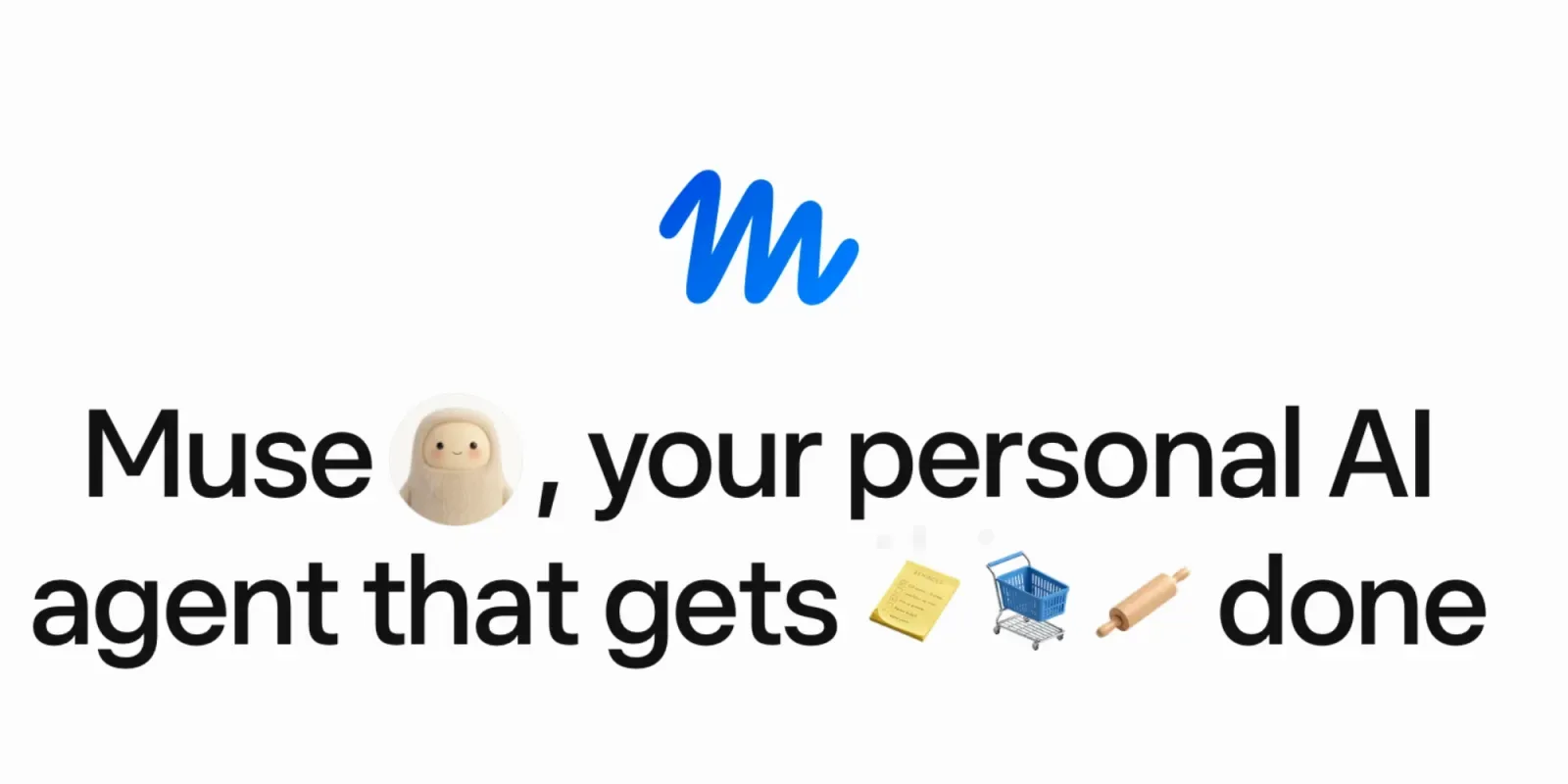
Meta has officially launched Muse, a new personal AI agent designed to operate across both iPhone and Mac platforms. According to recent reports, the service arrived on iOS first, with the Mac application following just nine days later. This rapid rollout suggests Meta is prioritizing a seamless cross-device experience for users who want their AI assistant to follow them from their pocket to their desktop.
The presentation of Muse bears a striking resemblance to xAI’s Grok Bot. Both interfaces feature a conversational front end that masks a more complex backend. However, the key differentiator here is the focus on task execution. Muse is not just a chatbot for casual conversation. It is built to handle specific, actionable tasks for the user.
This shift from passive information retrieval to active task management is a significant trend in the current AI landscape. Companies are racing to build agents that can actually do work. This includes scheduling meetings, drafting emails, or managing files. Meta is positioning Muse as a utility that integrates into your daily workflow rather than just a novelty.
The availability on Mac is particularly interesting for professionals. It implies that Meta is targeting knowledge workers who need an assistant that can interact with desktop applications. This could mean deeper integrations with productivity suites or system-level operations. The iPhone app likely focuses on mobile-centric tasks like quick notes or communication.
For entrepreneurs and tech professionals, this signals a competitive pressure to adopt similar tools. If Meta’s agents become robust enough to handle routine administrative work, the value of human labor in those areas may diminish. It is crucial to understand how these agents operate before integrating them into critical business processes.
The underlying technology likely relies on Meta’s large language models, optimized for reliability and speed. The challenge will be ensuring that the agent understands context and nuance. Misinterpretations in task execution can lead to significant errors. Users will need to develop new skills in prompt engineering and oversight.
What this means for you is that you should start experimenting with task-oriented AI agents now. Do not wait for them to become perfect. Start by using Muse for low-stakes tasks to understand its capabilities and limitations. This will help you build a mental model of how to delegate work effectively.
Try this workflow: Use Muse to draft a weekly status report. Provide it with your raw notes and ask it to structure the information into a professional summary. Then, review the output for accuracy and tone. This practice will help you refine your prompts and learn how to best leverage the agent for future reporting needs.
Reporting basis: original story
← back to The Wire