the wire · #ai · 2026-09-18
Flash floods can strike without warning, this new technology could change that
Cech Tech Reviews
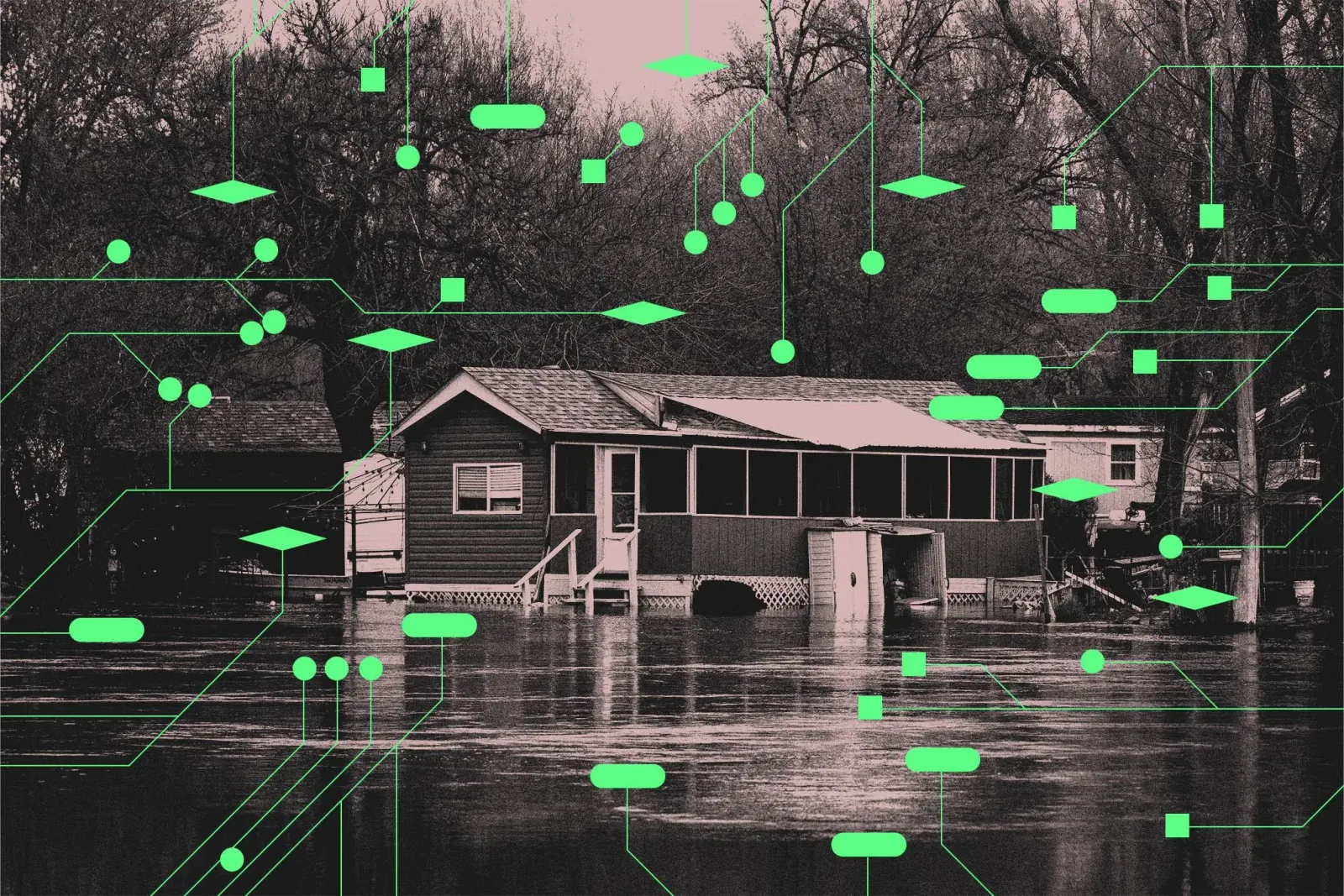
The morning of June ninth started like any other for Laura Lin in Lanesville, Indiana. She was settled into a Zoom call at her home, unaware that the heavy rain outside was rapidly turning her yard into a river. The situation escalated quickly when she noticed pieces of wood floating past her barn, a clear sign that something was seriously wrong. She immediately ended the call, woke her kids, and evacuated to a neighbor's house just in time.
According to reporting by The Verge, Lanesville received over eight inches of rain in just a few hours. This deluge far exceeded the three-inch threshold that typically triggers severe flood warnings. While Lin and her family escaped unharmed, the event highlights the deadly unpredictability of flash floods in rural areas where traditional warning systems often fall short.
This incident underscores a critical gap in current disaster management infrastructure. Rural communities like Lanesville often lack the dense network of sensors found in urban centers. By the time official warnings are issued, the water may already be rising at dangerous speeds. The lag between observation and alert can mean the difference between a safe evacuation and a tragedy.
New artificial intelligence technologies are stepping in to bridge this gap. These systems leverage computer vision to analyze real-time video feeds from existing cameras, such as those mounted on traffic lights or private security systems. Instead of relying solely on rain gauges, the AI detects visual cues like water level changes and debris movement. This allows for hyper-localized alerts that are far more immediate than regional weather broadcasts.
The implications for AI developers and emergency management agencies are profound. Integrating these models into existing IoT infrastructure creates a low-cost, high-impact early warning network. It transforms passive surveillance cameras into active safety tools. This approach democratizes disaster preparedness, giving rural residents the same level of situational awareness as those in major metropolitan areas.
For professionals in risk management and public safety, this represents a shift toward predictive rather than reactive strategies. The ability to detect anomalies in video streams in real time opens up new possibilities for automated emergency response. It also raises important questions about data privacy and the ethical use of public surveillance infrastructure during crises.
What this means for you: If you work in operations, logistics, or community planning, start thinking about how visual AI can enhance your safety protocols. You can test this concept by using an AI video analysis tool to monitor a live feed of a local waterway or drainage area. Try this prompt with your AI assistant to design a workflow: 'Outline a step-by-step process for integrating a computer vision model that detects rising water levels in a live video feed, including data sources, alert thresholds, and notification channels for emergency contacts.'
Reporting basis: original story
← back to The Wire