the wire · #gadgets · 2026-07-09
Memory prices are bad news for Android brands but may actually help Apple
Cech Tech Reviews
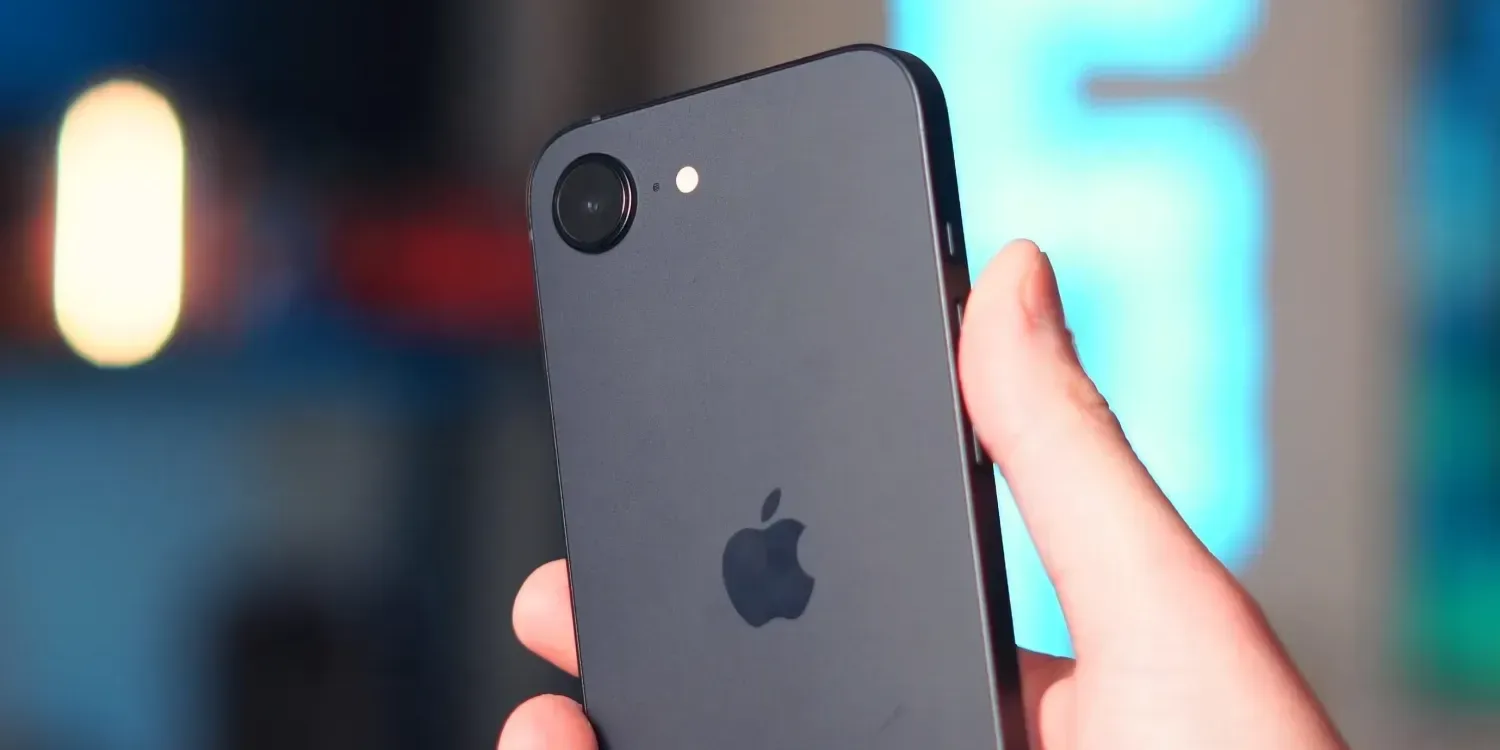
The global semiconductor market is sending a clear signal that the era of cheap memory is over, and the ripple effects are already reshaping the smartphone landscape. According to recent reporting, memory prices are climbing, creating a difficult environment for Android manufacturers who operate on thinner margins. This cost pressure is not just a minor inconvenience; it is a structural challenge that could force significant changes in how these companies price and package their devices.
Apple, on the other hand, seems to be navigating this storm with a degree of insulation that its competitors can only envy. The company has already raised prices across its broader ecosystem, including the Apple TV, HomePods, iPads, and Macs. Even the high-end Vision Pro has seen its price point adjusted upward. While iPhones have so far escaped these direct increases, industry observers expect that change to arrive by September, aligning with the annual product launch cycle.
It might seem counterintuitive that higher component costs could ever be seen as a positive. However, the dynamic here is less about the cost of goods and more about consumer perception and brand loyalty. Apple has cultivated a premium brand image that allows it to pass these costs onto consumers who are less price-sensitive. For Android brands, which often compete on value and specifications, absorbing these costs means eating into profits or risking a loss of market share.
The irony lies in the fact that increasing memory costs might actually boost iPhone sales relative to competitors. As Android phones become more expensive to produce, their retail prices may rise, pushing them out of reach for budget-conscious buyers. Meanwhile, Apple's perceived value proposition remains strong. Consumers who are locked into the Apple ecosystem are less likely to switch platforms due to a slight price hike, whereas Android users are more likely to trade down or delay upgrades.
This trend underscores a broader shift in the tech industry where scale and ecosystem lock-in are becoming the primary defenses against supply chain volatility. Apple's ability to negotiate better terms with suppliers and its massive volume give it leverage that smaller Android OEMs simply do not possess. This is not just about memory chips; it is about the entire supply chain resilience that comes with being the world's most valuable company.
For entrepreneurs and tech professionals, this situation offers a valuable lesson in positioning. When market conditions tighten, brands with strong emotional connections and high switching costs are best positioned to maintain revenue. It is a reminder that product quality is only one part of the equation; brand equity is the buffer that protects your bottom line during inflationary periods.
What this means for you: If you are building a software product or service that integrates with mobile hardware, consider how price sensitivity affects your user base. As Android devices become more expensive, users may hold onto them longer, potentially slowing the adoption of new features that require the latest hardware. To stay ahead, you should optimize your AI workflows for efficiency on older devices. Try this prompt with your AI assistant to test compatibility: "Analyze this Python script for memory usage and suggest optimizations to ensure it runs smoothly on devices with less than 4GB of RAM." This ensures your tools remain accessible even as hardware costs rise.
Reporting basis: original story
← back to The Wire![Emmy Awards 2026: Apple TV just landed a record 89 nominations [Full list]](https://aideaflow.com/api/img/news/e072d16226229529.webp)



![Apple stops signing iOS versions for several older iPhones and iPads [U]](https://aideaflow.com/api/img/news/0a7b7c0e323d0e7e.webp)