the wire · #gadgets · 2026-07-08
iOS 27 adds nine new languages and accents to Apple Translate
Cech Tech Reviews
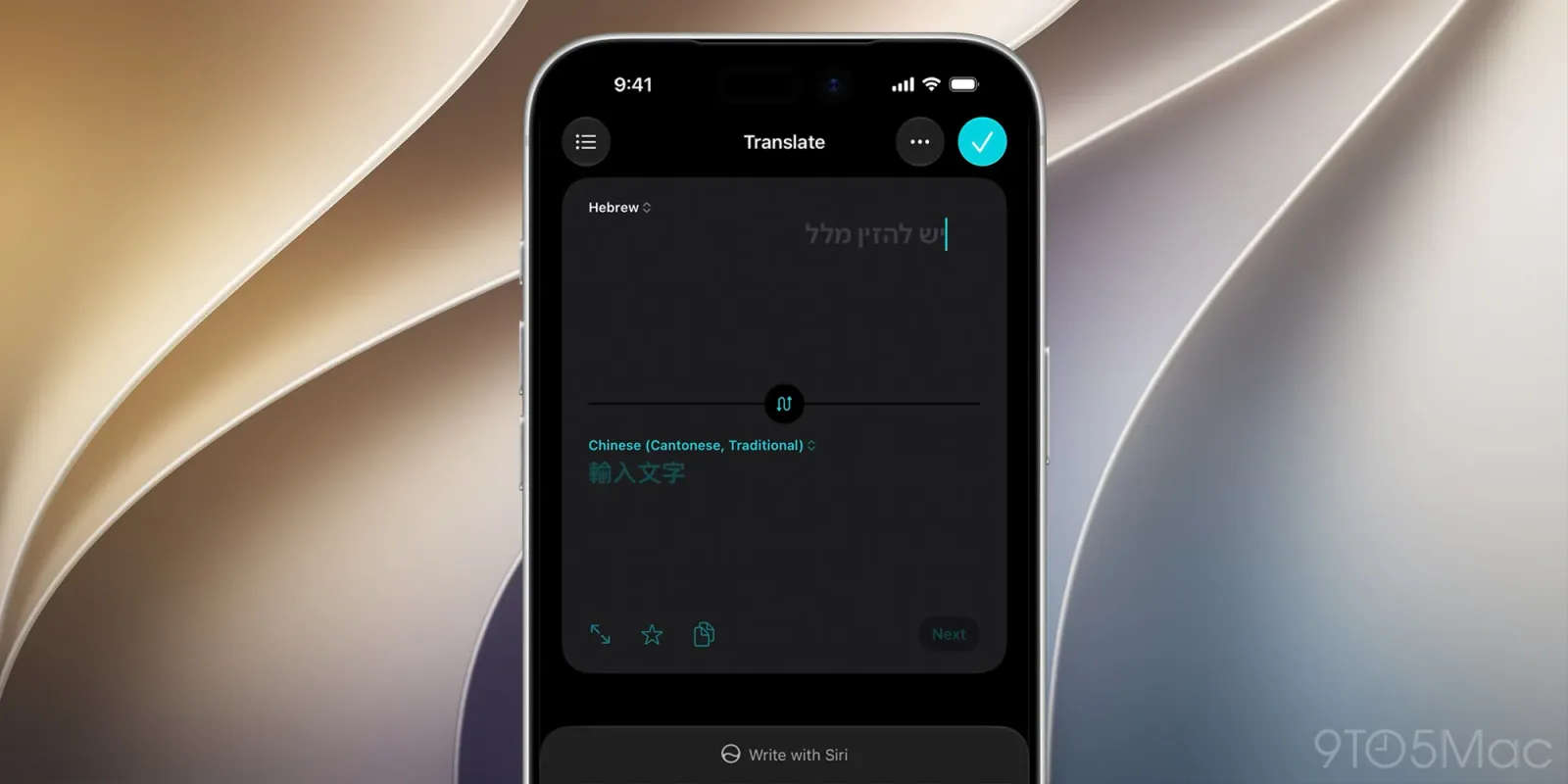
Apple has quietly but significantly expanded the reach of its ecosystem by adding nine new languages and accents to Apple Translate in the upcoming iOS 27 update. According to recent reports, this expansion is not just a cosmetic update but a strategic move to democratize communication for millions of users who have historically been underserved by major tech platforms. The inclusion of these new languages suggests that Apple is taking its on-device privacy promises seriously by ensuring that translation services remain robust without relying solely on cloud processing for every interaction.
The addition of these specific languages and accents is particularly notable because it targets regions that are often overlooked in global tech rollouts. By integrating these linguistic models directly into the operating system, Apple is reducing the latency and data usage associated with cloud-based translation services. This means that users in remote areas or those with limited connectivity can still access high-quality translation features without compromising their privacy or battery life. It is a subtle but powerful shift in how Apple positions its hardware as a tool for global connectivity rather than just a consumer luxury.
This update also aligns with broader industry trends where artificial intelligence is becoming more localized and efficient. As AI models shrink and become more powerful, the ability to run complex language processing tasks on-device is becoming a standard expectation rather than a premium feature. Apple's decision to bundle these new languages into iOS 27 indicates that they are leveraging these advancements to provide a seamless experience that feels native to the device. This approach not only enhances user experience but also reinforces the security benefits of keeping data on the user's phone.
For entrepreneurs and professionals who rely on cross-border communication, this update offers a practical advantage. The ability to switch between multiple accents and languages instantly can streamline international meetings and customer support interactions. It reduces the friction of using third-party translation apps that often require separate subscriptions or suffer from inconsistent quality. By having these capabilities built into the core operating system, Apple is making it easier for businesses to operate in diverse linguistic environments without additional overhead.
The integration of new keyboard and typing improvements alongside these translation updates further enhances the utility of the feature. Users can now type in one language and receive translations in another with greater accuracy and speed. This synergy between input methods and translation engines creates a more cohesive workflow for multilingual users. It is a clear example of how hardware and software improvements can compound to create a superior user experience that competitors may struggle to replicate quickly.
As we look at the competitive landscape, this move puts pressure on other tech giants to expand their own language support. Google and Microsoft have long been leaders in this space, but Apple's focus on privacy and on-device processing offers a compelling alternative for users who are concerned about data sovereignty. The success of iOS 27 will likely depend on how well these new languages are integrated into everyday tasks like messaging, browsing, and content creation. If executed well, it could become a key differentiator for Apple in emerging markets.
What this means for you If you work in international business or travel frequently, you should test the new translation features in iOS 27 as soon as they are available. Try using the dictation feature in your preferred new language to see how accurately it captures speech and converts it to text. This will help you gauge the reliability of the tool for real-world scenarios where precision is critical. You can also experiment with translating documents or messages in real-time to see how the on-device processing handles complex sentences. This hands-on approach will give you a better sense of how these updates can streamline your daily communication workflows.
Here is a prompt you can try with an AI assistant to prepare for multilingual interactions:
"Create a list of common business phrases in [New Language] along with their English translations and phonetic pronunciations. Include tips on cultural etiquette for greetings and closing remarks in this region."
Reporting basis: original story
← back to The Wire