the wire · #ai · 2026-09-16
The 2.5-hour AI-generated Odyssey movie is 2.5 hours too long
Cech Tech Reviews
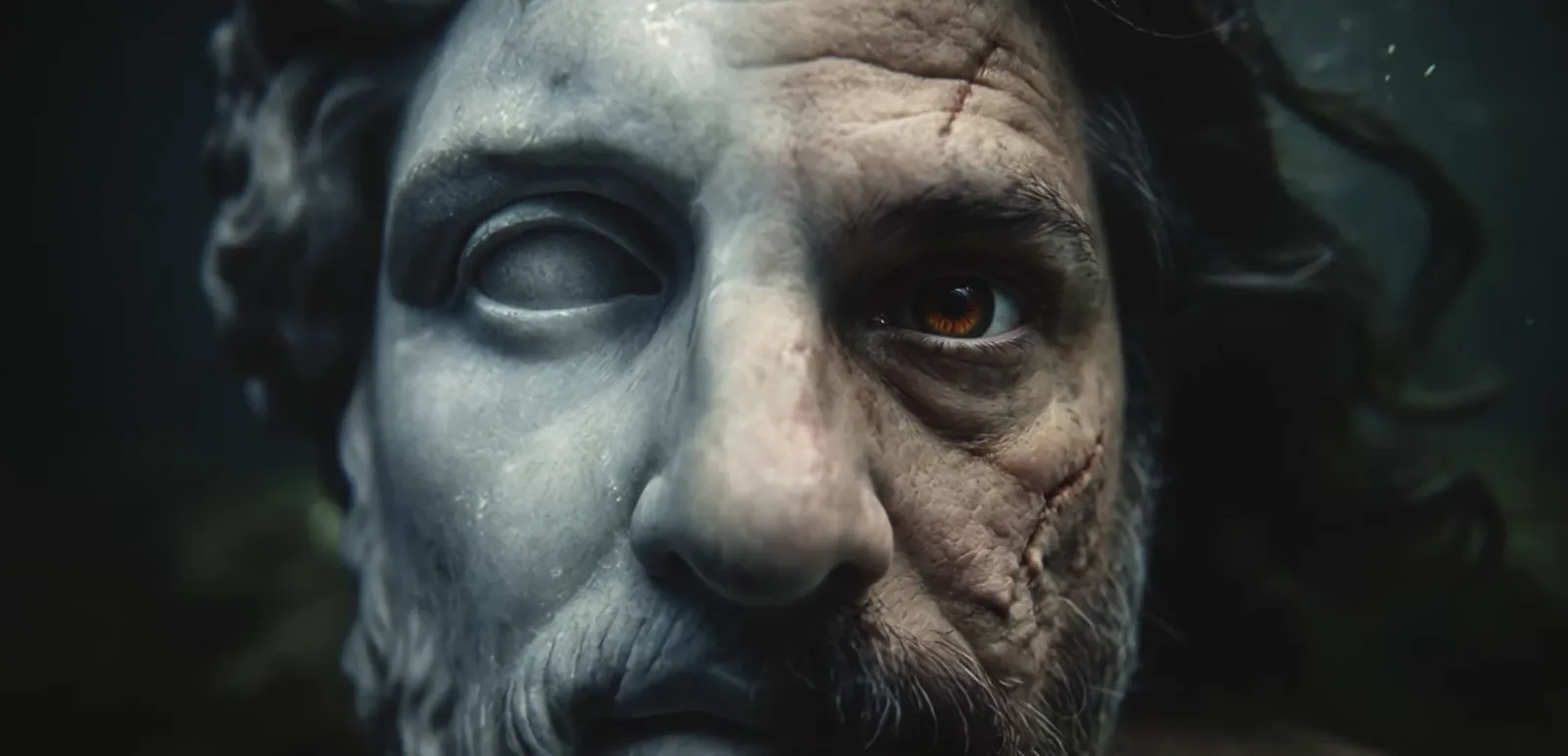
The recent cultural wave sparked by Christopher Nolan’s live-action adaptation of The Odyssey has done wonders for classic literature. It reminded audiences that epic narratives still hold power when crafted with human intention and technical mastery. However, a new AI-generated retelling threatens to undo that goodwill entirely. According to The Verge, this latest project is so poorly received that it might actually make viewers dislike the original tale. This is a stark reminder that accessibility does not equal quality in creative media.
The film in question is titled Odysseus: The Fall. It was produced entirely using artificial intelligence by the firm Fountain 0. The project is led by Ash Koosha, who serves as the company’s cofounder. He took on the roles of writer, director, and even the likeness for the title character. Koosha also composed all the music for the piece. This level of solo involvement is impressive, yet the final product fails to deliver on the promise of such comprehensive control.
The credits for the film are notably short. This brevity might suggest a lack of collaborative effort or perhaps an attempt to minimize the visibility of the limitations. The studio’s previous work, Dreams of Violets, did make it into the Tribeca Film Festival. That earlier project showed some potential for AI in narrative cinema. However, Odysseus: The Fall seems to regress significantly in terms of execution and viewer engagement.
The core issue here is not just technical glitches. It is about the fundamental disconnect between AI generation and human emotional resonance. Nolan’s film succeeded because it felt grounded. In contrast, this AI odyssey feels hollow and disjointed. The visual artifacts and pacing issues likely distract from any narrative merit. Viewers are left wondering why they should invest time in a story that feels so unfinished.
This situation raises important questions about the future of AI in filmmaking. While tools are becoming more powerful, they still lack the nuanced understanding of pacing and character development. Human directors provide the soul that algorithms cannot replicate. The risk is that audiences will conflate these early AI experiments with the potential of the technology as a whole. That is a dangerous precedent for the industry.
For creators and entrepreneurs, this serves as a cautionary tale. Simply using AI to generate content is not enough. You must curate, edit, and refine with a human touch. The market is becoming saturated with low-effort AI media. Standing out requires more than just novelty. It demands a clear vision and rigorous quality control. Audiences are becoming more discerning about what they consume.
What this means for you is that you should approach AI tools as assistants, not replacements for your creative judgment. Use them to brainstorm or generate rough drafts, but always apply your own critical eye. Do not release raw AI output into the world. Instead, treat it as a starting point for your own narrative. Try this workflow: use an AI video generator to create three distinct visual styles for a scene. Then, manually select the best one and use an AI editor to smooth the transitions. This hybrid approach ensures quality while leveraging speed.
Reporting basis: original story
← back to The Wire