the wire · #global · 2026-08-26
Meta to Pay Up to $17.1 Billion in Landmark Settlement Over Social Media Addiction Claims
Cech Tech Reviews
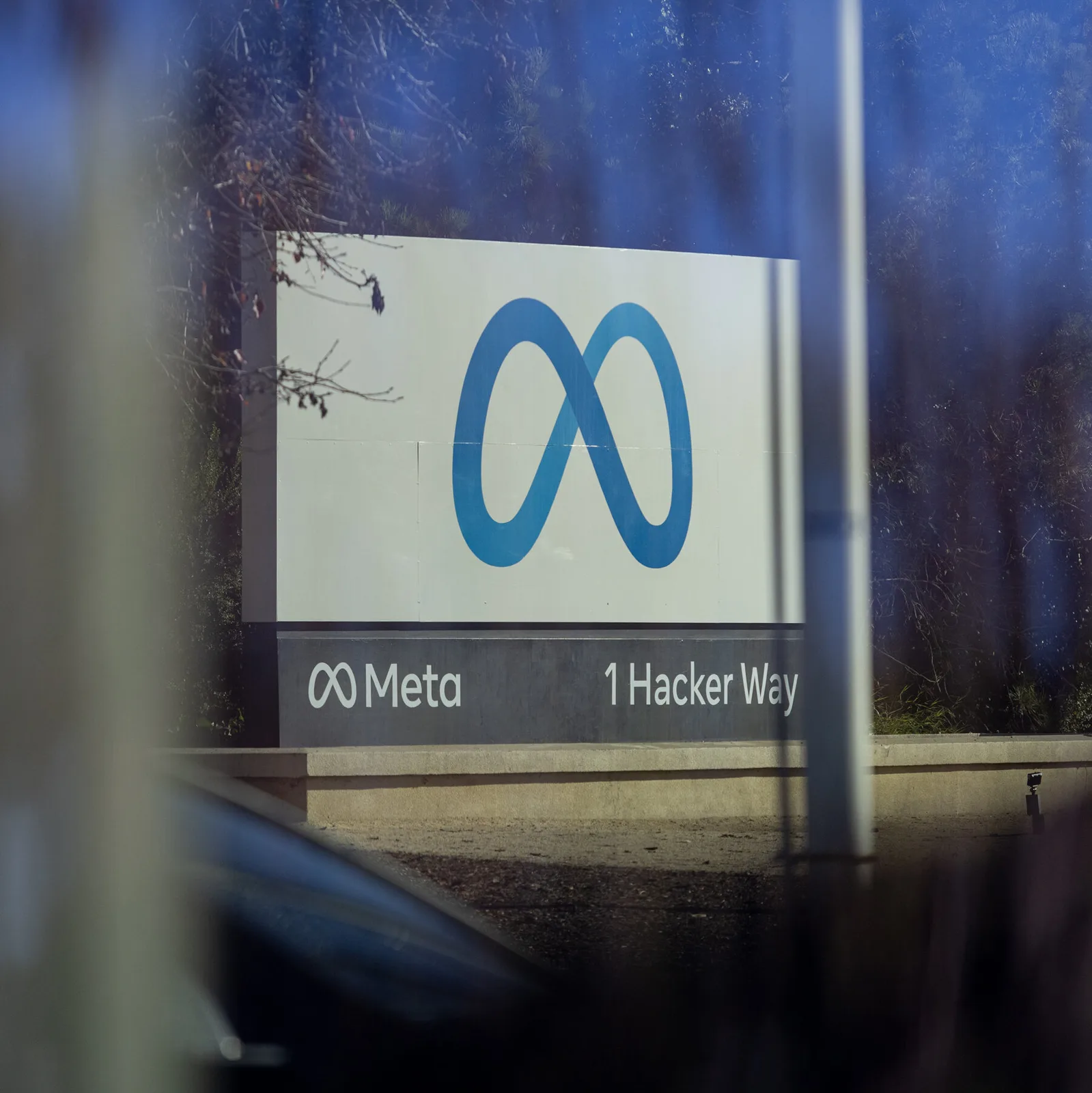
Meta has agreed to pay up to $17.1 billion to resolve a massive lawsuit brought by 47 states, the District of Columbia, and U.S. territories. This landmark settlement addresses long-standing concerns that the company's platforms endangered children by fostering addictive behaviors. The agreement marks one of the largest financial penalties in the history of social media litigation.
According to the reporting, the settlement is not just about the money. Meta has also committed to making significant changes to its products. These changes are designed to reduce the addictive nature of its platforms and improve safety for younger users. This dual approach of financial restitution and structural reform sets a new precedent for the industry.
The core of the lawsuit revolved around the idea that Meta's algorithms were designed to keep users, especially minors, engaged for as long as possible. Critics argued that this design choice prioritized engagement metrics over mental health and well-being. The settlement acknowledges the societal impact of these design decisions, which has been a growing concern among regulators and parents alike.
From an AI perspective, this is a critical moment for algorithmic accountability. Meta's recommendation engines are powered by sophisticated machine learning models that optimize for user retention. The settlement forces the company to reconsider how these models are trained and what objectives they prioritize. It suggests that future AI systems may need to include safety and well-being as primary optimization goals rather than secondary considerations.
This development could reshape how AI developers approach product design. We might see a shift toward models that are explicitly trained to discourage excessive usage or to promote healthier interaction patterns. This could lead to new tools and features that help users manage their screen time more effectively. It also raises questions about how AI can be used to detect and mitigate harmful content more proactively.
The financial implications are substantial. A $17.1 billion payout is a significant hit to Meta's bottom line. However, the cost of inaction could have been even higher if stricter regulations had been imposed. This settlement serves as a warning to other tech companies that they cannot ignore the societal impact of their products. It underscores the need for ethical AI development and responsible product design.
What this means for you: As AI tools become more integrated into our daily lives, understanding the ethical implications of algorithmic design is crucial. You can start by auditing your own digital habits and using tools that help you manage screen time. Try this prompt with an AI assistant to create a personalized digital wellness plan: "Analyze my typical daily screen time patterns and suggest three actionable steps to reduce passive scrolling and increase intentional engagement with technology." This simple exercise can help you take control of your digital environment in an era of increasingly persuasive AI-driven content.
Reporting basis: original story
← back to The Wire