the wire · #ai · 2026-08-25
OpenAI’s Jalapeño chip is built for fast inference at scale, benchmarks show
Cech Tech Reviews
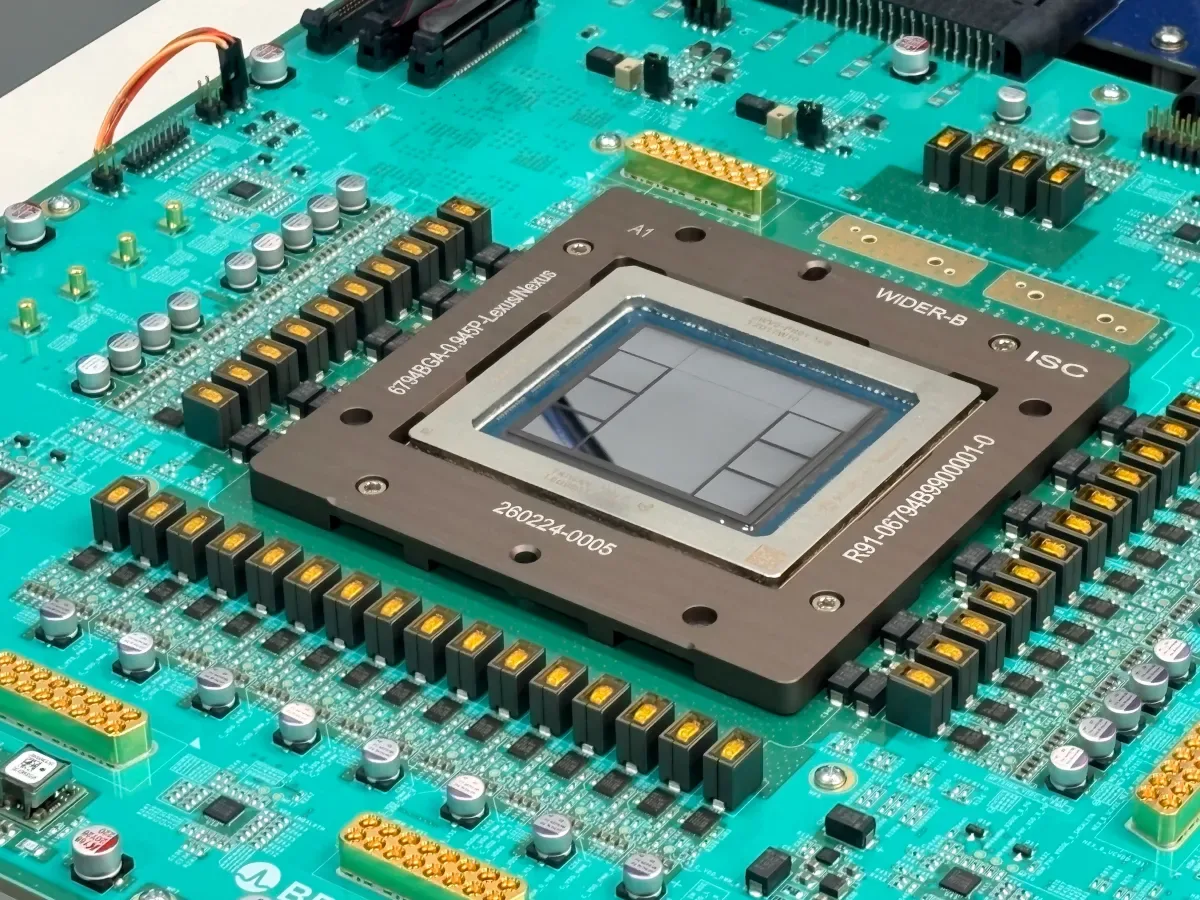
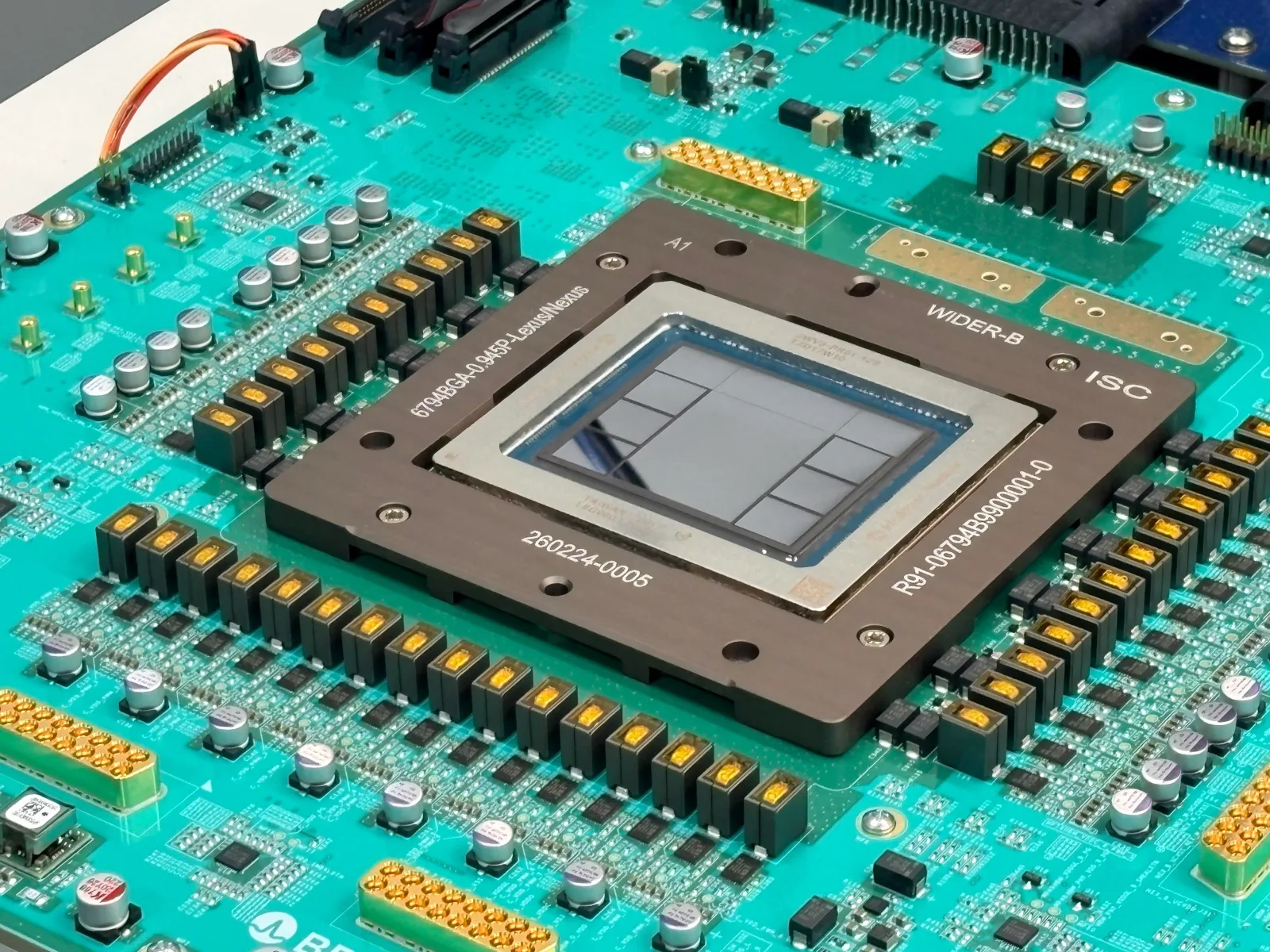
OpenAI has officially unveiled its custom silicon, the Jalapeño chip, and the initial benchmark data is nothing short of impressive. According to SemiAnalysis, which tested the hardware on their rigorous InferenceX benchmark, the new chip is setting a new bar for what is possible in large language model deployment. This is not just a minor iteration but a significant leap forward in how we think about serving AI models to millions of users simultaneously.
The most striking metric from the testing is the sheer volume of tokens processed per user. Jalapeño is delivering higher throughput than the current state-of-the-art hardware available on the market. For companies running high-traffic applications, this means the ability to handle more concurrent requests without the latency that often plagues consumer-facing AI tools. It is a direct answer to the scalability bottlenecks that have frustrated developers and users alike.
But speed is only half the story. The other critical factor is energy efficiency, and this is where Jalapeño truly shines. The chip demonstrated superior tokens per kilowatt compared to existing solutions. In an industry that is under increasing scrutiny for its massive power consumption, this efficiency gain is a game changer. It suggests that OpenAI is serious about making large-scale inference sustainable, not just fast.
This development highlights a broader trend in the tech industry where major players are moving away from reliance on generic GPU clusters. By designing their own silicon, OpenAI is gaining granular control over the hardware-software stack. This vertical integration allows for optimizations that third-party chip makers simply cannot match. It is a strategic move that could define the next era of AI infrastructure.
For entrepreneurs and AI professionals, the implications are clear. The cost of running inference will likely decrease as these efficient chips become more widely available. This could lower the barrier to entry for building sophisticated AI applications. Startups that can leverage this infrastructure will have a significant advantage in terms of both performance and operational costs.
The race for inference dominance is heating up, and OpenAI is making a bold statement with Jalapeño. While competitors are still playing catch-up in terms of custom silicon, OpenAI is establishing a new standard for efficiency and scale. This could force other major players to accelerate their own hardware development efforts to remain competitive in the market.
What this means for you: If you are building or scaling an AI application, keep a close eye on how OpenAI rolls out access to this hardware. The efficiency gains could translate into lower costs and faster response times for your users. To prepare, try using an AI assistant to audit your current inference workflows. Ask it to identify bottlenecks in your token processing pipeline and suggest optimizations that could maximize throughput before the new hardware becomes widely accessible. This proactive approach will ensure you are ready to capitalize on the next generation of AI infrastructure.
Reporting basis: original story
← back to The Wire