the wire · #gadgets · 2026-09-26
OpenAI accuses Apple of improperly adding new evidence to trade secrets case
Cech Tech Reviews
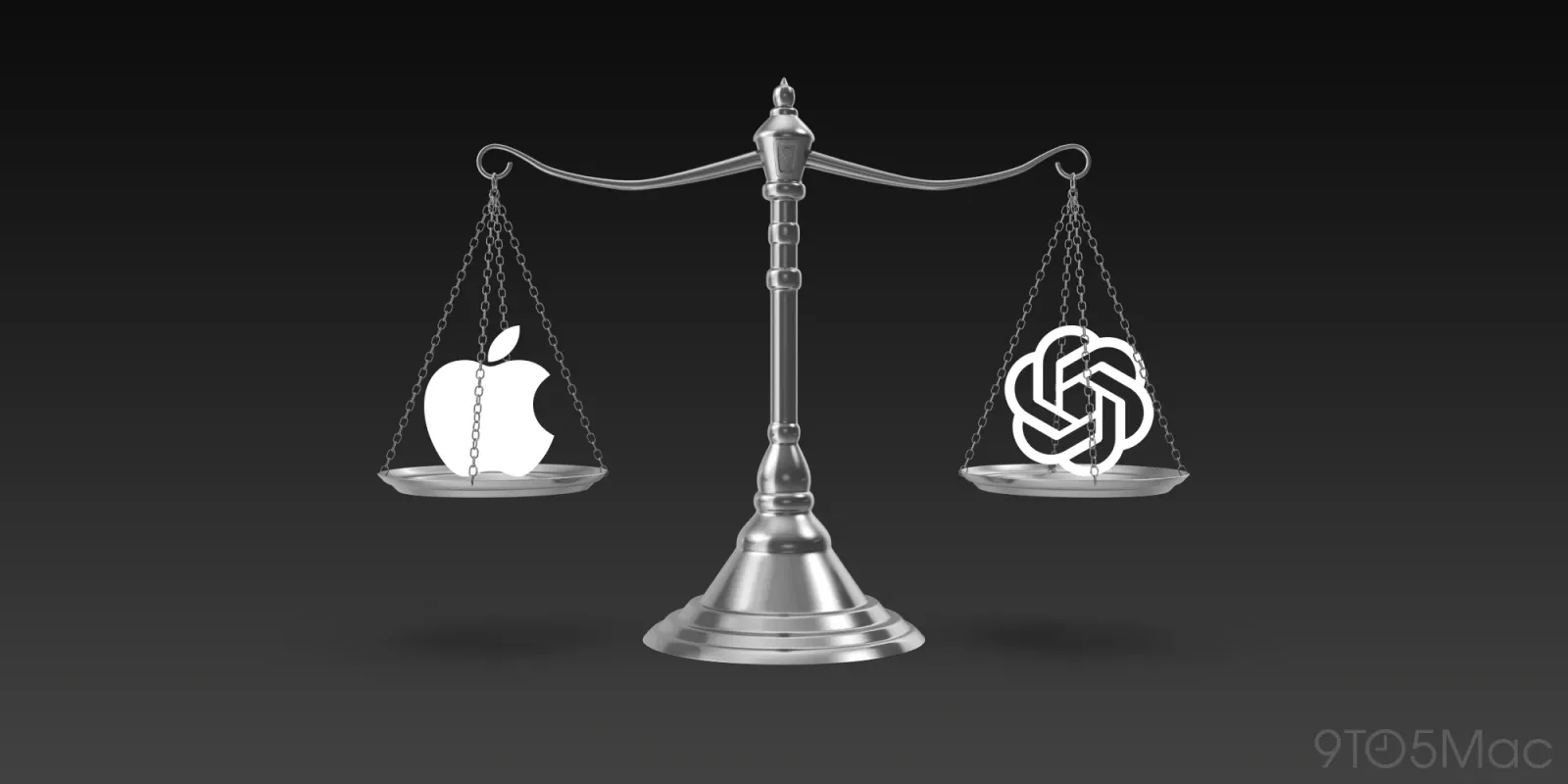
The legal battle between OpenAI and Apple has taken a sharp turn, with OpenAI and other defendants filing a motion to strike two expert declarations and disregard additional evidence recently submitted by Apple. According to the latest reporting, this aggressive procedural move suggests that the core dispute is no longer just about who owns what, but about the very integrity of the evidence presented in court. It is a clear signal that both sides are digging in for a prolonged and complex legal fight.
This development is particularly interesting because it moves beyond simple allegations of theft into the realm of evidentiary procedure. By challenging the validity of expert testimony, the defendants are attempting to undermine the scientific or technical basis of Apple’s claims. This is a common tactic in high-tech litigation where the facts are often buried under layers of complex code and proprietary architecture that only experts can decipher.
The timing of this filing cannot be ignored. As Apple continues to integrate more advanced AI capabilities into its ecosystem, the stakes for protecting its trade secrets have never been higher. OpenAI’s response indicates that they believe Apple’s new evidence is either irrelevant or improperly obtained. This creates a fascinating dynamic where the courtroom becomes a proxy for the broader competition between open and closed AI models.
From an industry perspective, this case highlights the growing tension between tech giants and AI startups. Apple has long guarded its data and algorithms closely, while OpenAI has operated with a different set of norms regarding transparency and open-source contributions. The clash over trade secrets is not just a legal issue but a philosophical one that will shape how AI is developed and distributed in the coming years.
The involvement of expert declarations adds another layer of complexity. These experts are often tasked with explaining technical nuances to judges and juries who may not have deep technical backgrounds. If the defendants can successfully strike these declarations, it could significantly weaken Apple’s position. It forces the court to rely on other forms of evidence, which may be less persuasive or more difficult to interpret.
What this means for you is that the AI landscape is becoming increasingly litigious. For developers and entrepreneurs, this serves as a reminder that intellectual property boundaries are becoming more blurred and contested. You need to be vigilant about how you handle proprietary data and ensure that your own workflows are compliant with evolving legal standards. Consider implementing stricter data governance protocols in your AI projects to mitigate similar risks. Here is a prompt you can use to audit your current data handling practices: "Review my current data pipeline for potential trade secret vulnerabilities and suggest three improvements to ensure compliance with emerging AI IP laws."
Reporting basis: original story
← back to The Wire
![macOS 27 Top Features: much more than just Siri AI [Video]](https://aideaflow.com/api/img/news/07484b5b4327f6d1.webp)