the wire · #topnews · 2026-08-29
Psilocybin Might Make Your Brain Live in the Moment
Cech Tech Reviews
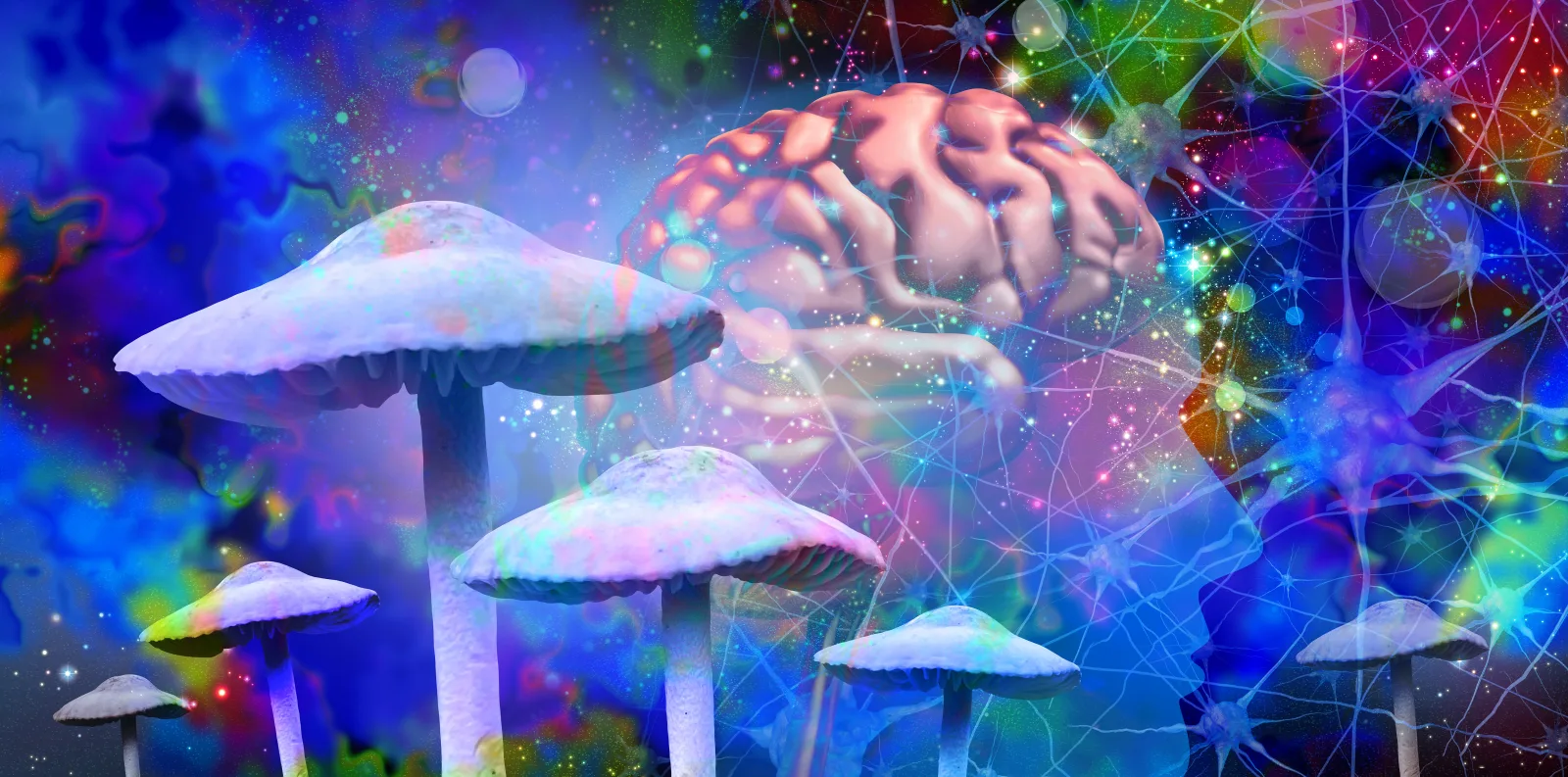
The prevailing cultural narrative around psychedelics often paints them as vehicles for escape. We tend to imagine users retreating into abstract, internal worlds, completely detached from their physical surroundings. However, a recent neuroimaging study published in the journal Nature suggests this view might be fundamentally flawed. According to the reporting, the reality of how psilocybin affects the brain is far more grounded in the present moment than we previously thought.
Researchers utilized advanced imaging techniques to track brain activity in participants under the influence of the compound. The data revealed that psilocybin actually increases the brain's responsiveness to external stimuli. Instead of shutting out the world, the neural networks appear to become more tightly coupled with sensory input. This finding directly contradicts the assumption that these substances induce a state of pure internal disconnection.
This shift in perspective has significant implications for how we understand consciousness and therapy. If the brain is processing the external world more intensely, it could explain why users often report profound clarity or emotional breakthroughs during sessions. It suggests that the drug does not erase reality but rather amplifies our engagement with it. This aligns with anecdotal reports of heightened sensory awareness and emotional resonance.
For the tech and AI community, this biological insight offers a fascinating parallel to machine learning. We often discuss models becoming overfit to training data or losing touch with real-world validation. The psilocybin effect described here resembles a system that prioritizes real-time input over internal priors. It forces the brain to update its model of the world based on fresh, immediate data rather than relying on established patterns.
The potential therapeutic applications are equally intriguing. Conditions like depression or anxiety often involve rumination, where the mind gets stuck in repetitive internal loops. If psilocybin can break these loops by forcing a re-engagement with the present environment, it could offer a powerful mechanism for treatment. This moves the conversation beyond mere symptom relief to active cognitive restructuring through sensory grounding.
We must remain cautious about interpreting these findings as a call for recreational use. The study highlights a specific neurobiological mechanism that requires careful clinical oversight. However, it does provide a scientific basis for why guided psychedelic therapy can be so effective. The combination of chemical alteration and professional support seems to leverage this heightened state of external awareness.
What this means for you is a reminder that technology and biology are converging in unexpected ways. As we build AI systems that need to interact more naturally with human environments, understanding how biological brains handle real-time sensory integration is crucial. You might try using an AI assistant to analyze your daily journal entries for patterns of rumination versus present-moment engagement. Ask the AI to identify moments where your focus shifted from internal worries to external observations, helping you cultivate that same grounded awareness in your own workflow.
Reporting basis: original story
← back to The Wire