the wire · #topnews · 2026-08-28
There Are So Many Conspiracy Theories About Dolly Parton and Vaccines
Cech Tech Reviews
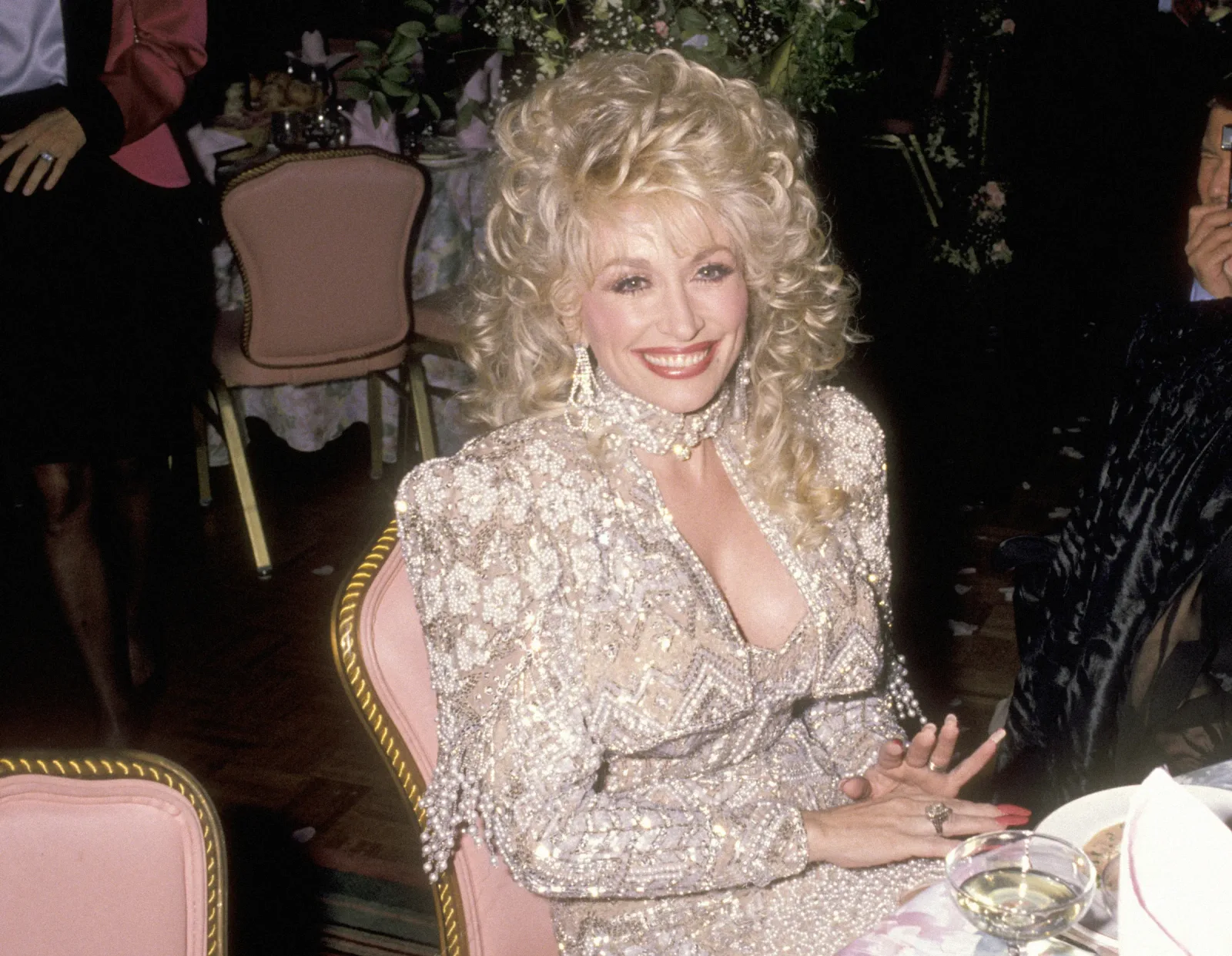
The digital media landscape is currently grappling with a particularly bizarre and dangerous wave of misinformation. According to reports from various outlets, influential right-wing conspiracy theorists and MAGA-aligned pundits are circulating false claims that country music icon Dolly Parton has died. The alleged cause? The very vaccines she has publicly championed and received herself. This is not just a random rumor but a coordinated narrative push by specific segments of the online political sphere.
It is important to state clearly that Dolly Parton is alive and well. She has been active on social media and in public appearances, directly contradicting these death hoaxes. The claim that she died from vaccination is factually incorrect and serves no purpose other than to spread fear and distrust in medical science. This specific instance is part of a broader pattern where high-profile figures are targeted to amplify anti-vaccine sentiment.
The strategy behind these rumors is quite calculated. By attaching a beloved and universally respected figure like Dolly Parton to a false narrative, bad actors hope to create cognitive dissonance. They want to force people to question the credibility of health institutions by associating them with the perceived betrayal of a cultural icon. This tactic relies on emotional manipulation rather than any evidence or logical argument.
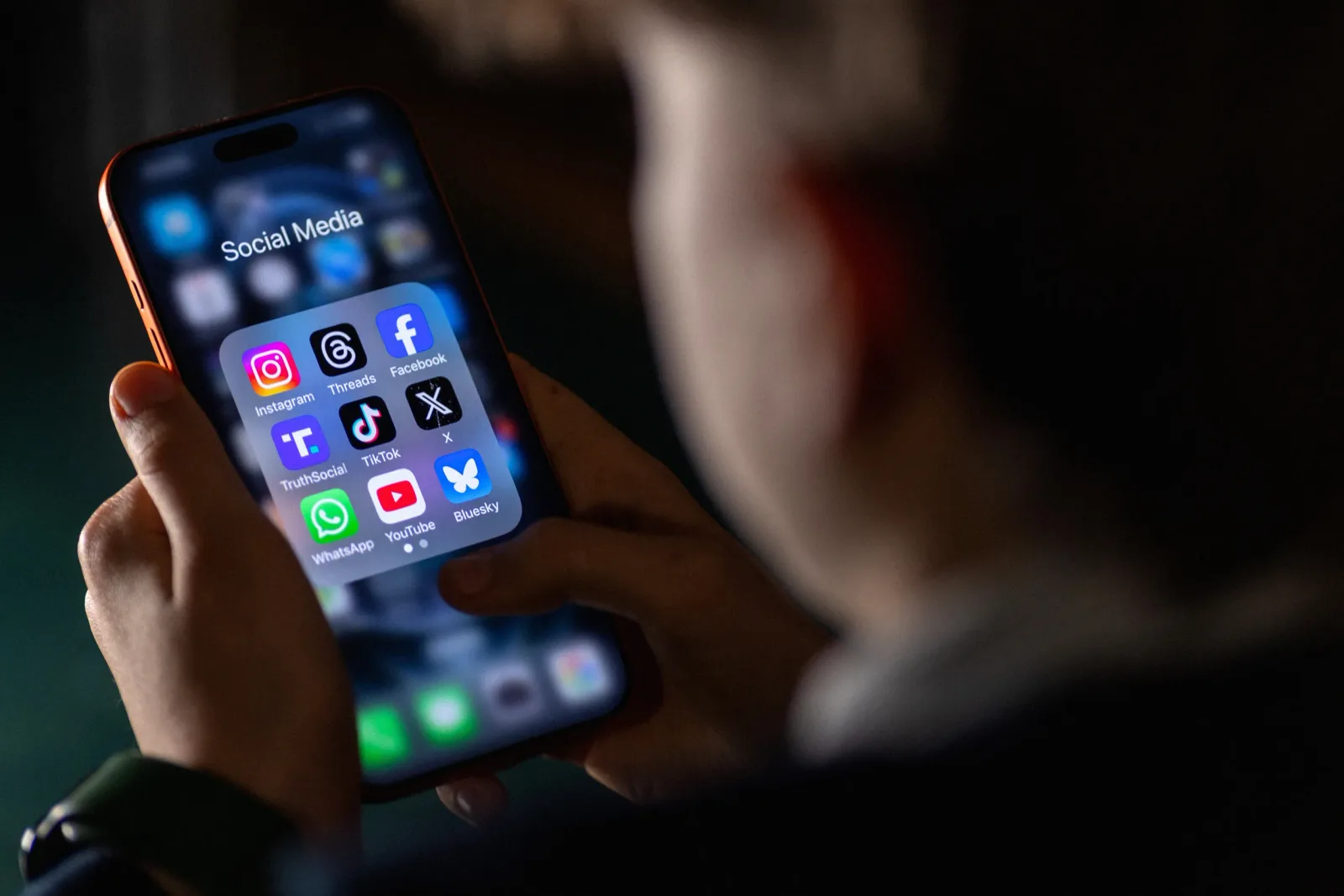
From an AI and technology perspective, this highlights the critical role of algorithmic amplification in spreading falsehoods. Social media platforms often prioritize engagement over accuracy, and sensational claims about celebrity deaths generate significant clicks and shares. AI-driven content recommendation systems may inadvertently boost these conspiracy theories because they detect high user interaction, creating a feedback loop that makes the lie seem more prevalent than it actually is.
We are also seeing the rise of synthetic media and deepfake technologies that make such hoaxes harder to debunk. While this specific rumor may not involve a deepfake, the infrastructure for creating misleading audio or video clips is becoming more accessible. This means that future misinformation campaigns could move beyond text-based rumors to more convincing visual deceptions, making it even harder for the average user to distinguish truth from fiction.
The implications for public health are severe. When trusted community leaders and celebrities are falsely portrayed as victims of medical interventions, it erodes the social trust necessary for effective health campaigns. This is not just about one singer; it is about the integrity of information ecosystems that people rely on for life-saving decisions. The spread of such lies can directly impact vaccination rates and community health outcomes.
What this means for you: As AI tools become more prevalent in content creation and distribution, you must become a critical consumer of information. Do not share news until you have verified it through multiple reputable sources. Use AI assistants to help fact-check claims by asking them to search for recent, verified updates on the subject. For example, try this prompt: "Search for the latest verified news about Dolly Parton's health status and summarize any official statements from her representatives or reputable news outlets."
This approach helps you build a habit of verification before sharing. It also leverages AI as a tool for truth-seeking rather than just content generation. By actively using these tools to combat misinformation, you contribute to a healthier information environment. Remember, the goal is not just to consume news but to curate a reliable stream of information that supports informed decision-making in your professional and personal life.
Reporting basis: original story
← back to The Wire