
the wire · #topnews · 2026-11-12
Review: Apple's M6 iMac is pricey, but it's still a good choice for a clean desk
Cech Tech Reviews
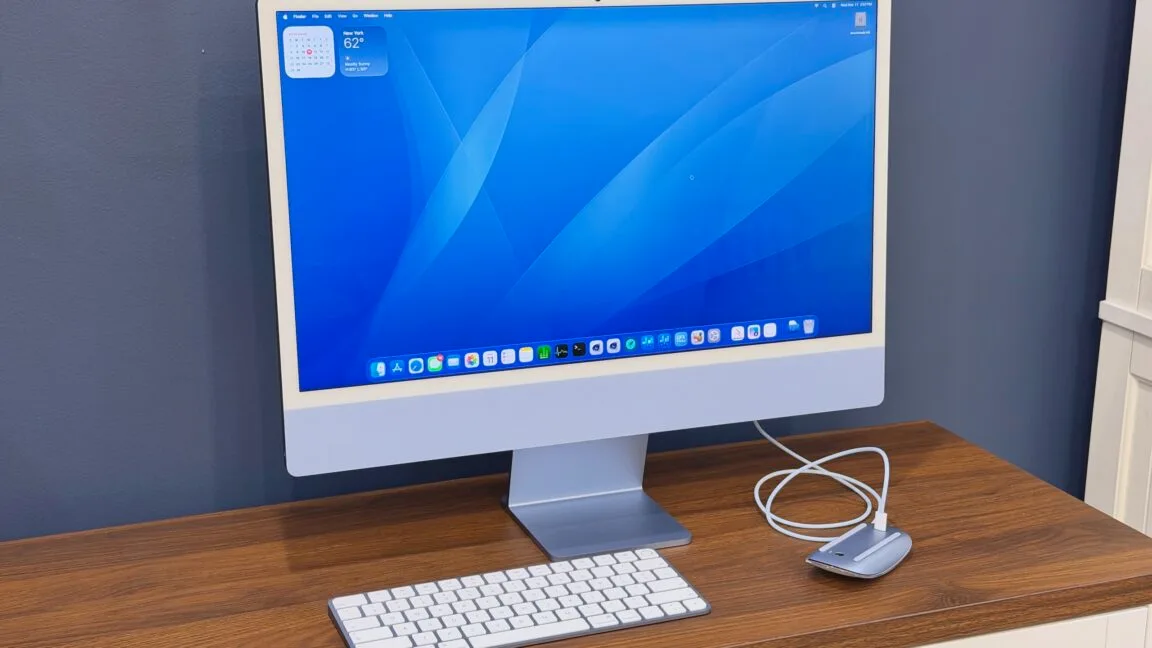
Apple has released the fourth refresh of its Apple Silicon iMac lineup this month, bringing the M6 chip to the table. While the hardware inside has seen incremental updates, the physical design remains stubbornly attached to the past. It is a thin, screen-on-a-stand device that pays direct homage to the original Bondi Blue G3 iMac from the late nineties.
This design choice stands in stark contrast to the rest of Apple’s current Mac ecosystem. Over the last five years, every other Apple Silicon Mac has found a way to move forward. The MacBook Pro has adopted a more Pro-oriented aesthetic with better thermal management. The Mac mini has become significantly smaller and more versatile for headless setups.
We have also seen the rise of the Mac Studio, which has effectively signaled that Apple no longer intends to compete in the high-end Mac Pro space. These devices represent a clear evolution toward modularity, power, and professional utility. The iMac, however, remains an outlier in this strategy.
According to the review, the iMac is still a clean and pretty desktop computer. It is a sight you frequently see in small offices and on television shows that depict cozy, creative workspaces. It serves a specific niche that values aesthetics over raw expandability. For many users, the all-in-one form factor is a feature, not a bug.
However, the review notes that the M6 iMac is pricey. You are paying a premium for that specific look and the convenience of an integrated system. It is no longer Apple’s primary workstation computer, which means it lacks the upgrade paths and raw power of the Studio or Pro lines. It is a lifestyle device as much as a productivity tool.
This stagnation in design is interesting from a tech trend perspective. It suggests Apple is willing to keep a legacy product alive for brand identity and specific user preferences. It does not mean the product is bad, but it does mean it is not leading the innovation curve. It is a comfort choice for those who want a setup that looks good on camera or in a small apartment.
What this means for you: If you are building a home office or a content creation station, the iMac is a great choice if visual clutter is your main enemy. But if you need to upgrade components or need maximum performance per dollar, look elsewhere. Try using an AI design tool to visualize your workspace layout before buying. You can ask an AI assistant to generate a description of a minimalist desk setup using an iMac to see if it fits your workflow needs.
For professionals who need to scale their hardware, the modular nature of the Mac mini or Studio offers better long-term value. The iMac is a closed system. You buy it, and you keep it. This makes the initial price tag more critical to evaluate. It is a purchase for the long haul, not a stepping stone to a better machine.
The broader implication here is that Apple is segmenting its Mac line more clearly. The iMac is for the casual creative or the aesthetic-focused user. The rest of the lineup is for the power user. This split allows Apple to cater to different markets without diluting the brand promise of each device. It is a smart business move, even if it leaves the iMac design behind in time.
Reporting basis: original story
← back to The Wire