the wire · #global · 2026-11-11
Trump Officials Clashed Over Megaspeed, Firm at Heart of Nvidia Affair
Cech Tech Reviews
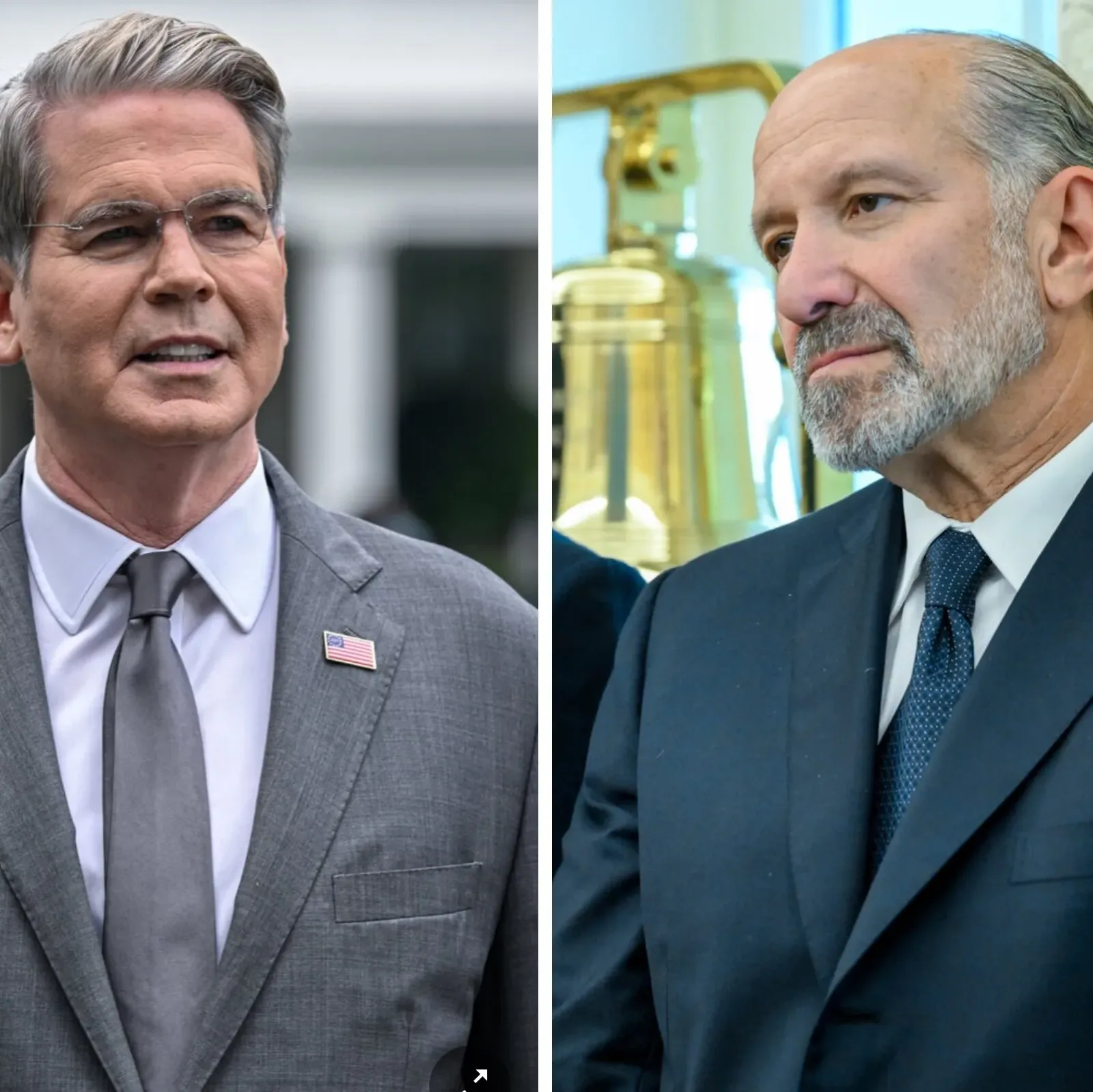
The recent reporting from TechCrunch about internal disagreements within the Trump administration offers a fascinating glimpse into the complex machinery of US tech policy. It is not just about which companies get contracts, but how different cabinet members weigh national security against economic expansion. This specific clash between Treasury Secretary Scott Bessent and Commerce Secretary Howard Lutnick centers on Megaspeed, a firm now at the center of an Nvidia-related controversy.
According to the report, Bessent confronted Lutnick regarding the lack of restrictions on advanced chip sales to Megaspeed. This suggests a significant divergence in how the two departments view the risks associated with high-performance computing hardware. The Treasury department often focuses on financial stability and broader economic implications, while Commerce typically handles trade regulations and export controls. Their disagreement highlights the difficulty of balancing these competing priorities.
The involvement of Nvidia adds another layer of complexity to this narrative. As a dominant player in the AI chip market, Nvidia’s supply chain decisions have global repercussions. The fact that a firm like Megaspeed is involved suggests that the administration is grappling with how to regulate entities that may not be traditional state actors but still pose potential security or economic risks. This is a nuanced area where policy often lags behind technological reality.
This internal friction is likely to influence future export control policies. If Bessent’s concerns prevail, we might see tighter restrictions on who can purchase advanced AI hardware. Conversely, if Lutnick’s perspective dominates, the market could remain more open, potentially accelerating AI development but raising security questions. The outcome of this clash will set a precedent for how the administration handles similar cases in the future.
For professionals in the AI and tech sectors, this news underscores the importance of monitoring regulatory developments closely. The lack of a unified front within the administration can lead to unpredictable policy shifts. Companies involved in the supply chain must be prepared for sudden changes in compliance requirements. Understanding the different priorities of various government departments is crucial for navigating this landscape.
What this means for you: Stay vigilant about export control regulations and supply chain transparency. Use AI tools to monitor news from multiple sources and analyze potential regulatory impacts on your business. Try this prompt with your AI assistant: "Analyze recent news about US export controls on AI chips and summarize potential risks for companies in the semiconductor supply chain."
The broader implication is that the US government is still figuring out how to manage the geopolitical implications of AI technology. The clash between Bessent and Lutnick is a microcosm of this larger struggle. It shows that even within a single administration, there is no consensus on the best approach. This uncertainty creates both challenges and opportunities for businesses operating in this space.
Ultimately, the resolution of this dispute will signal the administration’s true stance on AI hardware exports. Until then, companies must navigate a complex and evolving regulatory environment. The involvement of high-profile figures like Bessent and Lutnick ensures that this issue will remain in the spotlight. It is a reminder that tech policy is not just about technology, but also about politics and economics.
Reporting basis: original story
← back to The Wire