the wire · #ai · 2026-07-09
Say hello to Claude Wrapped
Cech Tech Reviews
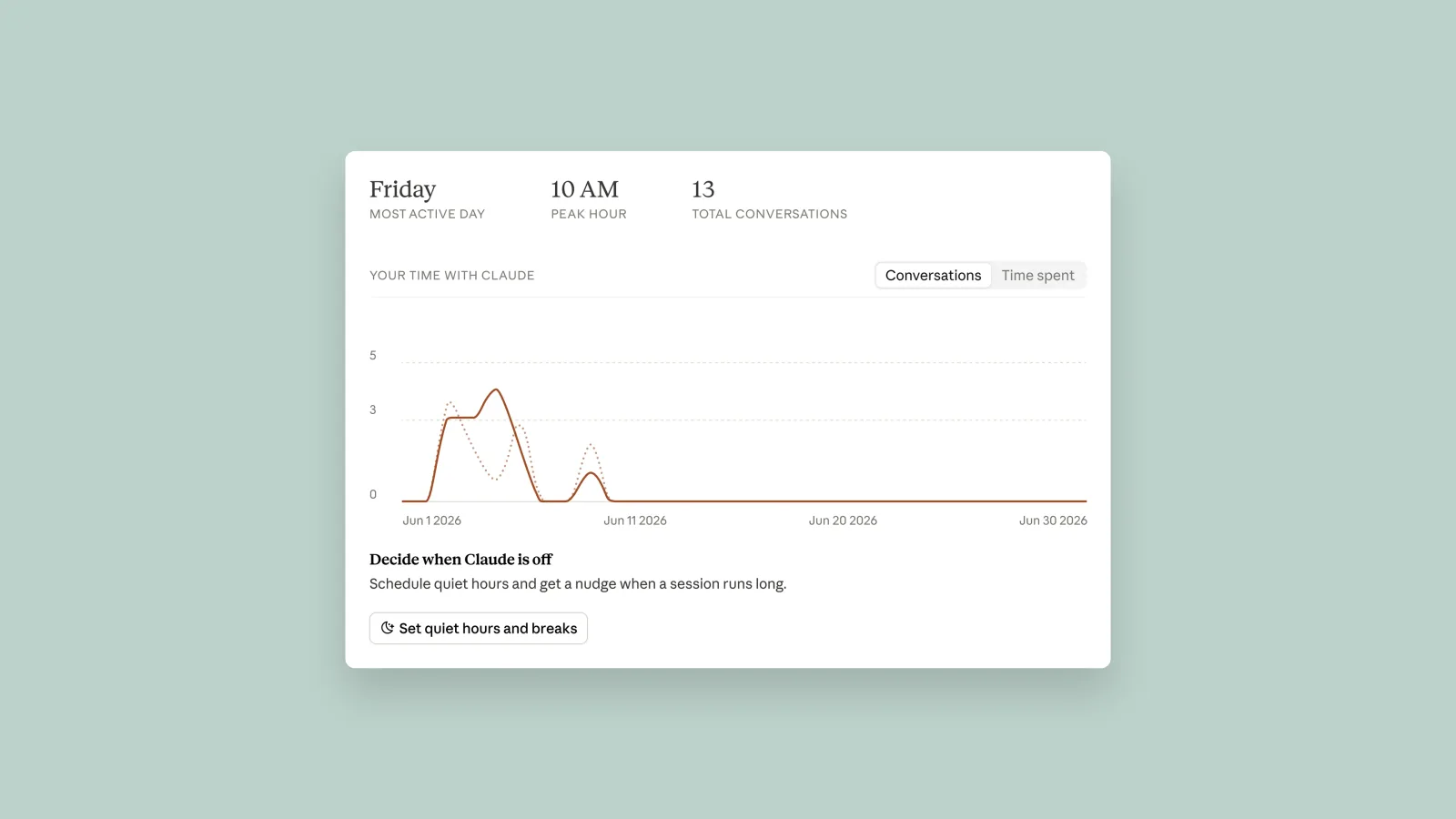
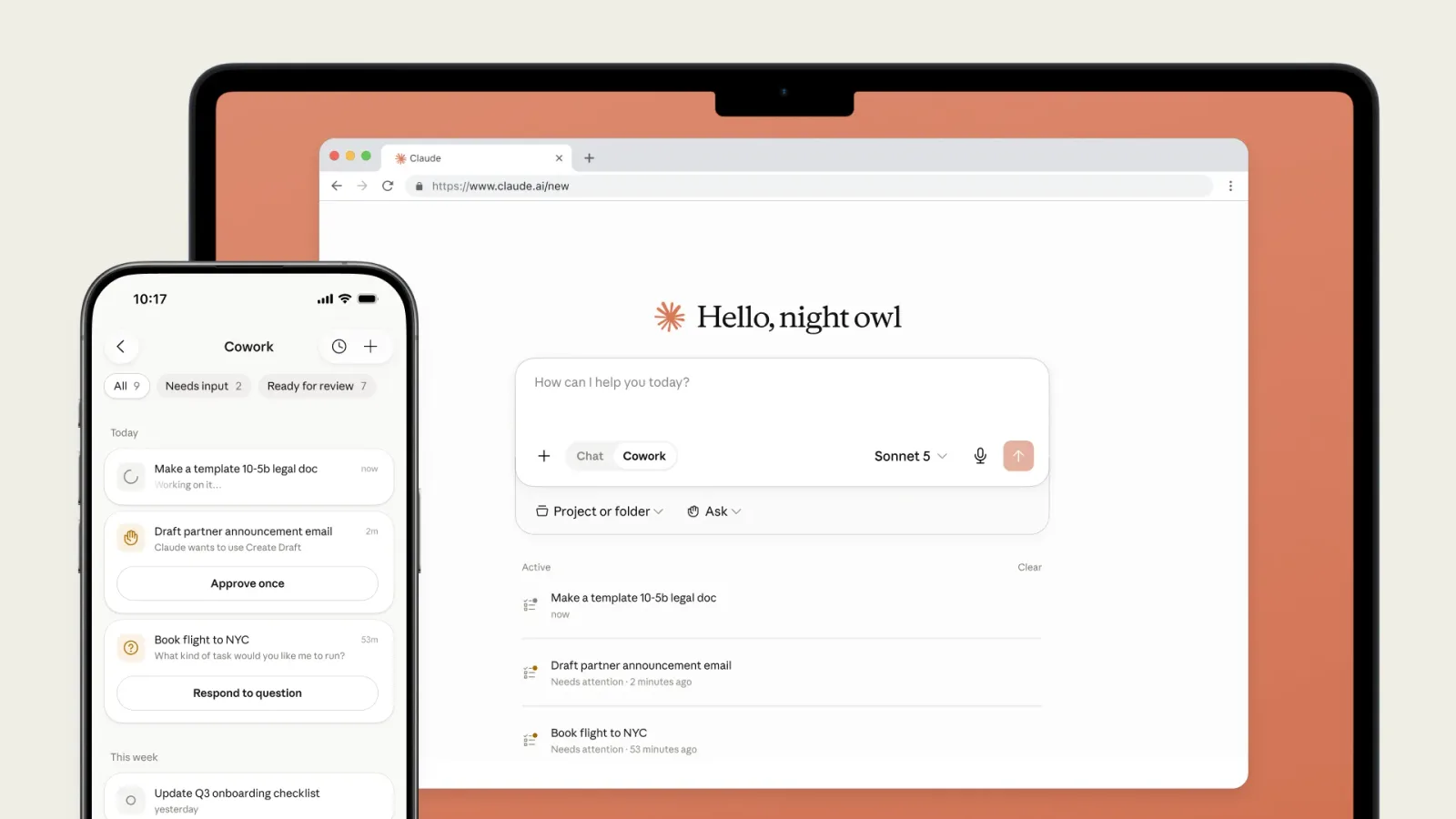
The annual tradition of digital self-reflection has officially entered the artificial intelligence era. According to The Verge, Anthropic has launched a new feature for its Claude chatbot that mirrors the popular Spotify Wrapped phenomenon. This update allows users to review their interaction history across monthly, quarterly, semi-annual, and yearly timeframes. It is a clear signal that AI tools are moving from experimental novelties to central pillars of professional and personal workflows.
Anthropic describes this new dashboard as a tool to help users see their patterns and shape them. The interface provides a high-level summary of the key topics you discuss most frequently. It also categorizes the types of tasks you delegate to the model. This level of granularity turns abstract conversations into concrete data points that can be analyzed and improved upon.
Beyond simple topic tracking, the feature highlights your usage patterns in detail. You can identify your peak usage times and see how your engagement fluctuates throughout the day. This data is crucial for understanding how AI fits into your daily rhythm. It moves the conversation from what you asked to when and why you asked it.
This shift represents a significant evolution in how we perceive our relationship with large language models. For years, the focus has been on prompt engineering and getting the best output. Now, the focus is shifting toward usage hygiene and strategic integration. By visualizing your habits, you can identify inefficiencies or over-reliance on specific types of queries.
The implications for knowledge workers are substantial. If you discover that you are using Claude primarily for repetitive administrative tasks, you might consider automating those workflows instead. Conversely, if your data shows deep engagement with complex strategic planning, you might invest more time in refining those high-value interactions. The tool empowers you to curate your AI experience rather than passively consuming it.
This trend also raises interesting questions about data privacy and user agency. By making usage data visible and actionable, Anthropic is encouraging transparency. Users are invited to audit their own digital habits. This approach builds trust by giving users control over how they understand their tool usage. It aligns with the broader industry push toward more transparent and user-centric AI design.
What this means for you is that you should start treating your AI interactions as a measurable resource. Instead of just chatting, try to understand your patterns. Use this insight to refine your prompts and streamline your daily tasks. Here is a workflow idea to try with your AI assistant. Ask it to analyze your recent project notes and suggest three ways to automate your most frequent repetitive queries. This turns passive usage into active optimization.
Reporting basis: original story
← back to The Wire