the wire · #topnews · 2026-09-28
Solving Math’s Greatest Problems Was an Art Form. Then Came AI
Cech Tech Reviews
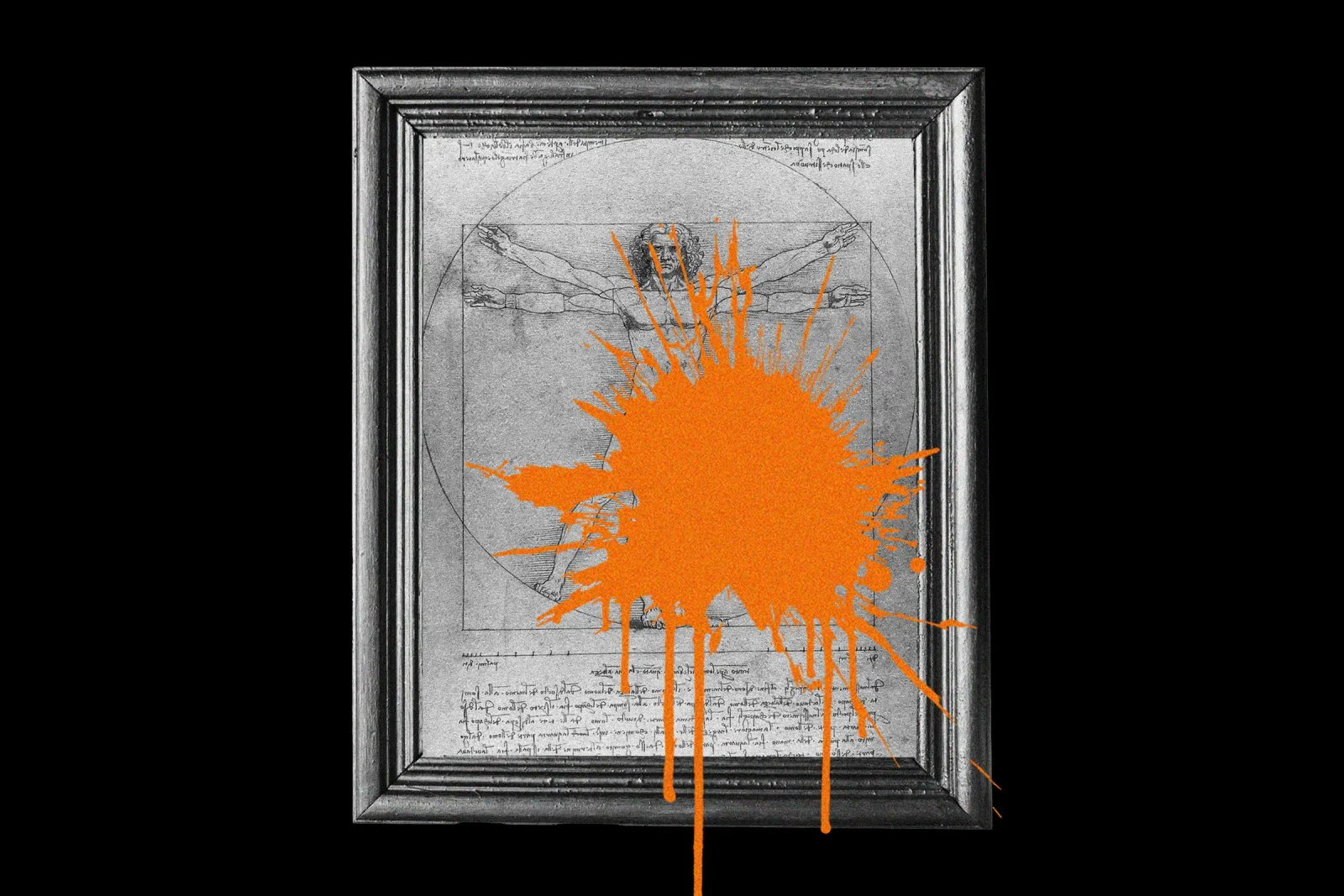
Mathematics has long been celebrated as one of the most deeply human and creative pursuits we have. It is often compared to painting or poetry because it relies on intuition, beauty, and a kind of artistic flair that defies simple algorithmic description. Mathematicians do not just solve problems; they craft elegant proofs that feel like works of art. This creative dimension has been the heart of the discipline for centuries.
Now that creative sanctuary is facing an unprecedented intrusion from artificial intelligence. According to recent reporting, mathematicians are actively trying to protect their field from the brute force nature of AI tools. The concern is not that AI will replace them entirely, but that it might strip the soul out of the process. The elegance of a hand-crafted proof is being overshadowed by the raw computational power of machine learning models.
The tension here is between two very different ways of knowing. On one side, you have the traditional mathematician who spends years chasing a single insight. On the other side, you have AI systems that can generate thousands of potential pathways in seconds. The AI approach is less about finding the most beautiful solution and more about finding any solution that works. This utilitarian view clashes with the aesthetic values that have guided math for generations.
This shift is not just philosophical. It is changing how research is conducted in top institutions. Researchers are now using AI to find counterexamples or to suggest new conjectures that human minds might never have considered. While this accelerates discovery, it also creates a dependency on black-box systems. We are getting answers, but we are losing the narrative of how we got there. The story of the discovery is becoming as important as the discovery itself.
The fear is that we are entering an era of mathematical industrialization. If every problem is solved by a neural network, we risk losing the deep understanding that comes from the struggle of the human mind. The friction of solving a hard problem is where the real learning happens. AI removes that friction, and with it, we might lose the ability to teach the next generation of thinkers how to think creatively.
This is a critical moment for the identity of mathematics. We need to find a way to integrate these powerful tools without letting them dominate the creative process. The goal should be augmentation, not replacement. Mathematicians must remain the curators of meaning, ensuring that the outputs of AI are interpreted through the lens of human intuition and aesthetic judgment.
What this means for you is that you must become the curator of your AI tools. Do not let the machine do the thinking for you. Use AI to handle the tedious parts of your work, but keep the creative core in your hands. Try this workflow: ask an AI assistant to generate three different approaches to a complex problem, then manually evaluate each one for elegance and logical flow. Choose the best path and refine it yourself. This keeps your creative muscles sharp while still benefiting from AI speed.
Reporting basis: original story
← back to The Wire