the wire · #topnews · 2026-09-28
I've Tested Over 100 Home Security Cameras. Here's Which to Buy
Cech Tech Reviews
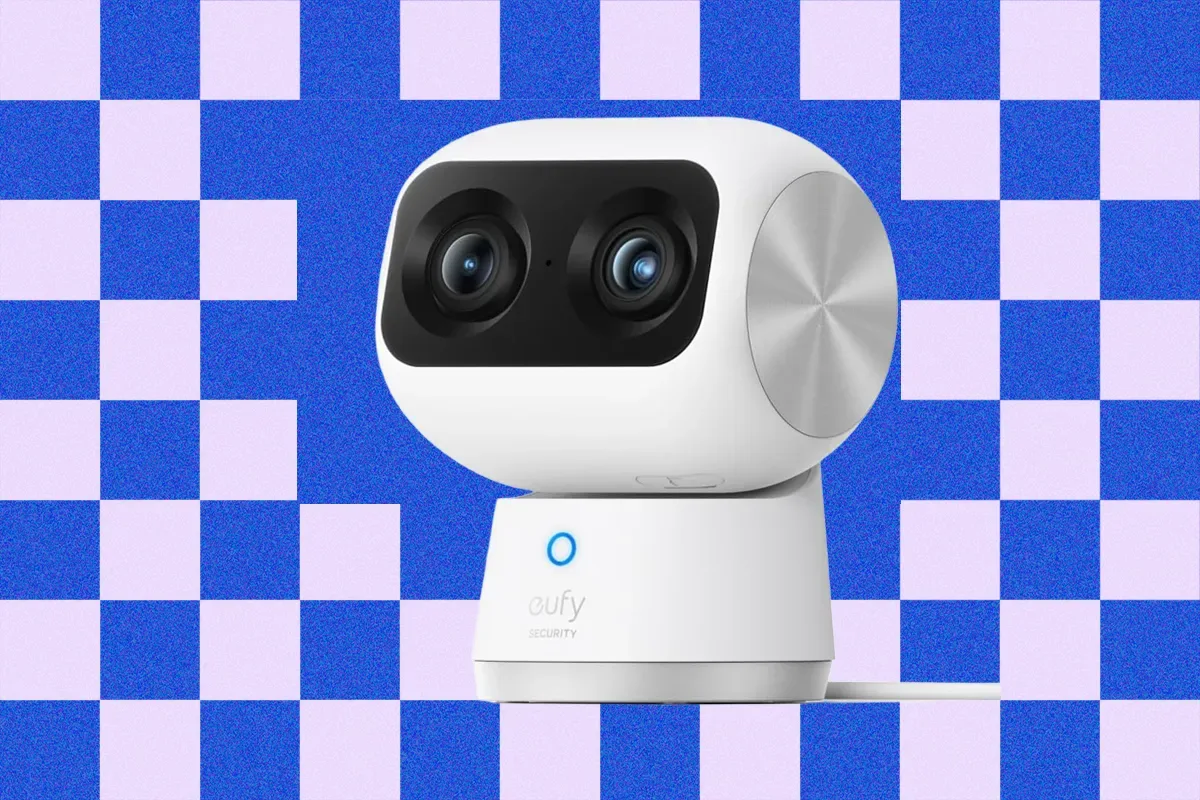
The landscape of home security is undergoing a quiet but significant transformation. According to recent testing by major tech reviewers, the era of buying cameras solely for basic video recording is ending. Instead, the focus has shifted heavily toward intelligent features and data sovereignty. This change reflects a broader consumer desire for smarter, more private monitoring solutions.
One of the most notable developments is the rise of on-device AI processing. Many new models now handle motion detection and object recognition locally rather than sending every frame to the cloud. This approach reduces latency and minimizes the amount of personal data leaving your home. It is a practical response to growing concerns about digital privacy and surveillance.
Subscription fatigue is another major driver behind these hardware changes. Reviewers note that many manufacturers are offering robust local storage options via SD cards or NVRs. This allows users to access high-quality footage without recurring fees. For budget-conscious homeowners, this shift makes high-end security more accessible and sustainable over time.
The distinction between indoor and outdoor models is also becoming more nuanced. Outdoor cameras now feature advanced weather resistance alongside sophisticated analytics. They can distinguish between a passing car, a stray animal, and a human intruder. This accuracy reduces false alarms, which is often the biggest frustration for users of older systems.
Indoor cameras are following a similar path with enhanced privacy controls. Physical shutters and local-only modes are becoming standard features. These designs give users tangible control over when and how their space is monitored. It is a welcome change in an industry that has historically prioritized data collection over user consent.
The integration of these cameras into broader smart home ecosystems is also improving. Seamless compatibility with voice assistants and automation platforms allows for more complex routines. You can trigger lights or locks based on specific AI-detected events. This interoperability turns isolated security devices into a cohesive safety network.
What this means for you: As you evaluate security options, prioritize devices that offer local processing and clear privacy settings. Use an AI assistant to compare specifications of top-rated models based on your specific needs. Try this prompt to streamline your research: "Compare the top 3 home security cameras with local storage and on-device AI. List their key differences in false alarm reduction and subscription requirements." This will help you find a solution that balances intelligence with privacy.
Reporting basis: original story
← back to The Wire