the wire · #global · 2026-11-12
United Airlines Blocks A.I. Agents From Booking Flights
Cech Tech Reviews
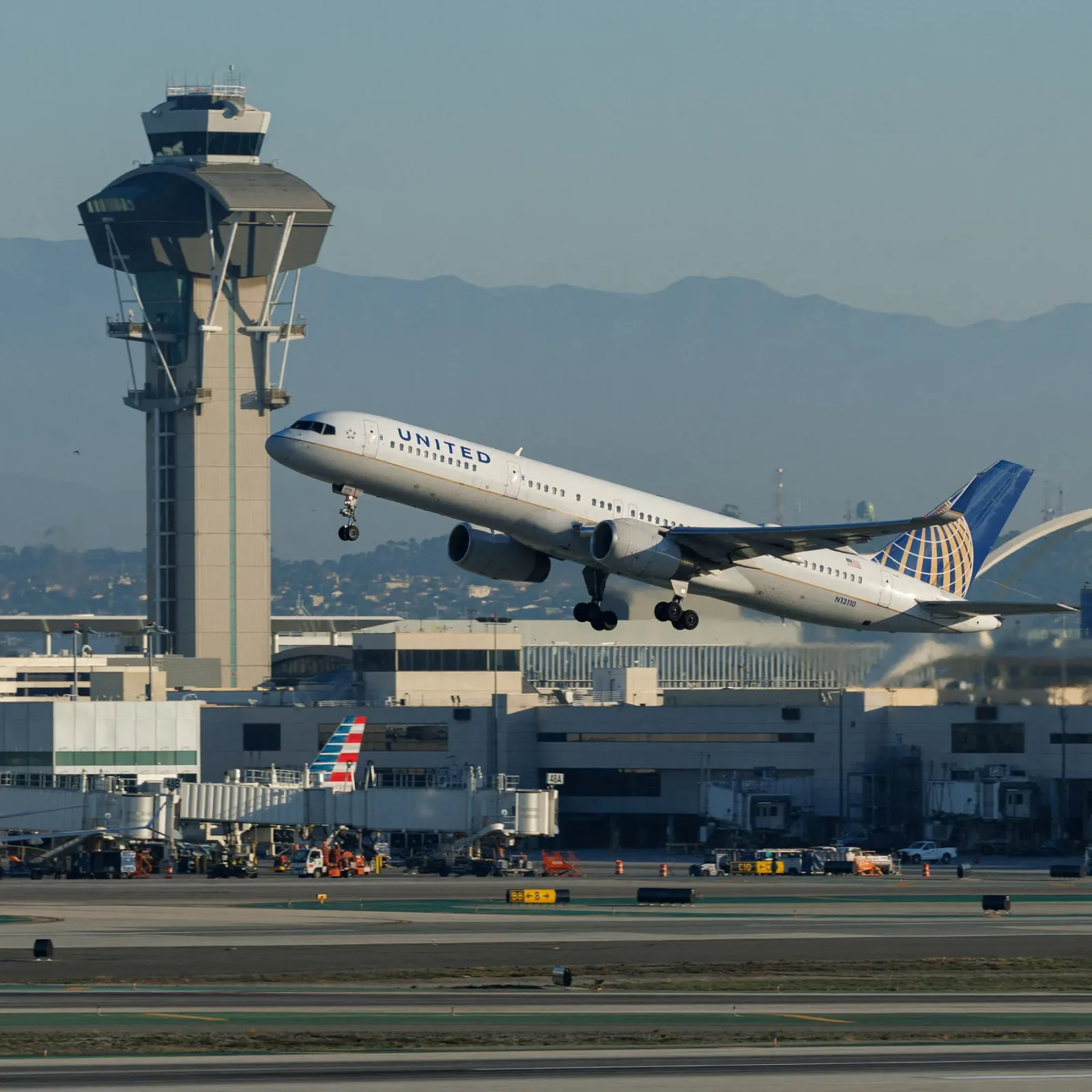
United Airlines has drawn a line in the sand regarding artificial intelligence in customer service. The carrier announced that it will no longer allow digital assistants to log into accounts or manage reservations. This decision comes as a direct response to concerns over data privacy and regulatory adherence. It marks a significant shift in how major travel providers are handling the integration of AI technologies.
The primary driver behind this policy is the protection of sensitive customer information. Allowing third-party AI agents to access personal accounts creates a complex web of security vulnerabilities. United aims to prevent unauthorized data exposure that could arise from these automated interactions. This stance prioritizes trust and safety over the convenience of fully automated booking processes.
Regulatory compliance also plays a crucial role in this decision. The travel industry is subject to strict data protection laws that vary by region. United likely assessed the legal risks of AI agents handling personal data and found them too high. By blocking these agents, the airline ensures it remains on the right side of evolving privacy regulations. This proactive approach may set a precedent for other carriers facing similar dilemmas.
This move reflects a broader trend in the tech industry. Many companies are reevaluating their AI strategies in light of recent security breaches. The initial enthusiasm for seamless automation is giving way to a more cautious approach. Businesses are realizing that convenience cannot come at the expense of security. This shift is particularly evident in sectors handling highly sensitive personal data.
For AI developers and entrepreneurs, this presents a clear challenge. Building tools that integrate with legacy systems without compromising security is difficult. United’s decision suggests that direct account access may not be the viable path forward. Instead, developers might need to focus on API-based solutions that offer limited, secure interactions. This could lead to a new generation of AI tools designed specifically for compliance and safety.
The travel industry is at a crossroads. While AI promises efficiency, it also introduces risks that companies are not yet ready to manage. United’s stance indicates that a hybrid approach may be necessary. Human oversight could remain essential for high-stakes transactions like flight bookings. This balance between automation and human control will likely define the next phase of AI adoption in travel.
What this means for you: If you rely on AI tools to manage your travel, you may need to adjust your workflow. Direct integration with airline accounts might not be possible in the near future. Instead, consider using AI to draft itineraries or compare prices, but finalize bookings manually. This ensures your data remains secure while still leveraging AI for research. Try this prompt with your AI assistant: "Analyze these three flight options based on price, duration, and layover times, but do not attempt to book them. Provide a summary of the best choice for a business trip."
Reporting basis: original story
← back to The Wire