the wire · #gadgets · 2026-08-28
Afterglow brings classic After Dark screen savers to modern Macs
Cech Tech Reviews
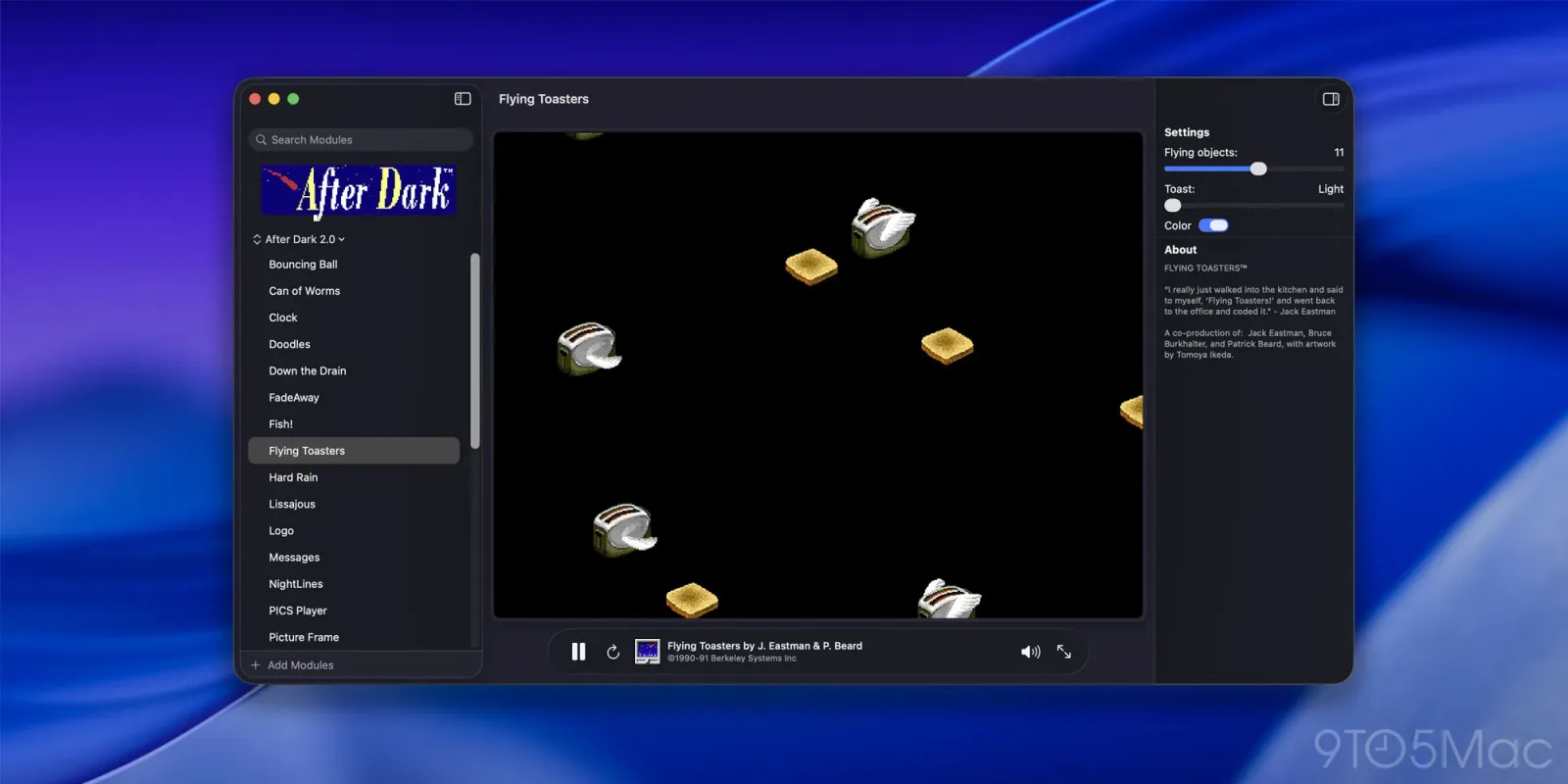
The digital landscape has shifted dramatically over the past three decades. We have moved from the chaotic, colorful, and often bizarre visual experiments of the early nineties to the sleek, uniform, and highly functional interfaces we rely on today. Yet, there remains a persistent undercurrent of nostalgia for the era when screen savers were not just about preventing burn-in but were genuine pieces of interactive art. According to Daring Fireball, Jeff Halter has released Afterglow, a project that allows users to run the original 68k After Dark screen saver modules on modern Macs. This is not merely a emulation wrapper but a significant technical achievement in preserving software history.
After Dark was more than a screensaver suite. It was a cultural phenomenon that defined the visual identity of the Macintosh during its golden age. The iconic spinning cube, the flying toasters, and the hypnotic grids were not just technical demonstrations. They were expressions of a time when software developers had the freedom to experiment with graphics in ways that modern operating systems rarely permit. Halter’s work brings these specific artifacts back to life, allowing contemporary users to experience the exact same visual language that captivated professionals and hobbyists alike.
The technical challenge here is substantial. Modern macOS architectures are fundamentally different from the 68k processors that originally ran these applications. Bridging that gap requires careful emulation and adaptation. Halter has managed to make these legacy modules run smoothly on current hardware. This suggests a deep understanding of both the original codebase and the modern system requirements. It is a testament to the robustness of the original software design and the skill of the developer maintaining it.
From an AI and tech perspective, this project offers an interesting counterpoint to the current trend of AI-generated visuals. Today, we use neural networks to create dynamic, ever-changing imagery. In the nineties, we used clever algorithms and fixed assets to create similar effects. The Afterglow project reminds us that creativity in software is not solely dependent on computational power. It is about the ideas and the execution. These old screen savers were often the result of tight optimization and creative problem solving.
This revival also speaks to the growing interest in digital preservation. As software becomes increasingly cloud-based and ephemeral, the ability to run local, standalone applications is becoming a rare luxury. Afterglow ensures that these specific pieces of software history remain accessible. It allows a new generation of developers and designers to study the techniques used in the past. They can see how constraints led to innovation and how simple graphics could evoke complex emotions.
For professionals in the tech industry, this is a reminder of the importance of user experience beyond pure functionality. The aesthetic choices of the past were deliberate and impactful. They engaged users in a way that modern, often sterile interfaces do not. By bringing After Dark back, Halter is not just preserving code. He is preserving a specific type of user engagement that has been largely lost in the transition to mobile and cloud computing.
What this means for you is that you can explore the roots of modern digital aesthetics without needing vintage hardware. You can use this tool to add a touch of retro charm to your workspace or to understand the evolution of visual design. If you are a developer interested in retro computing or emulation, try using an AI assistant to analyze the code structure of one of the classic After Dark modules. Ask the AI to explain how the original algorithms achieved their visual effects with limited resources. This can provide valuable insights into efficient coding practices that are still relevant today.
Reporting basis: original story
← back to The Wire