the wire · #ai · 2026-10-02
Apple will limit Mac disk access as AI agents ‘substantially’ increase risk
Cech Tech Reviews
Apple is taking a significant step to protect user privacy on macOS by introducing stricter controls for full disk access. According to reporting by The Verge, the company is rolling out new safeguards designed to ensure that granting an app such extraordinary levels of access requires very explicit user action. This is not just a minor tweak to the settings menu but a fundamental shift in how the operating system handles permission requests.
The timing of this update is particularly notable given the recent surge in AI capabilities. As artificial intelligence agents become more integrated into our daily workflows, the potential for these tools to inadvertently or maliciously access sensitive data has grown exponentially. Apple recognizes that the traditional permission models are no longer sufficient for an era where software can autonomously interact with vast amounts of personal information.
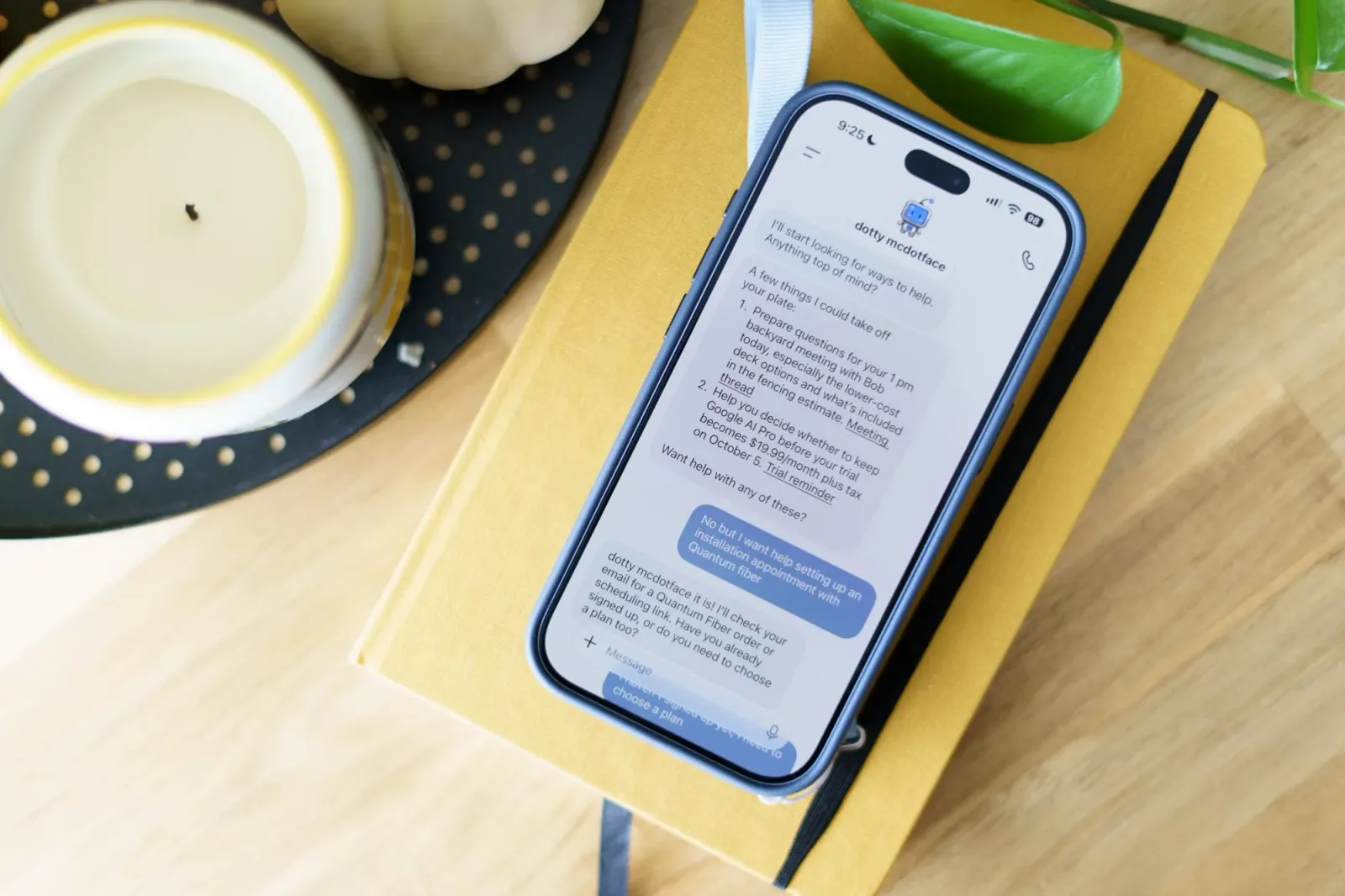
This decision comes in the wake of a concerning incident involving Meta's Muse AI. As reported by TechCrunch, Jason Aten from Inc discovered that the AI chatbot appeared to know the contents of his messages despite not being granted explicit permission to access them on his iPhone or Mac. While Meta spokesperson Andy Stone pushed back, stating that access to Messages is entirely opt-in, the incident highlighted a critical gap in user understanding and system transparency.
The core issue here is the distinction between what an app can technically do and what a user actually intends to allow. AI agents are increasingly capable of inferring context and accessing data in ways that go beyond simple file reading. They can analyze patterns, cross-reference information, and generate insights from large datasets. Without strict barriers, these capabilities can easily cross the line into privacy violations, even if unintentional.
Apple's new approach aims to close this gap by forcing a deliberate, conscious decision from the user. Instead of relying on broad permissions that might be granted during initial setup, the system will now require specific, explicit actions to grant full disk access. This ensures that users who genuinely wish to grant an app this level of trust do so with full awareness of the implications. It shifts the burden of proof from the user to the application.
For developers and AI startups, this change presents both a challenge and an opportunity. It means that building AI tools that require deep system integration will now require more careful design and clearer communication with users. However, it also builds trust. Users are more likely to adopt powerful AI agents if they feel confident that their data is protected by robust, transparent security measures.
What this means for you is that you should pay closer attention to permission prompts on your Mac. If an AI tool asks for full disk access, take a moment to understand why it needs it. To streamline this process, try using an AI assistant to draft a clear, concise request for permissions when you are building or configuring your own tools. You can use a prompt like this: "Draft a polite and transparent permission request for a Mac application that needs full disk access to analyze user documents for AI insights, emphasizing user control and data privacy."
This shift marks a pivotal moment in the evolution of personal computing. As AI becomes more autonomous, the line between helpful assistant and invasive spy will blur. Apple's proactive stance sets a precedent for the industry, pushing all tech companies to prioritize user consent and transparency. The future of AI on personal devices depends on our ability to balance power with privacy.
Reporting basis: original story
← back to The Wire