the wire · #ai · 2026-08-12
Why Stream ring-maker Sandbar says the future of AI wearables is voice
Cech Tech Reviews
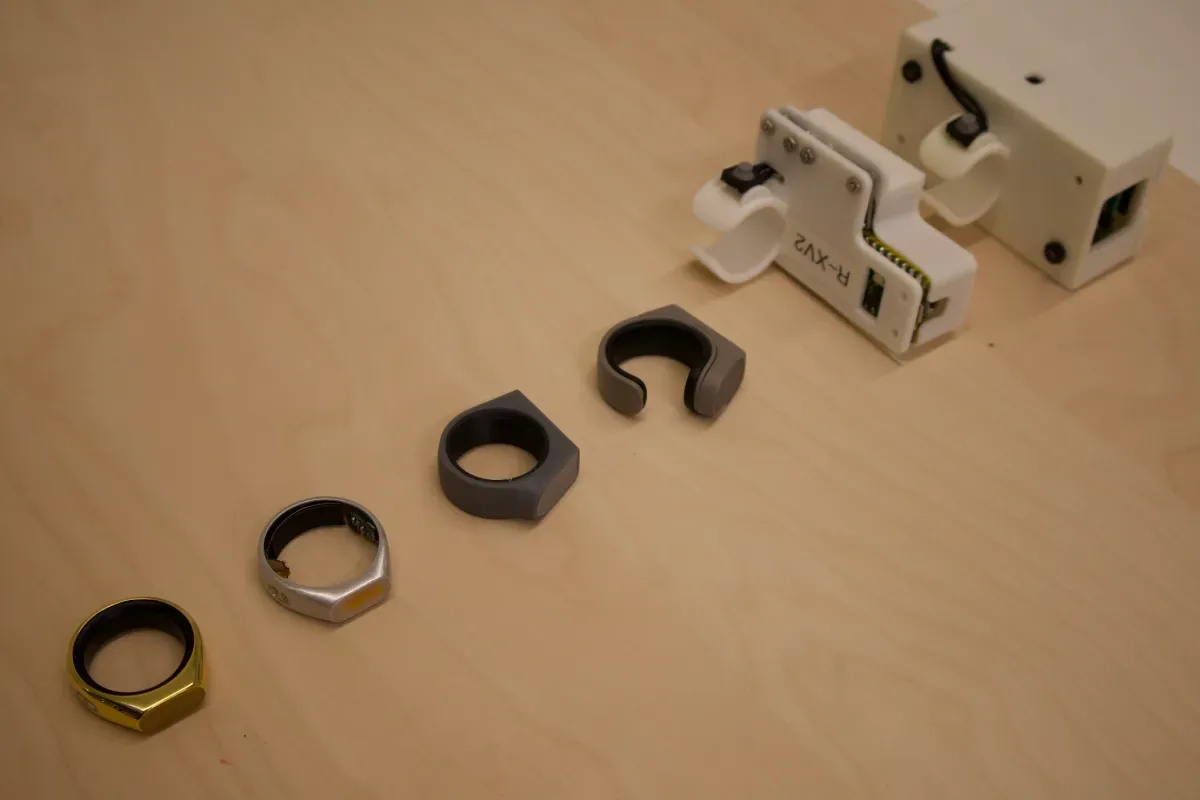
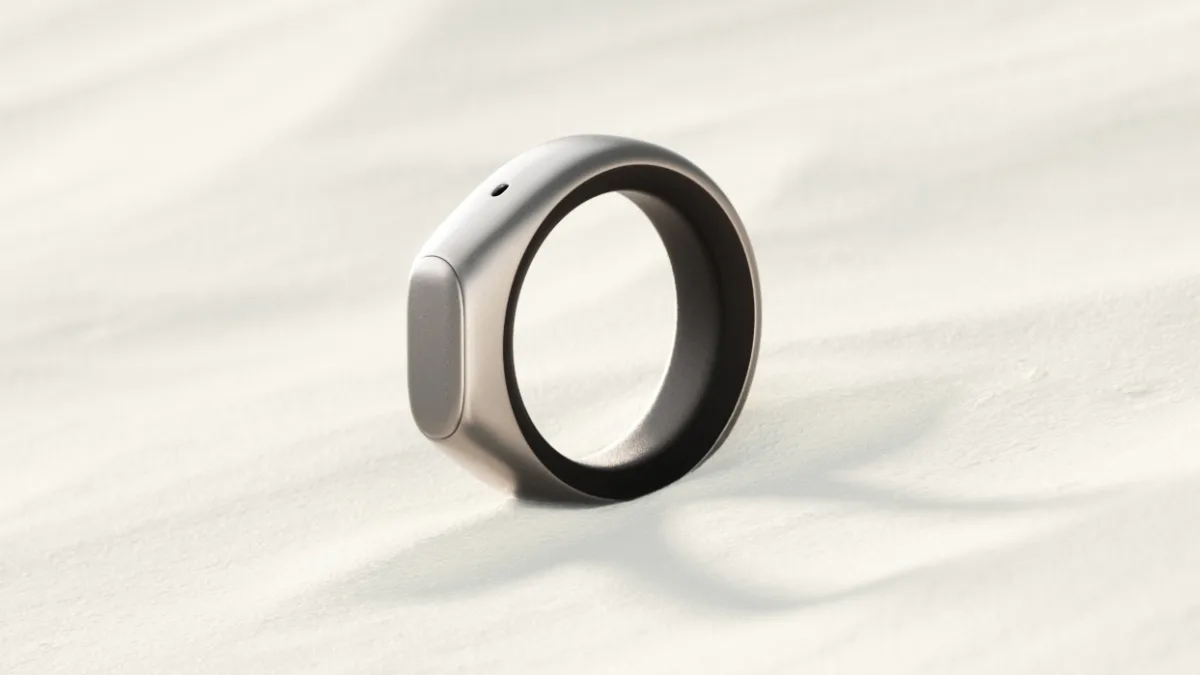
The landscape of AI hardware is undergoing a subtle but significant pivot. For the past couple of years, the market has been dominated by credit-card-sized devices and pendants designed primarily for one thing: recording meetings. These tools promised to transcribe conversations and generate action items, effectively acting as digital secretaries for professionals. However, a new wave of startups is challenging this utilitarian approach by focusing on something far more personal and immediate. According to recent reporting, companies like Sandbar, makers of the Stream ring, are betting that the future of AI wearables lies in capturing stray thoughts and ideas through voice, not just structured meetings.
This shift represents a move from reactive documentation to proactive capture. The current generation of AI notetakers serves a specific, scheduled purpose. You put them on, you attend a meeting, and you get a summary. It is a transactional relationship between the user and the device. Sandbar and its competitors are proposing a different model. They want their devices to be always-on companions that catch the fleeting insights that happen during a walk, a shower, or a casual conversation. This requires a form factor that is less intrusive and more naturally integrated into the body than a lapel pin or a clip-on recorder.
Rings, in particular, offer a unique advantage for this kind of ambient intelligence. They are lightweight, unobtrusive, and sit close to the body without drawing attention. Unlike earbuds, which can be uncomfortable for long periods, or pins, which can be lost or forgotten, a ring becomes part of your physical presence. This allows for a more natural interaction with voice AI. You do not have to consciously decide to activate a recording device. The interaction becomes as natural as speaking to a friend, which lowers the barrier to capturing those half-formed ideas that often disappear before they can be written down.
The implications for content creation and personal productivity are profound. Most people have more ideas than they have time to execute them. The friction of stopping what you are doing to open a notes app or find a pen is often enough to kill the momentum of a creative thought. Voice-activated wearables that can instantly transcribe and perhaps even categorize these thoughts remove that friction. This could lead to a surge in micro-content creation and a more fluid connection between inspiration and execution. It changes the dynamic from managing information to curating it in real time.
From a technical perspective, this trend also pushes the boundaries of on-device processing and battery efficiency. Capturing voice continuously or frequently requires significant power and computational resources. If these devices are to be viable for daily use, they must optimize for low-power voice activation and efficient local processing. This could accelerate the development of specialized AI chips designed specifically for wearable form factors. The competition is not just about who has the best transcription accuracy, but who can deliver that accuracy in a package that feels invisible to the user.
This evolution suggests that the next frontier of AI is not about replacing human tasks, but about augmenting human memory and creativity. The goal is to create a seamless extension of our cognitive processes. By capturing the ephemeral nature of human thought, these devices aim to preserve the spark of innovation that often gets lost in the noise of daily life. It is a move toward a more intuitive and less interruptive relationship with technology. We are moving away from screens and keyboards and toward a world where our tools listen and respond without demanding our full attention.
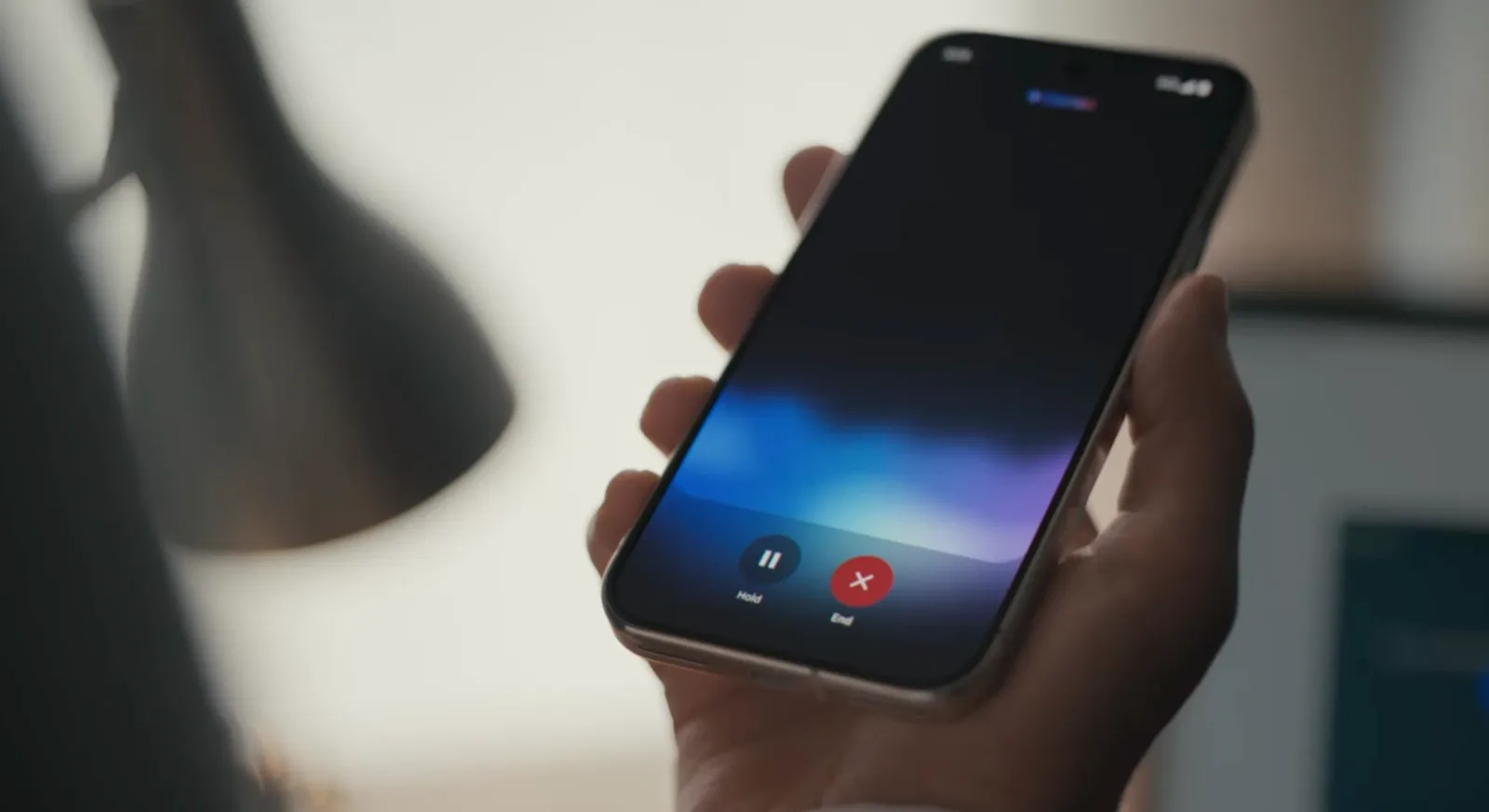
What this means for you is that the way you interact with AI will become more conversational and less task-oriented. Instead of opening an app to summarize a document, you might simply speak your thoughts into a ring or pendant, and the AI will organize, tag, and store them for later review. This reduces the cognitive load of information management and allows you to focus on the creative act itself. To test this workflow, try using a voice-to-text AI assistant during your next walk or commute. Speak your raw, unfiltered thoughts about a project or idea, and then ask the AI to structure them into bullet points or a draft outline. This mimics the ambient capture model and can help you build a habit of capturing ideas before they fade away.
Reporting basis: original story
← back to The Wire