the wire · #ai · 2026-08-12
Why Sandbar thinks it’s voice-enabled ring can avoid the AI hardware graveyard
Cech Tech Reviews
The landscape of AI hardware has shifted dramatically in recent years. We have seen a flood of credit-card-sized devices, pendants, and even transcribing earbuds all promising to revolutionize how we handle meeting notes. These tools have largely succeeded in turning audio into structured summaries and action items. However, the market is now saturated with devices that only work when you are already in a scheduled conversation.
Sandbar is entering this crowded arena with a different philosophy. According to their approach, the real value lies not in capturing the meeting itself, but in the stray thoughts that occur just before or after. They believe people want to capture those fleeting ideas that vanish the moment they try to write them down. This represents a pivot from passive recording to active, intent-driven capture.
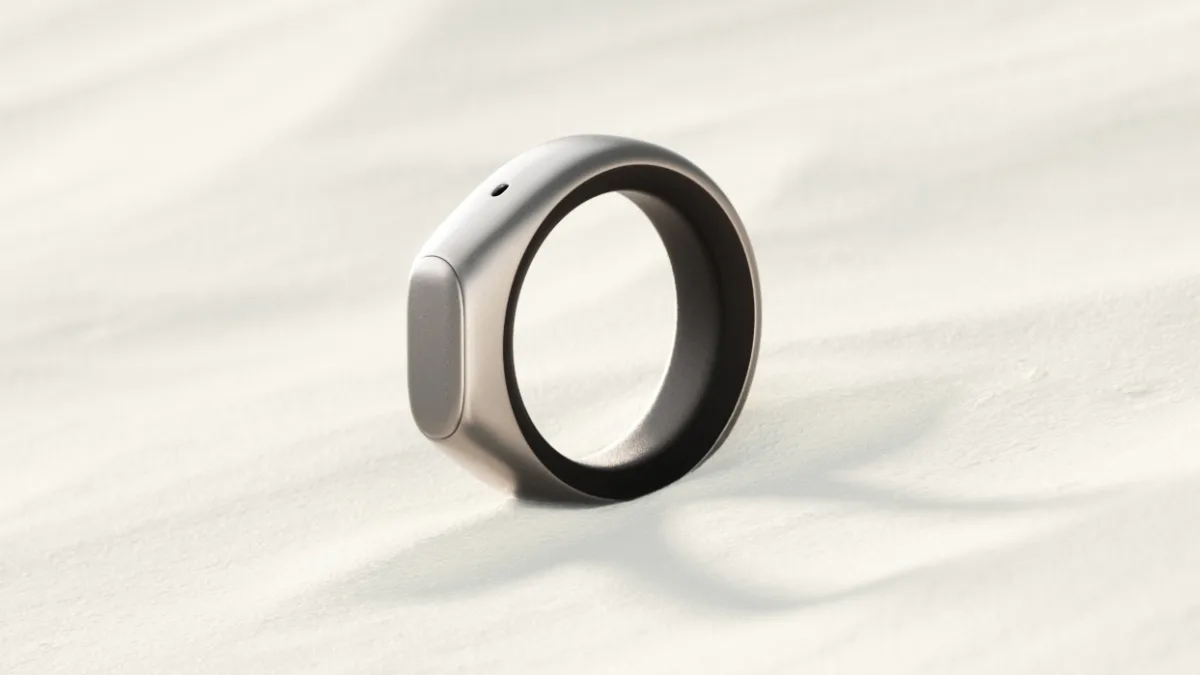
This distinction is crucial for avoiding the so-called AI hardware graveyard. Many wearables fail because they solve problems users did not have or create friction in daily life. By focusing on a ring form factor, Sandbar aims to be less intrusive than a pendant or a dedicated recorder. The goal is to make the act of capturing an idea as natural as snapping your fingers.
The broader trend here is the move toward ambient computing that respects user attention. Instead of forcing users to manage another device, these tools aim to integrate seamlessly into existing workflows. Sandbar’s strategy suggests that the next wave of successful AI hardware will be defined by context awareness rather than raw recording capability.
For entrepreneurs and professionals, this signals a shift in how we should evaluate new tech tools. The question is no longer just about transcription accuracy. It is about whether the device can help you retain creative momentum without breaking your flow. A ring that captures voice notes instantly offers a different utility proposition than a device that only works during scheduled calls.
What this means for you is that you should look for AI tools that reduce cognitive load rather than add to it. If you find yourself losing ideas because you are busy typing or driving, a hands-free capture method might be worth testing. Try this prompt with your AI assistant to streamline your capture workflow: "Act as my creative scribe. I will send you voice-to-text fragments throughout the day. Organize them into three categories: Immediate Actions, Long-term Ideas, and Questions for Later. Keep the tone concise and bullet-pointed."
The success of Sandbar will likely depend on whether users trust a ring with their private thoughts. Privacy concerns have plagued many wearable devices. If Sandbar can establish clear data boundaries and local processing, it might carve out a sustainable niche. The hardware graveyard is full of devices that failed to earn that trust.
Ultimately, the race is not just about who can record better. It is about who can help us think better. Sandbar’s bet is that the friction of opening an app is too high for fleeting ideas. By removing that barrier, they hope to become an extension of your memory rather than just another gadget on your desk.
Reporting basis: original story
← back to The Wire