the wire · #topnews · 2026-08-14
5 Weird Tricks for Having a Brain
Cech Tech Reviews
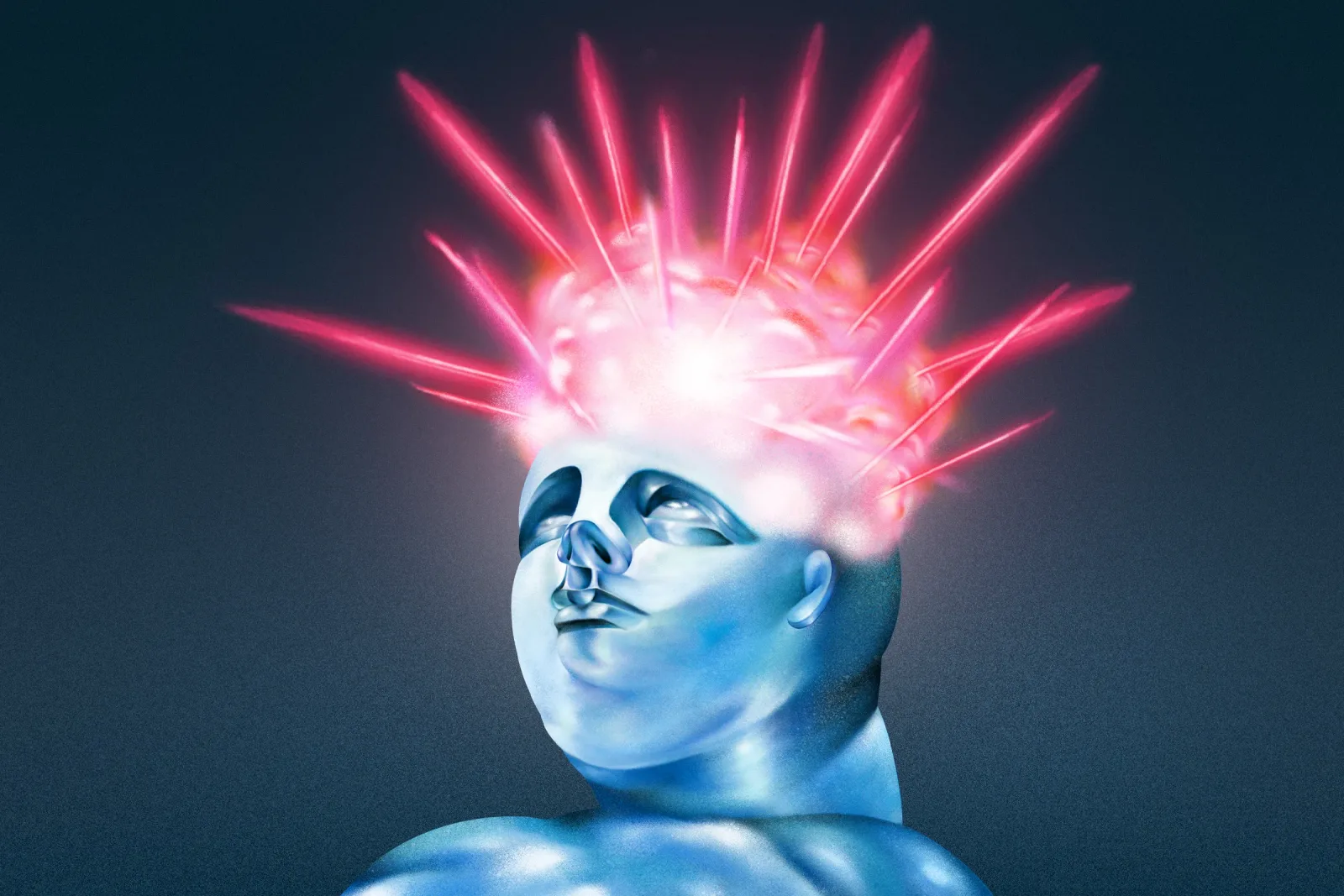
The latest exploration into cognitive science is challenging our fundamental understanding of how we process information. According to recent reporting, we are essentially inference engines that make flawed bets on the future. This perspective bridges the gap between biological brains and artificial intelligence in a way that feels both unsettling and liberating.
The article draws fascinating comparisons between the distributed intelligence of octopuses and the emerging field of brain organoids. These biological systems do not rely on a single central processor. Instead, they utilize decentralized networks to solve complex problems. This mirrors how modern large language models operate through distributed attention mechanisms rather than rigid rule sets.
We often view our brains as deterministic computers that output correct answers. The new framework suggests we are actually prediction machines. We constantly generate hypotheses about what will happen next and update them based on sensory input. This probabilistic approach explains why we are so prone to cognitive biases and errors in judgment.
This insight has profound implications for how we design and interact with AI systems. If human cognition is based on flawed inference, then AI systems that mimic this process will also inherit similar vulnerabilities. Understanding this shared foundation allows us to build better safeguards and more transparent models.
The comparison to octopus intelligence highlights the value of distributed processing. Octopuses can think with their arms, allowing for parallel problem solving. Similarly, advanced AI architectures are moving toward modular designs that handle different tasks simultaneously. This shift away from monolithic structures is crucial for scalability and robustness.
Brain organoids represent another frontier in this biological computing revolution. These lab-grown neural tissues offer insights into how neural networks develop and function. They provide a unique testing ground for understanding the origins of consciousness and intelligence. This research could accelerate the development of more biologically inspired AI algorithms.
What this means for you is that you should approach your own decision-making with humility. Recognize that your brain is making probabilistic guesses, not absolute truths. To leverage this, try using an AI assistant to challenge your assumptions by asking it to generate counter-arguments for your current project strategy. This simple workflow can help mitigate the inherent biases of your own inference engine.
Reporting basis: original story
← back to The Wire