the wire · #topnews · 2026-08-13
CBP Workers Allegedly Used Government Databases to Spy on Exes, Crushes, and Colleagues
Cech Tech Reviews
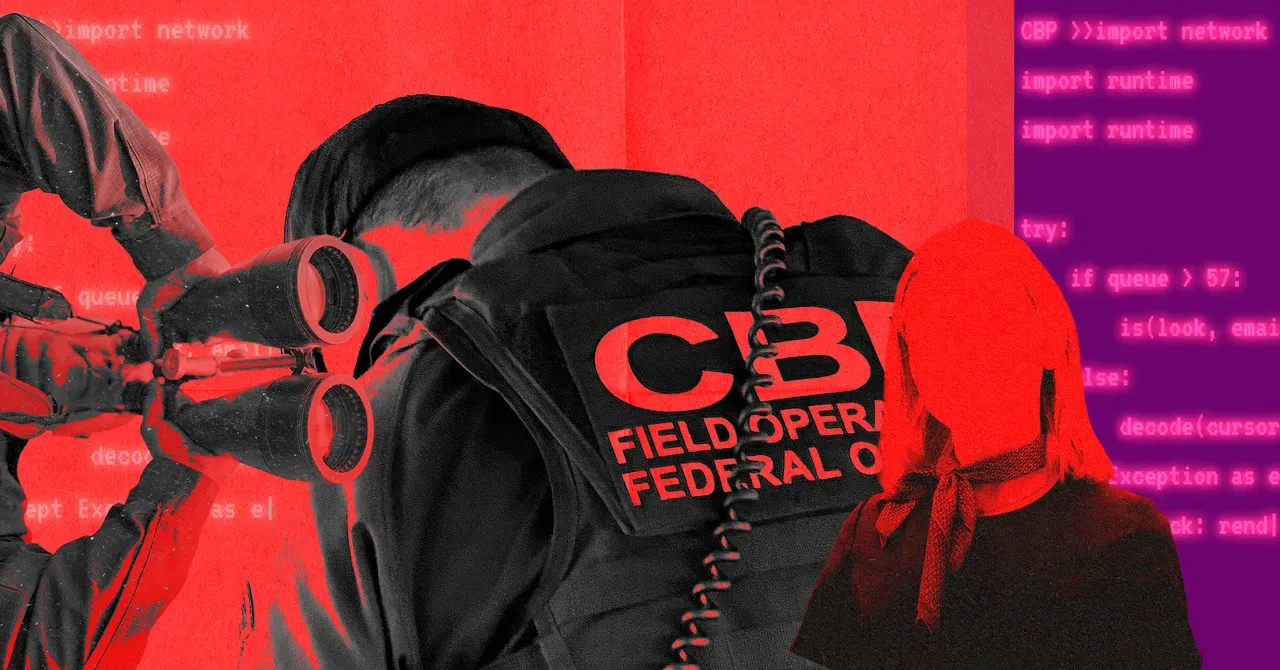
The recent report from WIRED sheds light on a disturbing pattern of misconduct within U.S. Customs and Border Protection. Records obtained by the outlet detail hundreds of allegations where agents used internal government databases to track romantic interests and monitor colleagues. This is not just a privacy scandal but a stark warning about the dangers of unchecked access to powerful surveillance tools.
The scope of the alleged misuse is significant. Agents reportedly looked up information on exes, crushes, and coworkers without any legitimate law enforcement justification. This behavior transforms sensitive national security infrastructure into a personal stalking tool. It reveals how easily institutional power can be weaponized for petty personal grievances when oversight is weak.
This incident serves as a critical case study for the broader tech industry. As we integrate more sophisticated AI and data aggregation tools into daily operations, the risk of internal abuse grows exponentially. The same technologies that help agents track threats can be twisted to track people for personal reasons. This duality requires robust ethical guardrails and technical safeguards that go beyond simple access logs.
For AI developers and data architects, the lesson is clear. Access controls must be dynamic and context-aware. Static permissions are insufficient when human intent is unpredictable. We need systems that flag anomalous queries in real time. If an agent accesses a database outside their usual operational parameters, the system should trigger an immediate review. This is not just about security; it is about maintaining public trust in digital infrastructure.
The cultural aspect of this problem cannot be ignored. A culture of impunity allows such behavior to persist. Organizations must foster an environment where misuse is not just detected but actively discouraged through transparency and accountability. Training alone is not enough. We need technical systems that make misuse difficult or impossible to execute without detection.
This story resonates deeply with anyone working in AI and data management. It reminds us that technology is only as safe as the governance structures surrounding it. As we deploy more powerful models and data tools, we must prioritize ethical design. This means building in friction for suspicious activities and ensuring that every query is auditable and justifiable.
What this means for you: If you manage data access or AI tools in your organization, audit your permission structures today. Look for patterns of bulk access or queries outside normal business hours. Implement automated alerts for unusual data retrieval. Try this prompt with your AI assistant to draft a policy: "Create a checklist for auditing internal data access logs to detect potential misuse for non-work-related purposes. Include criteria for flagging repeated queries on the same individual."
The implications extend beyond government agencies. Private companies with large employee databases face similar risks. The technology is the same. The temptation is human. The solution lies in combining technical controls with a strong ethical culture. We must build systems that protect privacy by design, not just in theory.
Reporting basis: original story
← back to The Wire