the wire · #topnews · 2026-08-13
There’s a Fatty Liver Epidemic. AI Could Help Get Ahead of It
Cech Tech Reviews
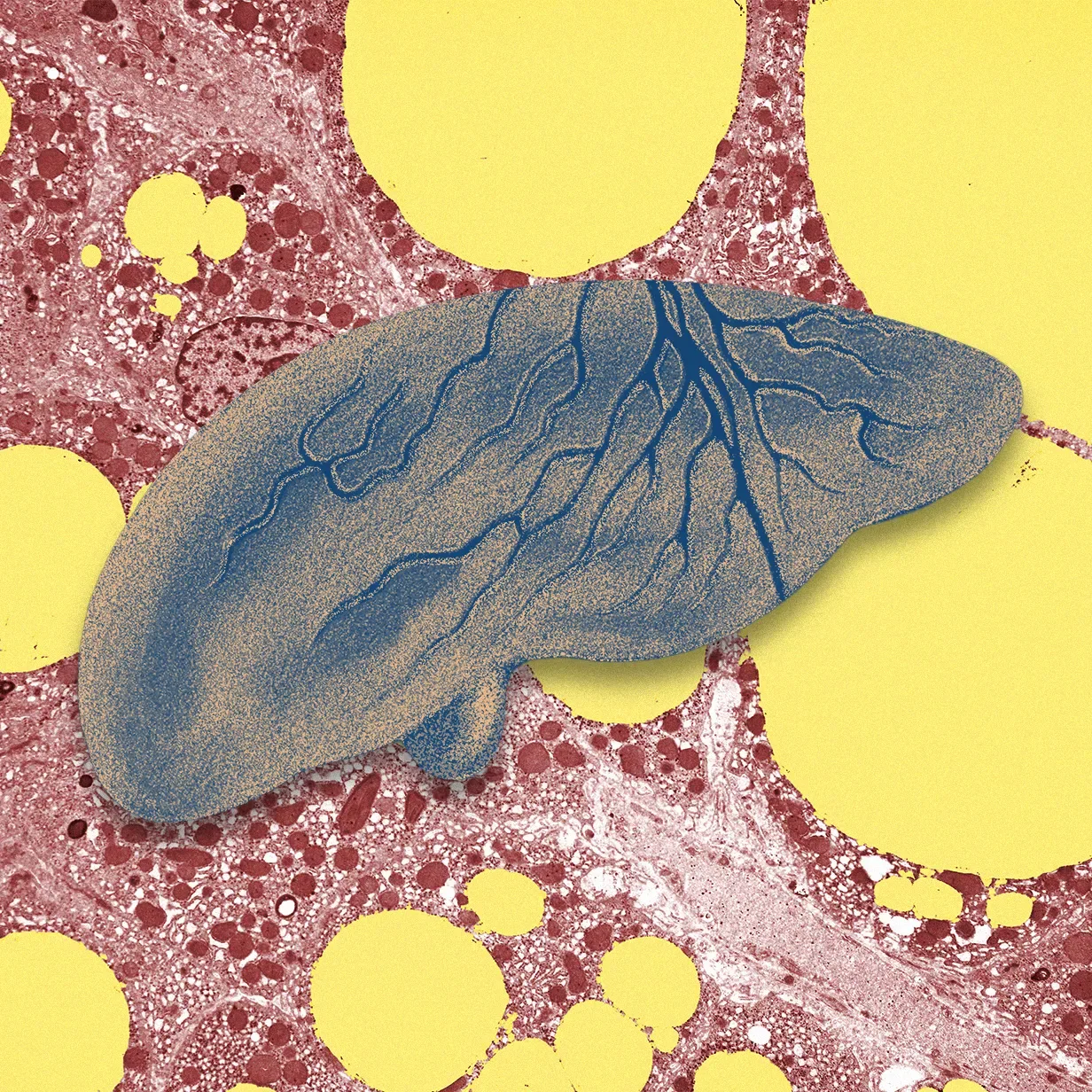
The scale of the fatty liver crisis is staggering, with researchers estimating that over a billion people worldwide are living with excess fat in their livers. This condition, often silent in its early stages, is a ticking time bomb for cardiovascular disease, diabetes, and liver failure. According to recent reporting, the medical community is turning to artificial intelligence as a potential shield against this growing epidemic.
The core challenge here is not just diagnosis, but timing. Fatty liver disease rarely shows symptoms until significant damage has occurred. By the time a patient feels ill, the window for simple lifestyle interventions may have closed. AI tools promise to change this dynamic by identifying subtle patterns in medical imaging and health data that human eyes might miss.
This is not about replacing doctors with algorithms. It is about giving clinicians a superpower. Machine learning models can analyze ultrasound, CT, and MRI scans with remarkable speed and accuracy. They can quantify fat content and detect early signs of inflammation or fibrosis long before traditional markers appear in blood tests.
The implications for healthcare systems are profound. We are currently spending billions treating complications of advanced liver disease. Shifting the focus to early detection via AI could drastically reduce these costs. It moves the model from expensive, invasive treatments to affordable, preventive care strategies.
For entrepreneurs and health tech developers, this represents a massive opportunity. There is a clear need for integrated platforms that combine AI diagnostics with personalized nutrition and exercise plans. The winners will be those who can seamlessly connect the diagnostic insight with actionable, daily habit changes for patients.
We must also consider the ethical and practical hurdles. Data privacy, algorithmic bias, and the need for rigorous clinical validation are critical. However, the potential to save lives by catching this disease early is too significant to ignore. The technology is ready; the question is how quickly we can deploy it responsibly.
What this means for you: If you work in health tech or wellness, start integrating AI-driven risk assessment tools into your workflows. Try using an AI assistant to analyze anonymized patient data patterns or to draft personalized prevention guides based on early diagnostic indicators. This proactive approach will be the standard in the next decade of healthcare.
Reporting basis: original story
← back to The Wire