the wire · #topnews · 2026-09-23
A new report from Europe raises serious alarms about orbital collisions
Cech Tech Reviews
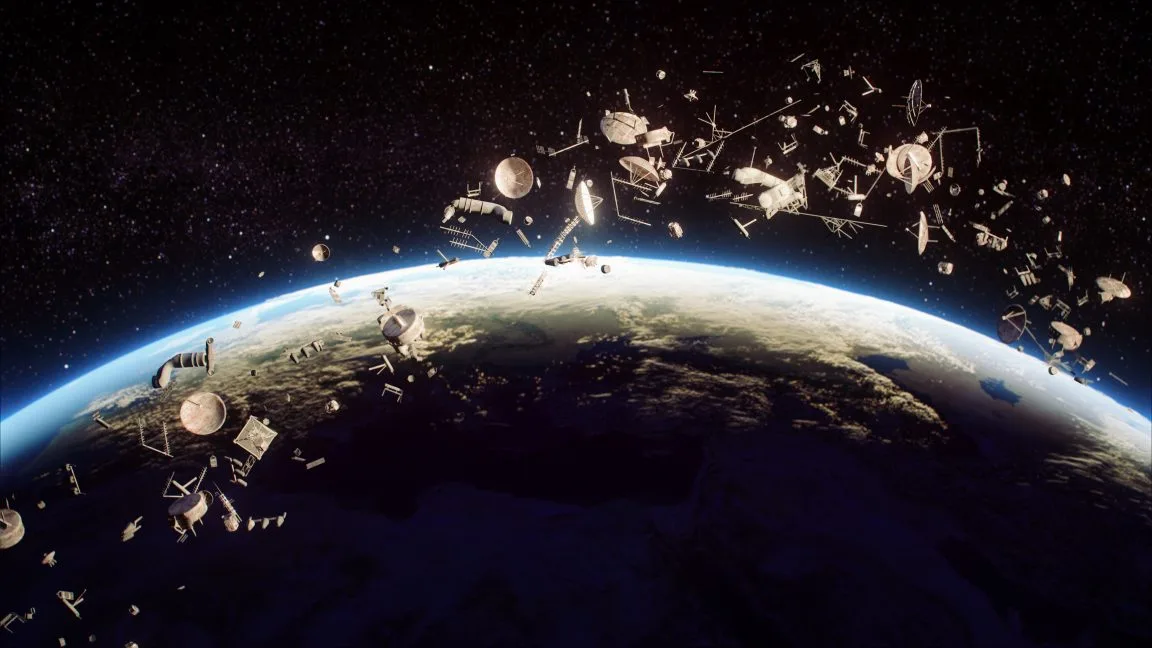
The 2013 sci-fi blockbuster Gravity did more than just win awards. It popularized the terrifying concept of the Kessler syndrome for a mainstream audience. This scenario depicts a chain reaction of satellite collisions that creates a debris field rendering orbits unusable. While the film took dramatic liberties, the core scientific premise remains valid and increasingly urgent.
According to recent reporting from European sources, this is no longer just a plot device. A new report has raised serious alarms about the reality of orbital collisions. The idea was first proposed by NASA scientists Donald Kessler and Burton Cour-Palais nearly half a century ago. They warned that a critical density of objects in low Earth orbit could trigger a cascade of impacts.
The movie depicted Russia shooting down a defunct satellite to start the chaos. In reality, the triggers are often accidental or the result of aging infrastructure. As more countries and private companies launch satellites, the probability of accidental collisions rises significantly. The space environment is becoming crowded in ways that were not fully anticipated decades ago.
This is not just about protecting expensive hardware. It is about safeguarding the global economy. Modern life relies heavily on satellite data for navigation, communication, and weather forecasting. A catastrophic debris field could disrupt these services for years or even decades. The economic and societal implications of such an event are staggering.
The report highlights the need for better tracking and mitigation strategies. Current methods are struggling to keep up with the sheer volume of objects in orbit. This includes everything from functional satellites to tiny fragments of paint. Each collision generates thousands of new pieces of debris that pose further risks.
We are at a critical juncture for space governance. International cooperation is essential to manage this shared resource effectively. Without coordinated action, we risk locking ourselves out of space. The window to implement effective debris removal and traffic management systems is closing.
What this means for you As AI tools become more integrated with satellite data and remote sensing, the stability of these orbits directly impacts your workflow. If you rely on real-time data feeds or cloud-based AI services that depend on satellite uplinks, space debris is a hidden risk to your infrastructure. To stay ahead, you should diversify your data sources and consider edge computing solutions that reduce reliance on constant satellite connectivity. Try using an AI assistant to map out your critical dependencies on satellite data and identify which services could be backed up by local processing or alternative terrestrial networks to ensure business continuity in case of orbital disruptions.
Reporting basis: original story
← back to The Wire