the wire · #ai · 2026-10-29
AI has come for Arizona’s water
Cech Tech Reviews
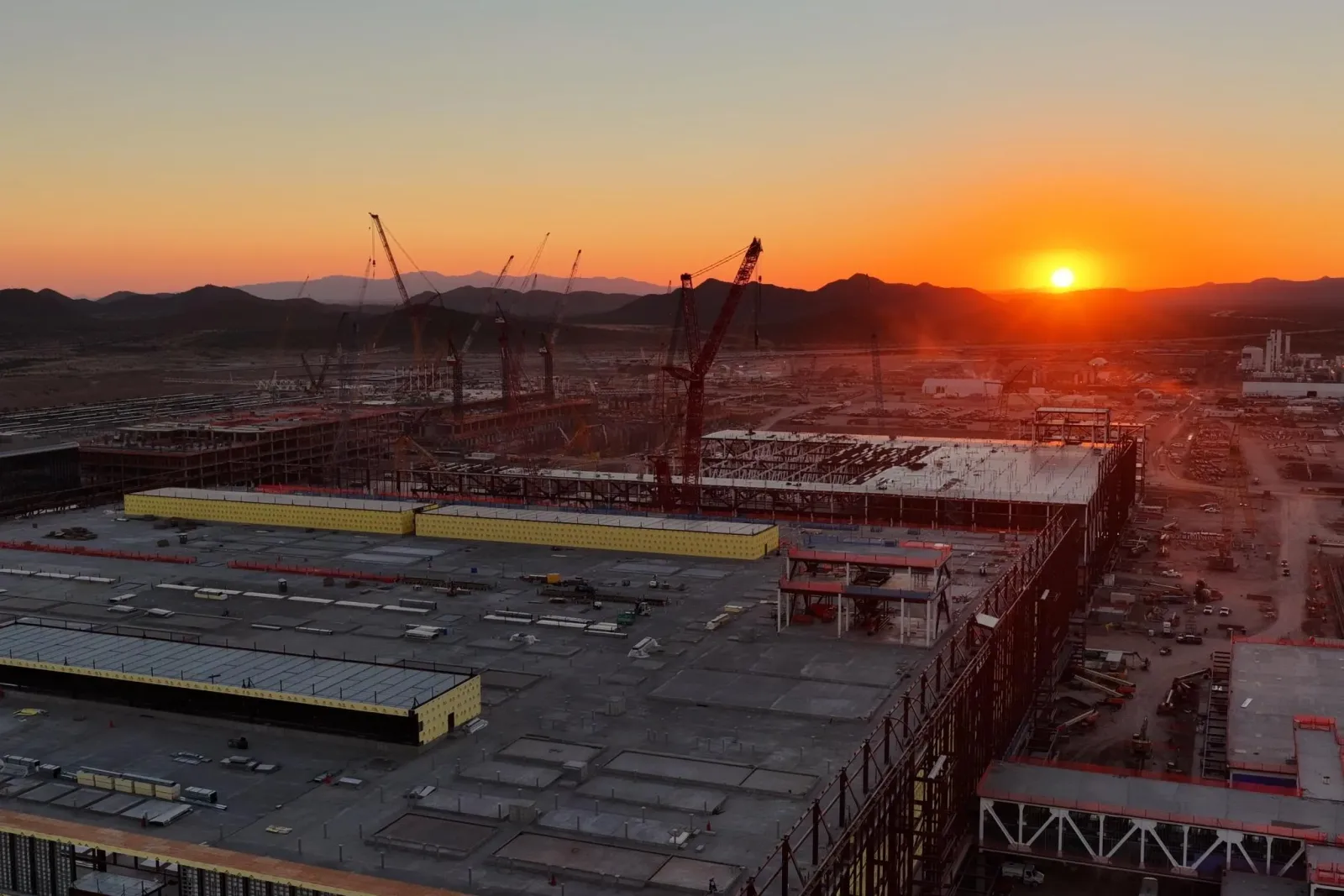
The desert landscape of Arizona is undergoing a quiet but violent transformation. Massive gray structures are rising from the earth, dwarfed only by the surrounding mountains and the sheer scale of their industrial purpose. These are not factories in the traditional sense but the beating hearts of our digital economy, housing the servers that power everything from search engines to generative AI models.
At the center of this shift is the Taiwan Semiconductor Manufacturing Company complex. It stands as a testament to what happens when a region bets big on high-tech manufacturing. The facility consumes nearly five million gallons of water daily from Phoenix’s municipal supply. Yet, despite this staggering demand, it has largely been welcomed as an economic savior that revived a sluggish post-recession economy.
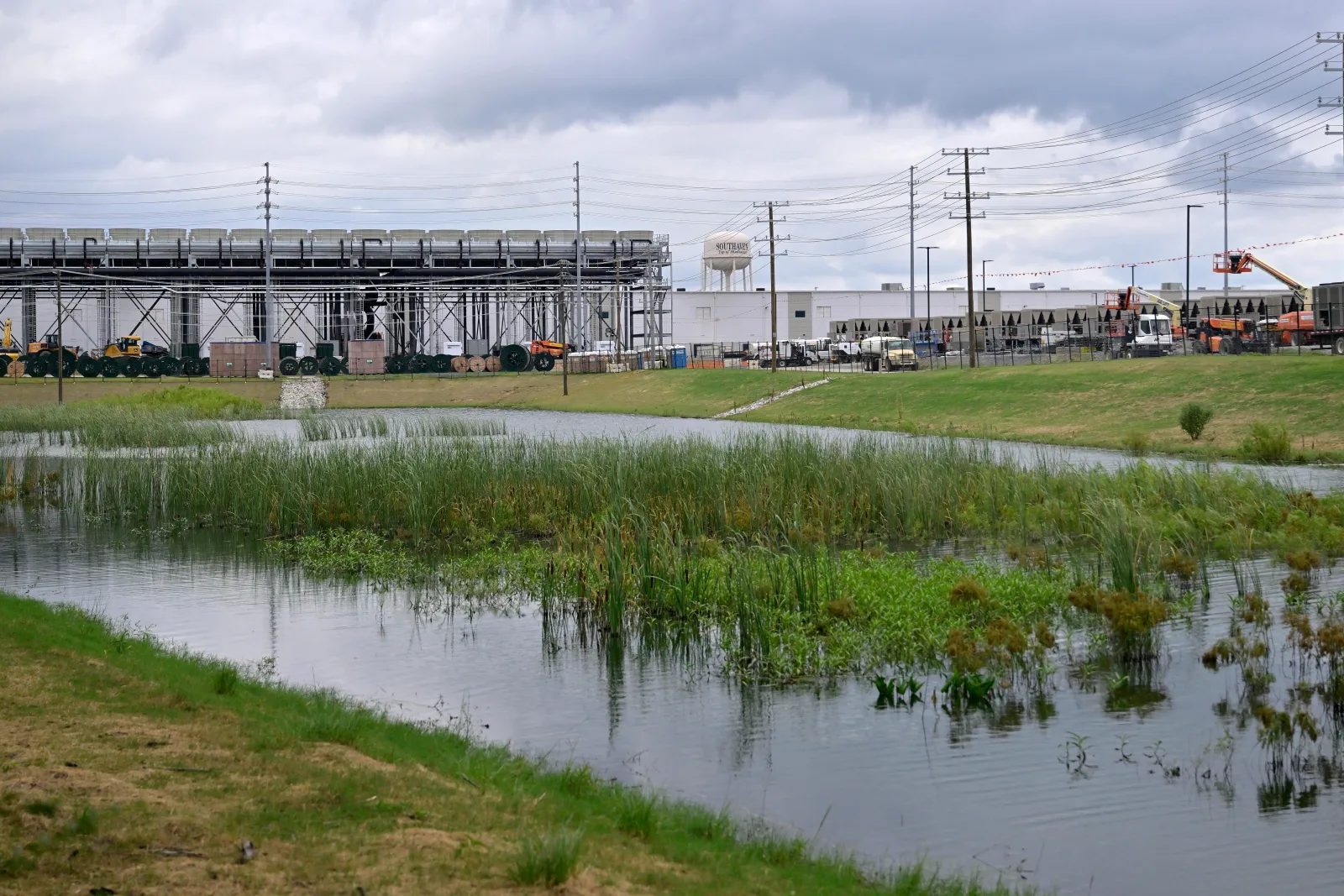
The narrative changed sharply with the arrival of hyperscale data centers. Arizona now hosts 172 such facilities, a number that seems impressive until you look at the resource cost. Unlike the chip foundry, these newer developments are facing intense grassroots opposition. Residents are forming surprisingly bipartisan coalitions to fight back against what they see as unsustainable growth.
The core of the conflict is water. Activists and local officials are pointing out that the state is already projected to lose nearly thirty percent of its Colorado River allocation in the coming years. Developers promise that data centers use less water than people think. They cite examples like Google’s facility in Oregon which uses about one and a half million gallons daily. That is still a significant fraction of TSMC’s consumption and a heavy burden for a desert city.
What makes this debate unique is the local expertise emerging from the opposition. Citizens are no longer just complaining about noise or traffic. They are studying zoning laws, land use maps, and water consumption metrics. They have become experts in the very infrastructure that threatens their community’s survival. This is a new form of civic engagement driven by the opaque nature of AI infrastructure.
The tension highlights a broader disconnect between national tech ambitions and local resource realities. Developers offer jobs and tax revenue as incentives. Locals argue that these benefits do not justify the long-term ecological damage. The vision of a prosperous Arizona is being contested by two very different definitions of progress.
This situation serves as a warning for other arid regions considering AI investments. The model of unlimited resource consumption for digital services is hitting a hard ceiling in places like Arizona. The backlash suggests that transparency and sustainable planning are no longer optional for tech companies expanding into water-stressed areas.
What this means for you: As AI tools become more integrated into your workflow, consider the physical footprint of the models you use. High-parameter models require more compute, which translates to higher energy and water usage. You can optimize your own impact by using smaller, specialized models for routine tasks and reserving large language models for complex reasoning. Try this prompt to reduce unnecessary compute load: "Summarize the following text using a concise bullet-point format. Focus only on actionable insights and ignore general background information." This forces efficiency and reduces the data processing required by the AI system.
Reporting basis: original story
← back to The Wire