the wire · #ai · 2026-10-29
The ‘Vulnpocalypse' is coming for the internet’s aging code, says Wiz’s CTO
Cech Tech Reviews

The recent scare surrounding critical vulnerabilities in PHP serves as a stark reminder of the fragility underpinning much of the modern internet. According to reporting on the issue, two severe bugs in the open source language, which powers approximately seventy percent of websites, forced organizations to scramble for patches. Some companies even took their sites offline entirely to mitigate the risk, illustrating the high stakes of maintaining aging codebases.
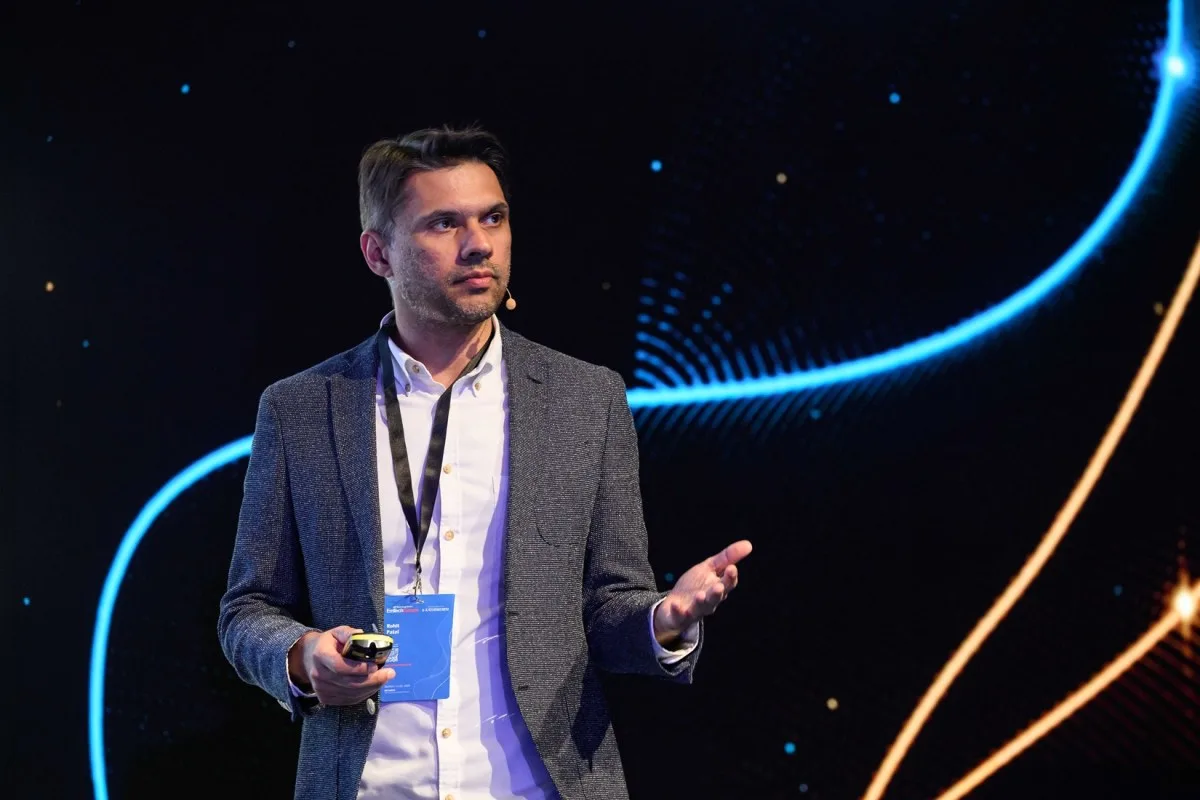
Wiz CTO Eran Stern has labeled this impending wave of security crises a Vulnpocalypse. The term captures the growing anxiety among security professionals who see legacy systems struggling to keep pace with the speed of modern threats. It is not just about one language or one bug. It is about a systemic failure to maintain the foundational code that the digital economy relies on daily.
The scale of the problem is difficult to overstate. When a significant portion of the web runs on software that is decades old, the attack surface becomes enormous. Developers are often left guessing which dependencies are vulnerable and how to patch them without breaking existing functionality. This uncertainty creates a bottleneck that slows down innovation and increases operational costs for businesses of all sizes.
This situation highlights a broader trend in the tech industry where the cost of technical debt is becoming unsustainable. Many organizations built their early success on rapid deployment using readily available tools. Now, they are paying the price in security audits and emergency maintenance. The gap between how fast new vulnerabilities are discovered and how quickly teams can respond is widening dangerously.
Artificial intelligence offers a potential pathway out of this mess. AI tools can analyze codebases at a scale and speed that human teams cannot match. They can identify deprecated libraries, suggest secure alternatives, and even automate the patching process for known issues. This shifts the burden from reactive firefighting to proactive maintenance, allowing teams to focus on building new features rather than fixing old ones.
The implications for entrepreneurs and developers are clear. Relying on manual checks for security vulnerabilities is no longer a viable strategy. You need to integrate AI-driven security scanning into your continuous integration and deployment pipelines. This ensures that every line of code is vetted against the latest threat intelligence before it ever reaches production.
What this means for you is that you must treat legacy code as a liability that requires constant monitoring. Do not wait for a crisis to force your hand. Start by auditing your current dependencies and identifying any outdated components that could pose a risk. Then, implement automated tools that can keep these systems updated in real time.
Try using an AI assistant to review your project's dependency tree. You can paste your package.json or requirements.txt file into a secure AI chat interface and ask it to identify any packages that are no longer maintained or have known high severity vulnerabilities. This simple step can help you prioritize your security efforts and reduce your exposure to future Vulnpocalypse events.
Reporting basis: original story
← back to The Wire