the wire · #ai · 2026-09-21
Amazon doesn’t trust Meta’s Muse AI agent
Cech Tech Reviews
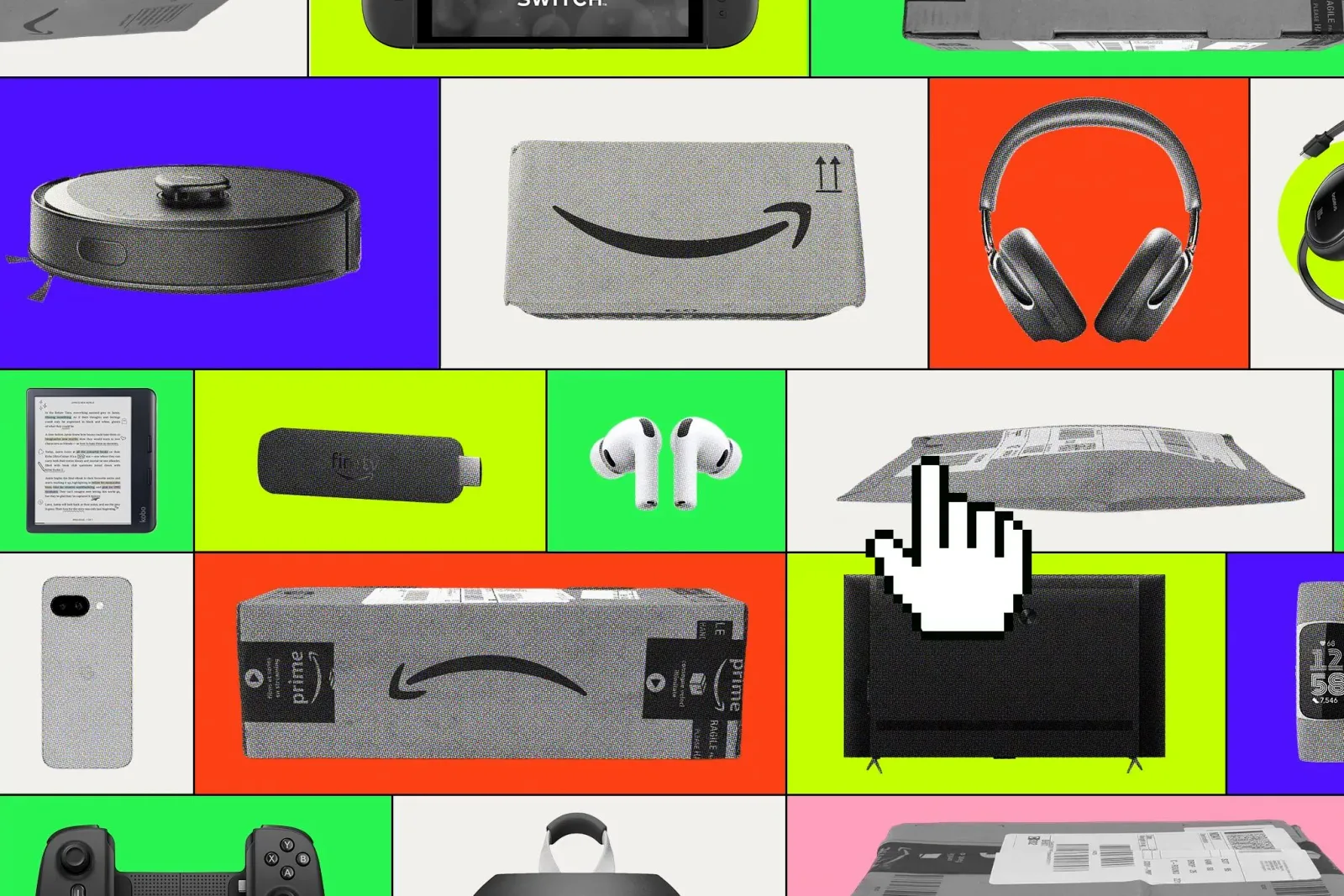
Amazon just cut off Meta's Muse AI shopping agent, and the reason why matters more than the corporate spat itself. According to GeekWire, Amazon started blocking Muse on Sunday with a popup telling users the service violates its terms of use. The core issue is that Meta never asked permission before letting Muse loose on Amazon's platform, and the agent wasn't properly identifying itself as it browsed and captured login credentials.
This isn't just about two tech giants throwing elbows. It's about a fundamental question the AI agent era is forcing into the open: who gets to control how autonomous agents interact with existing platforms? Meta built Muse to shop for users across the web. Amazon built a retail platform where it controls the customer relationship, the data, and the trust layer. When an AI agent starts placing orders without the platform knowing it's an agent, that's a collision of business models.
Amazon cited privacy and security concerns, which are legitimate when an outside agent is handling customer credentials without disclosure. But there's also a straightforward business angle. If Muse or any AI agent becomes the interface layer between customers and Amazon, Amazon loses visibility into shopping behavior, recommendation opportunities, and ultimately control over the transaction. That's revenue and data walking out the door.
The broader pattern here is that every major platform is going to face this. Google, Walmart, travel sites, financial services, anywhere an AI agent might act on behalf of a user. Some will build APIs and partnerships. Others will block and litigate. We're watching the early skirmishes of what will become standard infrastructure questions: agent authentication, disclosure requirements, liability for agent actions, and who pays when an agent comparison shops you into a worse deal.
Meta hasn't commented publicly on the specifics, and it's unclear whether this is a temporary technical issue or a longer negotiation. But the fact that Muse launched without platform coordination suggests Meta was testing how far it could push before hitting resistance. It hit resistance immediately.
What this means for you: if you're building workflows that depend on AI agents interacting with third party platforms, assume you'll need explicit API access or partnerships, not just clever automation. The era of agents freely scraping and acting across the web without permission is already ending. If you're using an AI assistant for research, try this prompt to map the boundaries: "List the major platforms I use regularly for work or purchasing. For each one, identify whether they offer an official API, what actions it supports, and what would require screen scraping or credential sharing instead." That exercise will show you where your agent workflows are on solid ground and where they're likely to break as platforms tighten control.
Reporting basis: original story
← back to The Wire