the wire · #global · 2026-09-22
An Army of Paid Creators Is Carpeting the Web With Political Content
Cech Tech Reviews
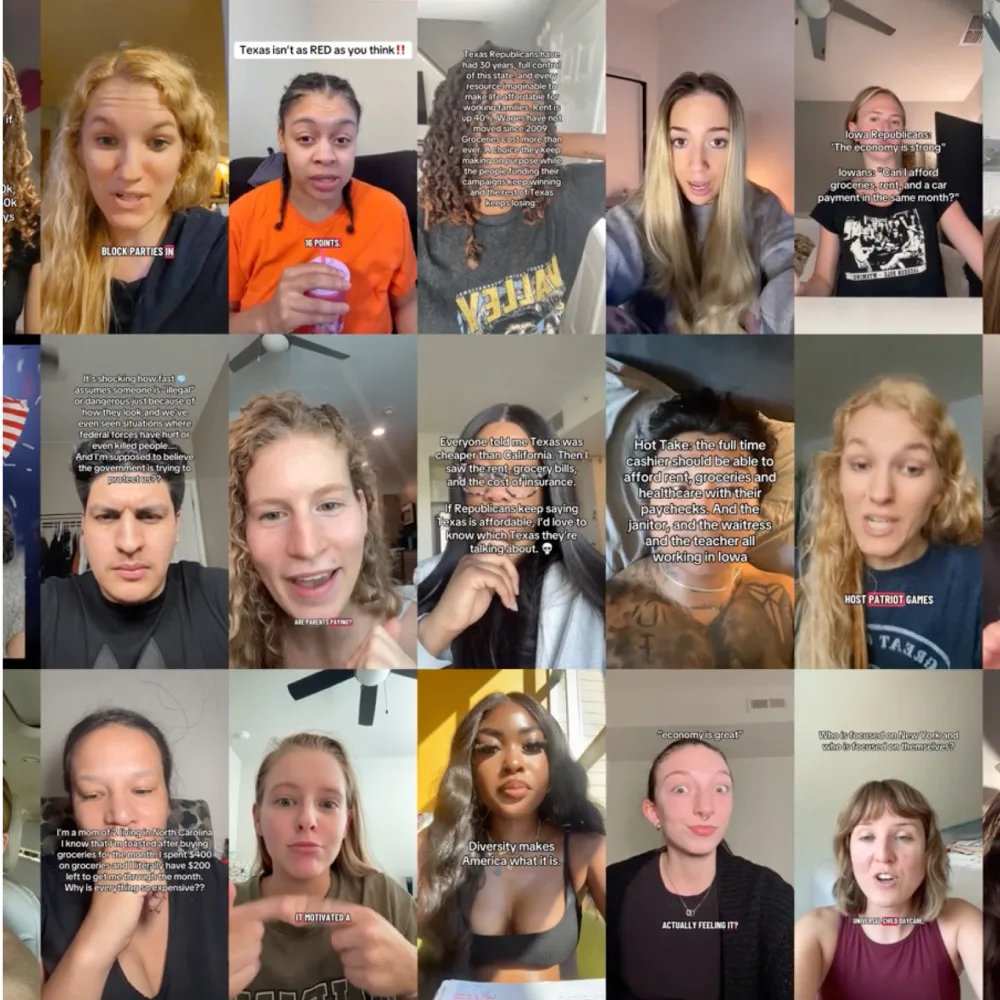
The landscape of online political influence is undergoing a quiet but massive transformation. According to recent reporting, we are no longer just watching celebrity influencers dictate narratives. Instead, an army of paid creators is carpeting the web with political content. This shift marks a departure from traditional high-budget campaigns toward a decentralized, high-volume strategy.
These creators operate differently than the famous faces you see on your feed. They produce a blizzard of videos for a fraction of the cost of traditional online campaigns. This approach allows political actors to scale their message exponentially. The goal is not to build a personal brand but to dominate the algorithmic space.
The economic model here is starkly different from influencer marketing. Traditional campaigns rely on a few key voices with massive followings. This new model relies on hundreds or thousands of micro-creators. Each one produces content that is cheap to make and easy to distribute. The result is a saturation of specific talking points across multiple platforms.
This strategy effectively shifts public conversation through sheer volume. When a topic appears everywhere, it feels like a consensus. The algorithm rewards this consistency by pushing similar content to more users. It creates an echo chamber that is difficult for opposing views to penetrate. The noise level itself becomes the message.
For AI enthusiasts, this is a critical case study in generative media. The speed and scale of this content production suggest heavy reliance on automation. We are likely seeing AI-assisted scripting, voice synthesis, and video editing. This lowers the barrier to entry for political messaging to near zero. It also raises serious questions about the authenticity of online discourse.
The implications for digital literacy are profound. Users can no longer trust that a video represents a genuine grassroots movement. It may simply be a paid operation designed to mimic organic engagement. Recognizing these patterns is essential for maintaining a healthy information ecosystem. We must learn to identify coordinated inauthentic behavior.
What this means for you is that you need to audit your own content workflows. If you are using AI to generate marketing or political content, consider the ethical boundaries. Try this prompt to analyze your own output for signs of automation: "Review this text for repetitive sentence structures and generic phrasing that might indicate AI generation, and suggest three ways to make it sound more human and unique." This helps you stay ahead of the curve while maintaining integrity.
Reporting basis: original story
← back to The Wire