the wire · #topnews · 2026-09-20
Welcome to Dogs Anonymous, the Online Support Group for People With Difficult Dogs
Cech Tech Reviews
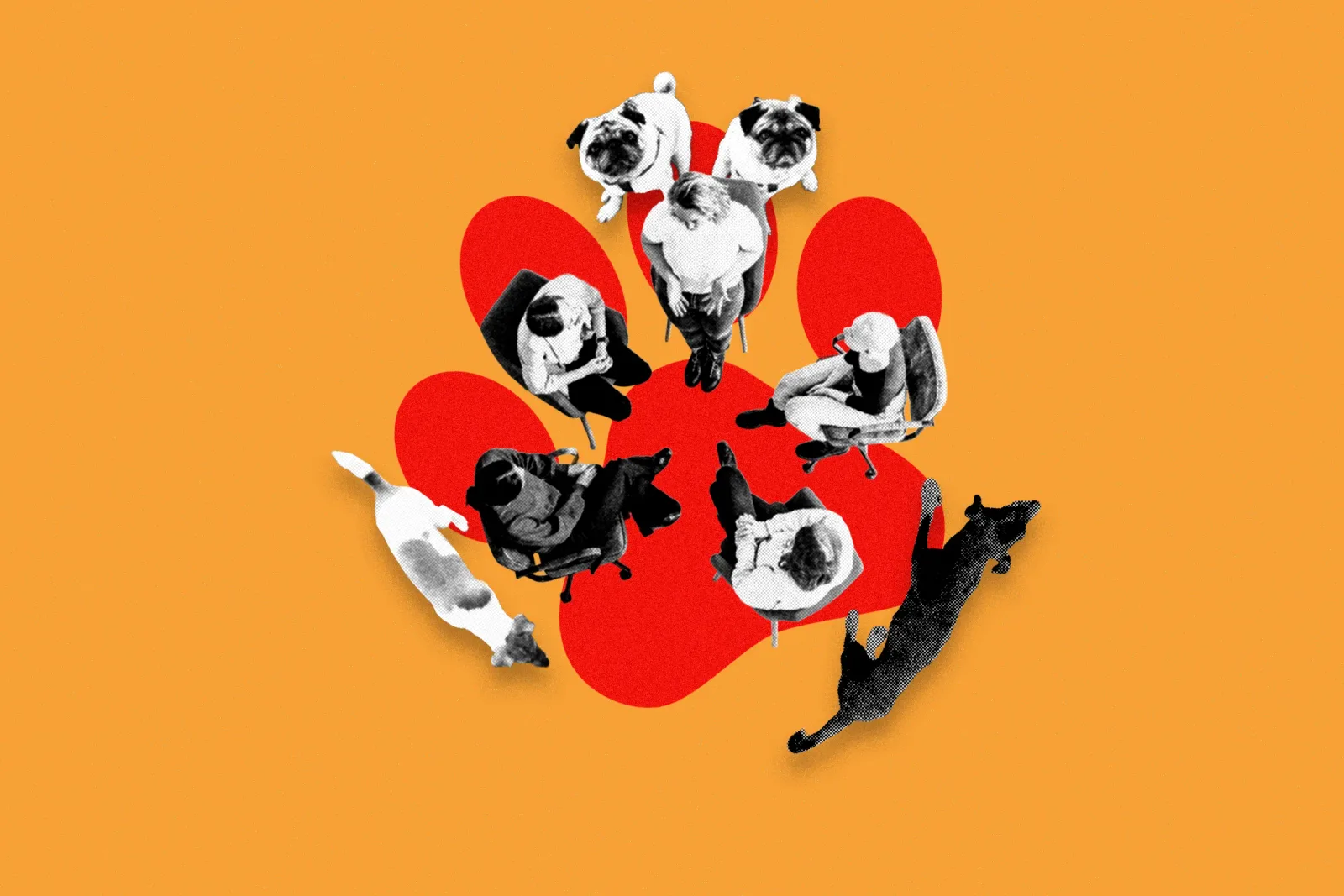
The internet has long been a repository for our most frustrated moments, but a new community called Dogs Anonymous is carving out a specific niche for those struggling with their pets. According to WIRED, this online support group provides a space where owners can openly admit to feeling overwhelmed, angry, or even resentful toward their dogs. It is a place where saying you hate your dog today is met not with judgment, but with validation from others who have felt the exact same way.
This phenomenon signals a significant cultural shift in how we view pet ownership. For decades, the idealized image of the perfect pet owner was one of endless patience and unconditional love. However, the reality of training, behavioral issues, and the sheer exhaustion of care often contradicts this narrative. By creating a forum for these negative emotions, Dogs Anonymous is dismantling the stigma surrounding pet ownership struggles. It acknowledges that loving a pet does not mean every moment is joyful or easy.
The implications for the broader AI and tech landscape are subtle but important. As we integrate more AI tools into our daily lives, we are also seeing a rise in digital communities that prioritize emotional authenticity over curated perfection. This mirrors the growing demand for AI assistants that can handle complex emotional contexts, not just factual queries. Users are increasingly looking for technology that understands nuance, frustration, and the messy reality of human experience.
From a practical standpoint, this trend highlights the importance of mental health resources in niche communities. Just as Dogs Anonymous provides a safety valve for pet owners, we might see more specialized AI-driven support systems emerge for other high-stress areas of life. These systems could offer immediate, non-judgmental outlets for venting, helping users process emotions before they escalate. This is not about replacing human connection, but about providing accessible, always-available support.
The rise of such groups also reflects a broader skepticism toward traditional advice models. People are tired of generic tips that do not account for individual circumstances. They want spaces where their specific, often ugly, feelings are acknowledged. This demand for personalized, empathetic interaction is driving the development of more sophisticated natural language processing models. These models are being trained to recognize and respond to emotional distress with greater sensitivity and accuracy.
For professionals and entrepreneurs, this is a reminder that technology must serve human emotional needs, not just functional ones. The success of platforms like Dogs Anonymous suggests that there is a massive market for tools that help people navigate the difficult, unglamorous sides of life. Developers should consider how their AI products can support users in these vulnerable moments, offering comfort and understanding rather than just efficiency.
What this means for you is that the future of AI interaction is deeply personal. As you build or use AI tools, consider how they can handle the full spectrum of human emotion, including frustration and anger. Try using an AI assistant to help you draft a difficult email or process a complex emotional situation. Ask it to role-play a challenging conversation to help you prepare. This practice can help you develop better communication skills and reduce stress in your professional and personal life.
Reporting basis: original story
← back to The Wire