the wire · #topnews · 2026-07-15
An Inventor of Apple’s FaceID Wants to Analyze Your Brain’s Health With AI
Cech Tech Reviews
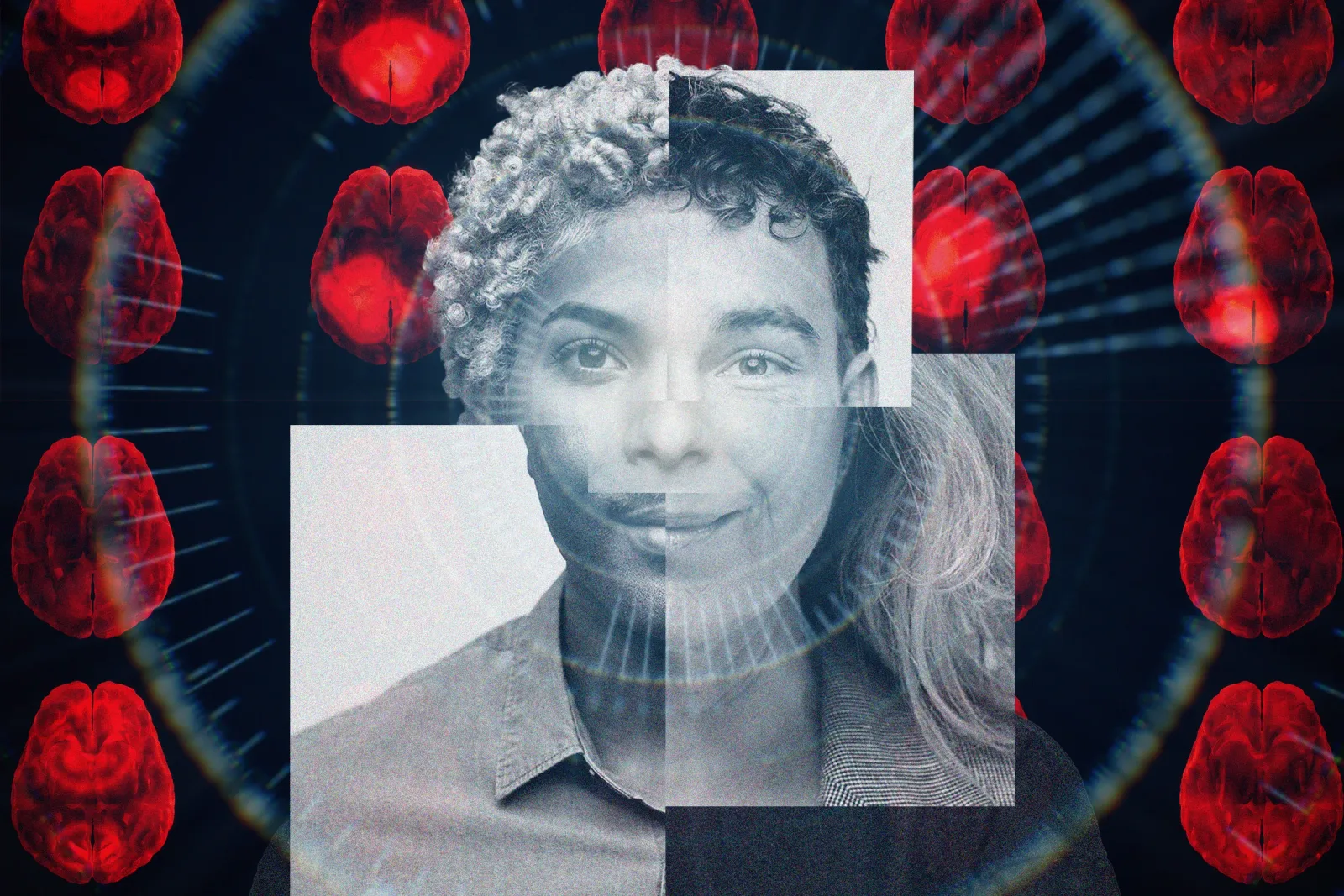
The intersection of consumer hardware expertise and clinical diagnostics is about to get a major upgrade. According to TechCrunch, Gidi Littwin, one of the original inventors behind Apple’s FaceID technology, has launched a new venture called Hemispheric. This startup is not building another smartphone sensor but is instead turning that precision engineering toward the human brain.
Littwin’s goal is ambitious and potentially transformative for mental and neurological health care. He wants to create diagnostic brain scans that are accessible enough to be used as routinely as a blood test. The target conditions are significant, including depression, PTSD, and Parkinson’s disease, which currently lack objective, easily accessible diagnostic tools.
The core innovation here lies in translating complex facial recognition algorithms into neural analysis tools. FaceID relies on sophisticated pattern recognition to map the geometry of a face. Hemispheric appears to be applying similar AI-driven pattern recognition to brain activity or structural data, aiming to identify biomarkers for various neurological conditions.
This approach addresses a critical gap in modern medicine. While we have advanced imaging for structural issues, functional and mental health diagnoses often rely on subjective patient reports. An AI tool that can objectively analyze brain health could reduce diagnostic delays and help doctors tailor treatments more effectively.
The emphasis on cost and ease of use is what makes this particularly interesting for the broader tech and health sectors. If Littwin can replicate the scalability that made FaceID ubiquitous, Hemispheric could democratize access to neurological insights. This would shift brain health monitoring from specialized clinics to primary care settings.
For AI developers and health tech entrepreneurs, this signals a shift toward applying computer vision and pattern recognition models to biological data. The challenge will be validating these AI models against rigorous clinical standards while maintaining the low-cost promise. Success here could set a new precedent for non-invasive diagnostic technologies.
What this means for you: If you work in health tech or product development, watch how Littwin’s team handles data privacy and regulatory approval. You can try this prompt with an AI assistant to explore the ethical implications: "Analyze the potential privacy risks of using facial recognition-derived AI for brain health diagnostics and suggest three mitigation strategies for a startup like Hemispheric."
Reporting basis: original story
← back to The Wire