the wire · #topnews · 2026-07-13
Sam Neill Inspired a Generation of Scientists
Cech Tech Reviews
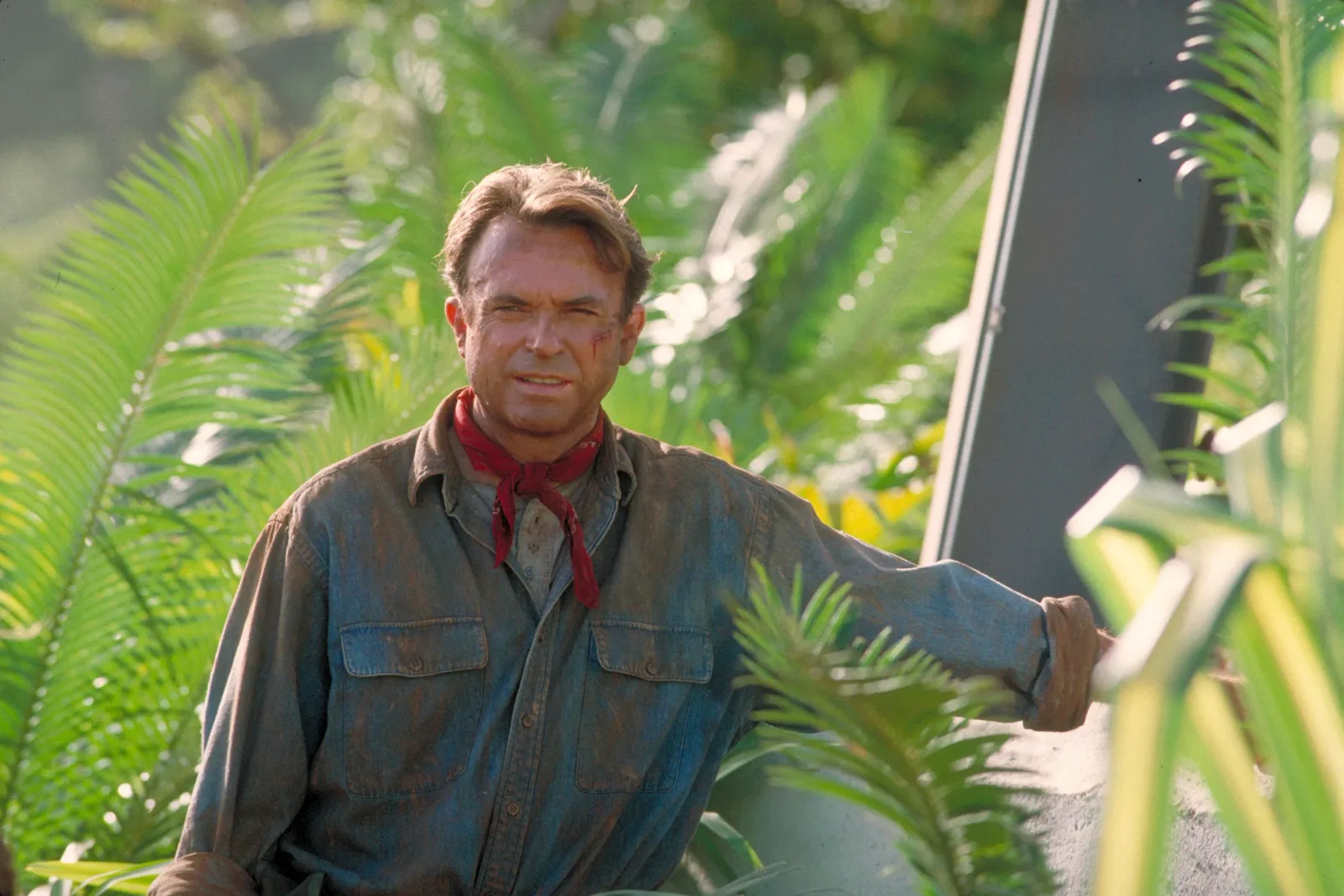
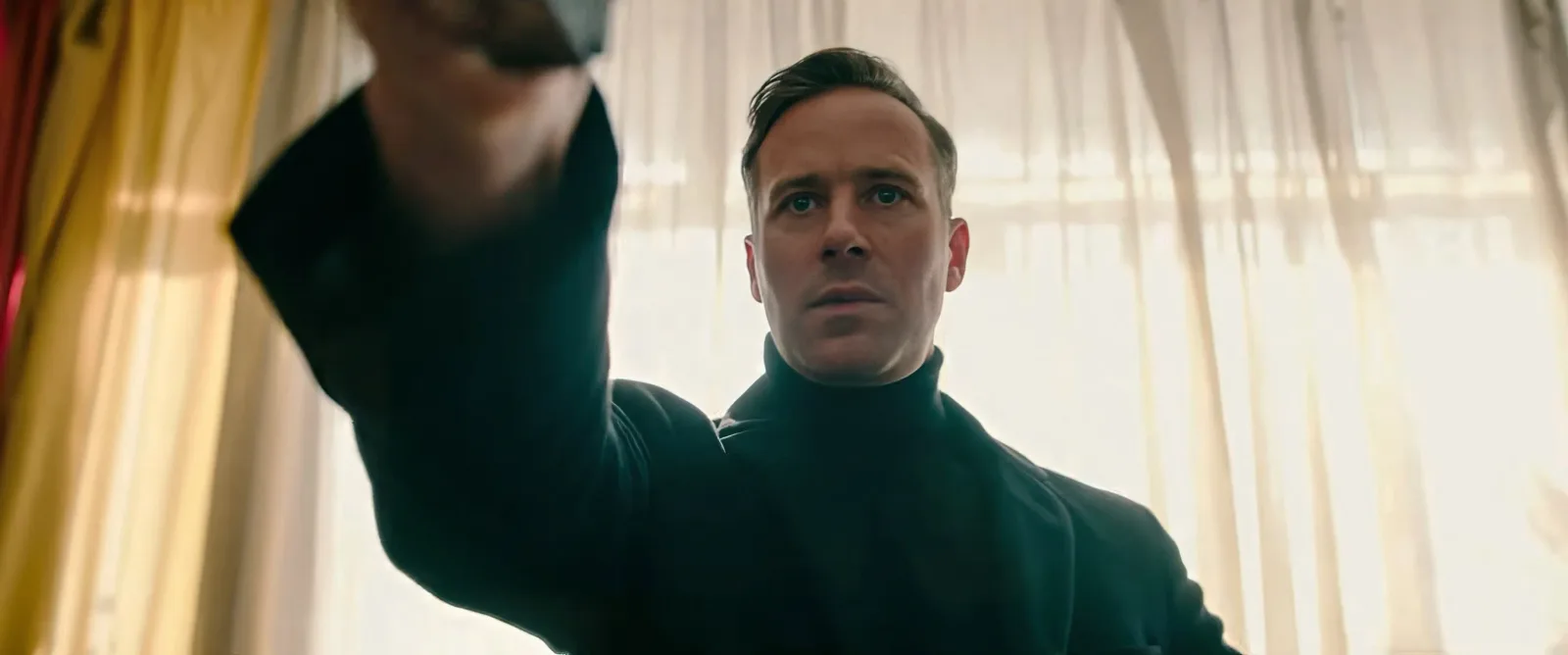
Sam Neill passed away at the age of 78, leaving behind a cultural footprint that reaches far beyond the silver screen. While he is widely celebrated for his acting prowess, his most enduring impact may lie in how he shaped the public imagination regarding scientific inquiry. According to recent tributes, his role as paleontologist Alan Grant in the 1993 blockbuster Jurassic Park did more than entertain audiences. It embodied a passionate approach to research that resonated with a generation of young scientists.
The character of Alan Grant was not just a hero in a dinosaur movie. He represented a specific type of positive masculinity that was rare in mainstream media at the time. Instead of relying on brute force or aggression, Grant solved problems through observation, patience, and intellectual curiosity. This portrayal offered a new template for what a scientist could look like in the public eye. It suggested that rigor and empathy could coexist in the pursuit of knowledge.
This narrative shift had tangible effects on the field of paleontology. Many young people who grew up watching the film cited it as the catalyst for their career choices. They saw a scientist who was rugged yet refined, adventurous yet methodical. This combination helped demystify the scientific process for a broader audience. It made the idea of spending years in the field or analyzing fossils seem like an exciting adventure rather than a dry academic exercise.
The influence of this portrayal is particularly relevant in today’s AI-driven landscape. We often discuss how technology changes the tools we use for research. However, we rarely discuss how media shapes the people who use those tools. The inspiration generated by fictional characters can drive real-world participation in STEM fields. This human element is just as critical as the technological advancements themselves.
As we integrate more AI into scientific workflows, the need for diverse and inspired researchers becomes more pressing. AI can process data, but it cannot replicate the passion that drives a scientist to ask the right questions. The legacy of characters like Alan Grant reminds us that human curiosity is the engine of discovery. Technology amplifies that curiosity, but it does not replace the initial spark.
The story of Sam Neill serves as a reminder of the power of storytelling in science communication. It highlights how media can serve as a gateway to serious academic pursuits. For those of us working in tech and AI, this offers a valuable lesson. We must consider how our tools and narratives inspire the next generation of innovators.
What this means for you is that the intersection of media and science is more potent than ever. You can leverage this by using AI to create engaging educational content that highlights the human side of research. Try using an AI assistant to draft a short story or script that features a scientist using AI tools to solve a complex problem. Focus on the curiosity and problem-solving aspects rather than just the technical details. This approach can help inspire others to engage with scientific topics in a meaningful way.
Reporting basis: original story
← back to The Wire