the wire · #topnews · 2026-07-12
Uber’s Autonomous Vehicle Strategy: Slow Their Adoption
Cech Tech Reviews
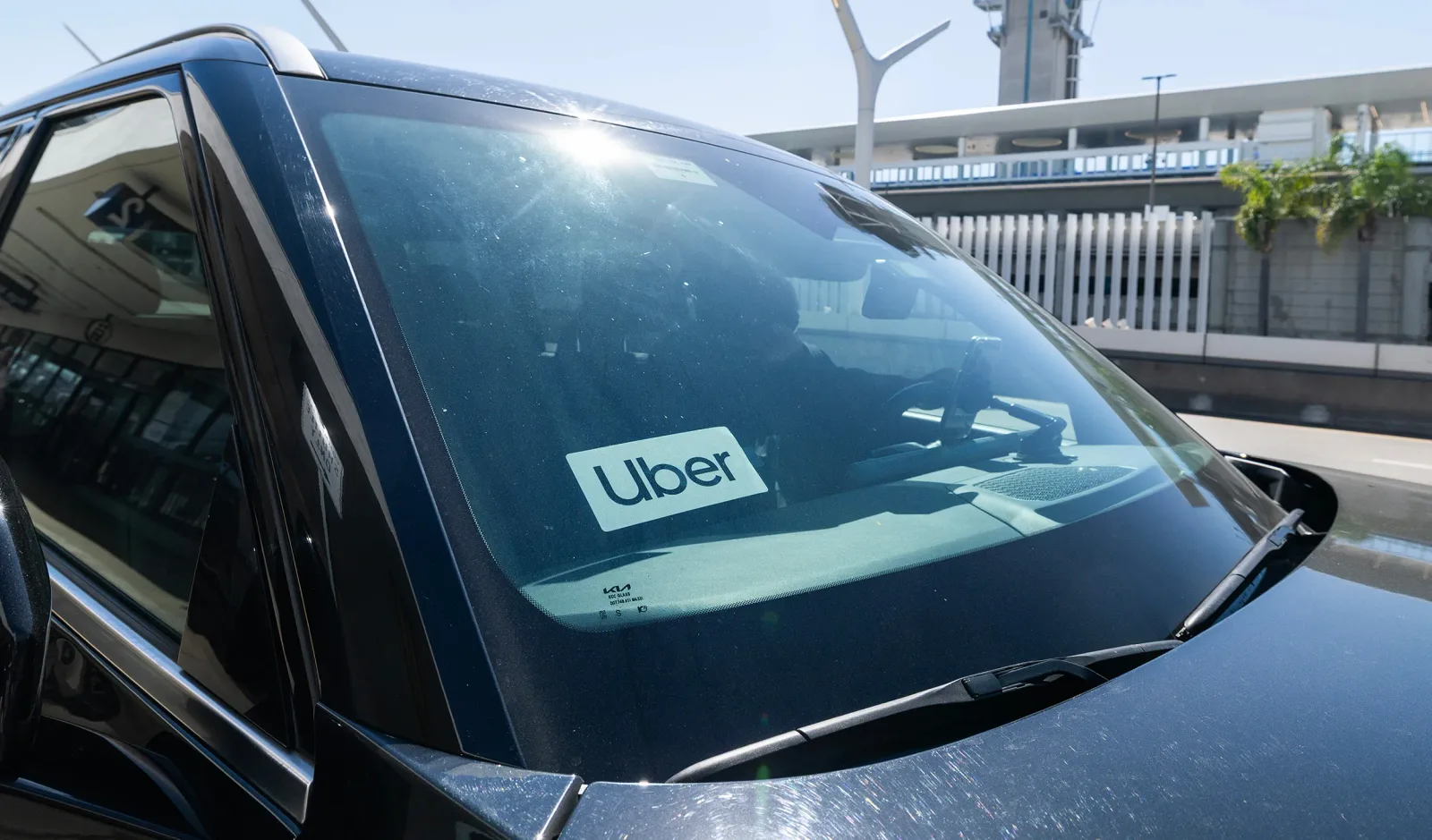
The narrative surrounding autonomous vehicles has long been dominated by the promise of rapid, disruptive deployment. We were told that self-driving cars would soon render human drivers obsolete and transform urban logistics overnight. However, recent reporting reveals a more calculated and perhaps cynical strategy from Uber. The ride-hailing giant is not racing to replace its workforce with robots. Instead, it is actively pushing policies that could slow down the widespread adoption of autonomous technology.
According to recent analyses, this approach is framed by Uber as a fight against monopolies. The company argues that allowing self-driving car developers to operate without the constraints of a traditional ride-hailing platform could lead to market consolidation. By insisting on its role as the intermediary, Uber aims to prevent any single autonomous vehicle manufacturer from capturing the entire customer relationship. This is a significant pivot from its earlier stance of integrating these technologies as quickly as possible.
This strategy creates a fascinating tension between Uber and the very startups it once invested in or partnered with. Companies like Waymo and Cruise have spent billions developing the hardware and software for self-driving fleets. They expect a clear path to monetization through direct consumer access. Uber’s insistence on acting as the gatekeeper complicates this vision. It forces these developers to negotiate with a platform that has a vested interest in controlling the flow of traffic and data.
The implications for the broader tech ecosystem are profound. If Uber succeeds in slowing adoption, it preserves its massive network effects. Human drivers remain part of the equation, ensuring that Uber retains control over pricing, availability, and user experience. This delays the moment when autonomous vehicles become a commodity service available through multiple competing apps. It keeps the market fragmented in a way that favors Uber’s existing infrastructure.
Critics might argue that this is anti-innovation. After all, the primary benefit of autonomous vehicles is efficiency and cost reduction. Slowing their rollout keeps prices higher and limits the potential for scalable, driverless logistics. Yet, from a business perspective, Uber is protecting its most valuable asset: its user base. By controlling the interface, it ensures that even if the cars are autonomous, the profits still flow through its platform.
This move also highlights the evolving definition of monopoly in the digital age. Uber is not just a taxi service anymore. It is a data hub and a logistics coordinator. By resisting the direct-to-consumer model of autonomous fleets, it maintains its position as an essential utility. This could stifle competition from tech giants who want to bypass traditional ride-hailing models entirely. The battle is no longer just about who has the best self-driving software.
What this means for you is that the timeline for a fully autonomous future is likely to be much longer than expected. The technology is ready, but the business models are still being fought over. If you are an entrepreneur or developer in the mobility space, expect more regulatory hurdles and platform negotiations. Here is a prompt you can use to analyze market entry strategies in this constrained environment: "Analyze the competitive advantages of partnering with established ride-hailing platforms versus building a direct-to-consumer autonomous fleet, focusing on user acquisition costs and regulatory compliance."
Reporting basis: original story
← back to The Wire