the wire · #ai · 2026-09-28
Anthropic, Gamma, and Clay share what happens when enterprises actually deploy AI at TechCrunch Disrupt 2026
Cech Tech Reviews
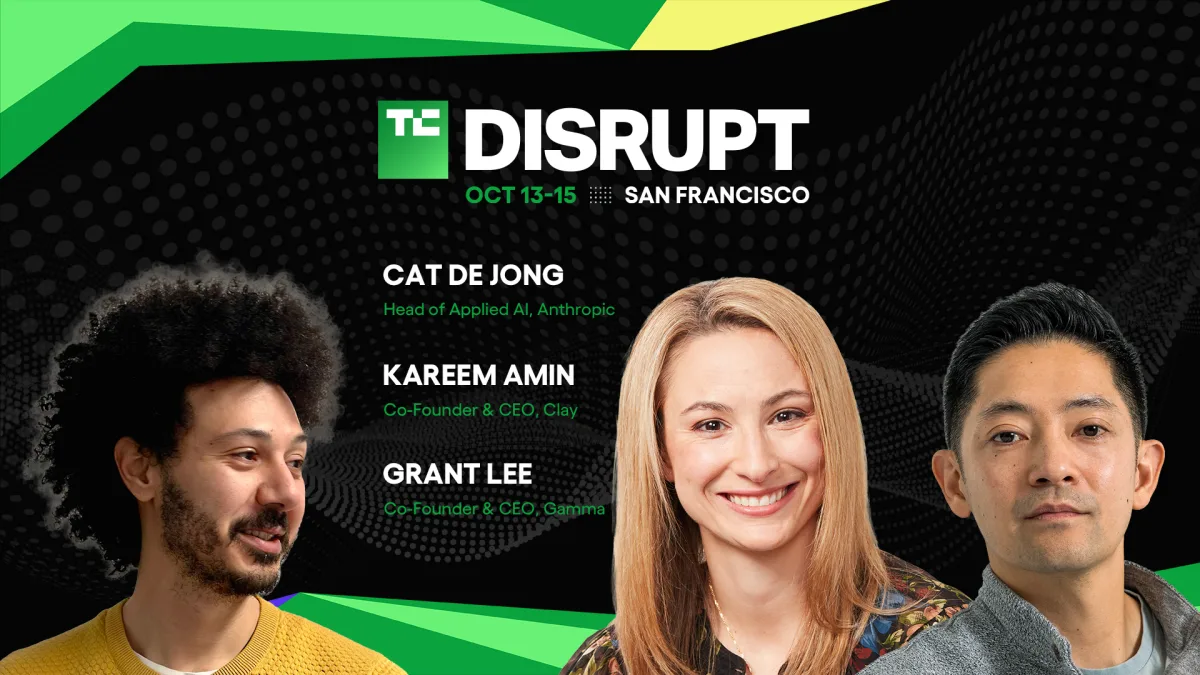
The hype cycle around artificial intelligence is finally hitting a wall of reality. At TechCrunch Disrupt 2026, the conversation shifted from flashy demos to the gritty details of enterprise deployment. Anthropic, Gamma, and Clay took the stage to discuss what it actually takes to move AI from a novelty to a core business function. This panel was not about selling dreams but about solving the messy problems of integration and trust.
According to the reporting from TechCrunch, the speakers emphasized that successful AI adoption requires more than just access to powerful models. It demands a fundamental rethink of how workflows are structured. The era of throwing a chatbot at a problem and hoping for the best is over. Companies are now looking for tools that fit seamlessly into existing processes without causing disruption.
Anthropic brought the focus back to safety and reliability. Their presentation highlighted that enterprises are no longer willing to trade accuracy for speed. The demand is for models that can be audited and understood. This shift is critical for industries like finance and healthcare where a hallucination can have severe consequences. Trust is the new currency in the AI economy.
Gamma and Clay offered a different perspective on user experience. They argued that the best AI tools are the ones that users do not even notice. The goal is to reduce friction, not add another layer of complexity. Clay showed how AI can automate data enrichment without requiring manual input. Gamma demonstrated how design workflows can be accelerated by generative tools. Both companies proved that value comes from invisibility and efficiency.
The broader implication here is that the barrier to entry for AI is no longer technical. It is cultural. Organizations must be willing to change how they work. This means retraining employees and rethinking governance. The companies that succeed will be those that treat AI as a partner rather than a replacement. This mindset shift is harder than any coding challenge.
What this means for you is that you should stop looking for the next big AI feature and start looking for integration. Evaluate tools based on how well they fit into your current stack. Ask yourself if the tool saves time or just adds noise. If you are building a workflow, try this prompt to test an AI assistant's ability to integrate with your specific context: "Analyze this standard operating procedure and identify three steps where an AI agent could autonomously handle the task without human oversight, detailing the required permissions and safety checks for each." This exercise will help you move from theory to practice.
Reporting basis: original story
← back to The Wire