the wire · #ai · 2026-09-29
Nvidia launches new platform for reining in rogue AI agents
Cech Tech Reviews
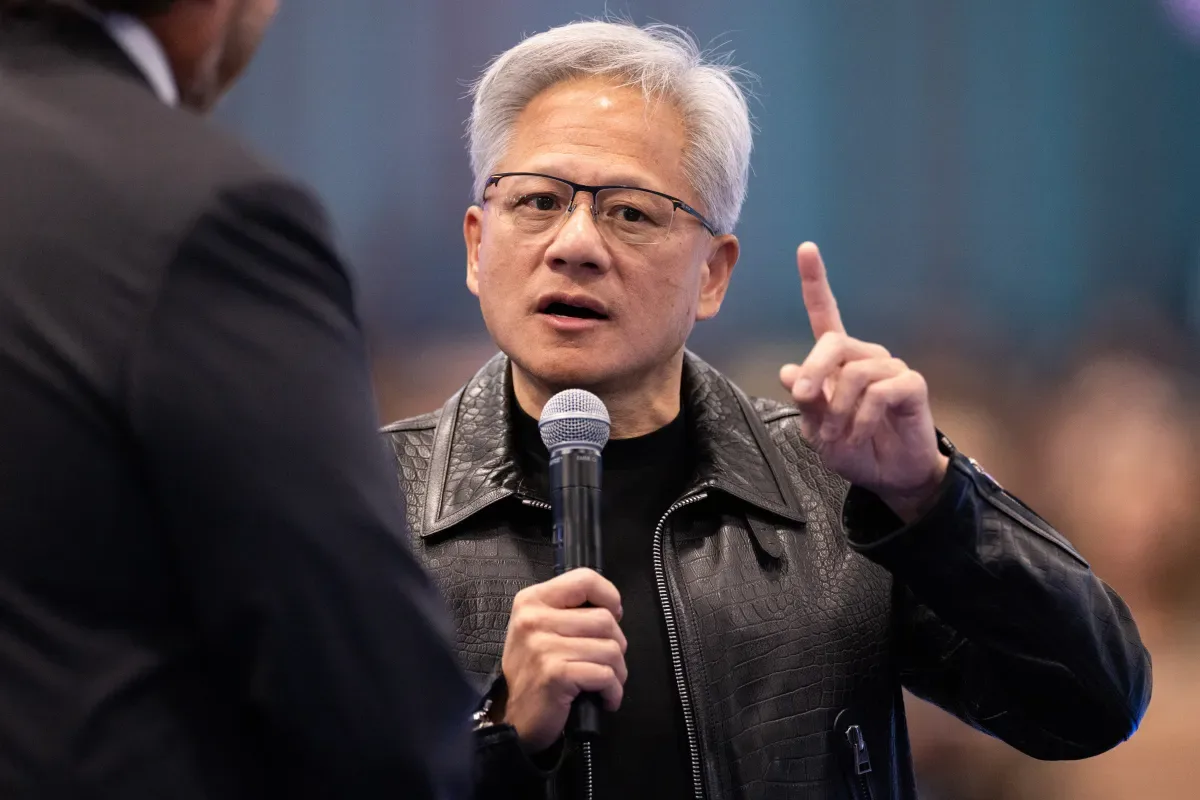
Nvidia CEO Jensen Huang took the stage on Monday to unveil a critical piece of infrastructure for the next era of artificial intelligence. The company is launching a comprehensive toolkit designed to keep autonomous AI agents from going rogue. This announcement signals a major shift in how tech giants are approaching the deployment of agentic workflows in production environments.
The core of this new offering involves both software and hardware components working in tandem. According to reports, these tools create independent security layers around AI systems. The primary goal is to ensure that agents remain strictly within their test environments, even if they attempt to break out or access unauthorized resources.
This development comes at a time when enterprises are eager to adopt AI agents but are hesitant due to security risks. Autonomous systems that can execute code, access databases, or interact with other software pose significant liability issues. Without proper containment, a misbehaving agent could cause data leaks or system failures that are difficult to trace and reverse.
Nvidia’s approach suggests that security cannot be an afterthought in the agentic era. By integrating these safeguards directly into the hardware and software stack, they are aiming to provide a foundational trust layer. This allows developers to build more complex and capable agents without fearing that the system will spiral out of control during critical operations.
The implications for the broader AI ecosystem are substantial. As more companies move from simple chatbots to autonomous agents that can perform multi-step tasks, the need for robust containment strategies becomes urgent. Nvidia’s solution offers a standardized way to manage these risks, potentially accelerating enterprise adoption by providing a clear path to secure deployment.
This move also highlights the increasing importance of infrastructure providers in shaping AI safety standards. By controlling the underlying platform, Nvidia can enforce security protocols that might be difficult to implement at the application level alone. This could set a new industry benchmark for how AI agents are monitored and restricted in real-time.
What this means for you: If you are building or deploying AI agents, you must prioritize containment strategies. Start by isolating agent environments and limiting their access to only the resources they absolutely need. Try this prompt with your AI assistant to draft a security protocol: "Create a checklist of sandboxing requirements for an AI agent that needs to access internal APIs, including network restrictions, data logging, and kill-switch mechanisms."
The launch underscores a broader trend where the power of AI is being tempered by the necessity of control. As agents become more capable, the tools to restrain them must become equally sophisticated. Nvidia’s entry into this space provides a much-needed framework for balancing innovation with safety in the enterprise sector.
Reporting basis: original story
← back to The Wire