the wire · #ai · 2026-09-27
Engram is a sampler that turns broken AI hallucinations into music
Cech Tech Reviews
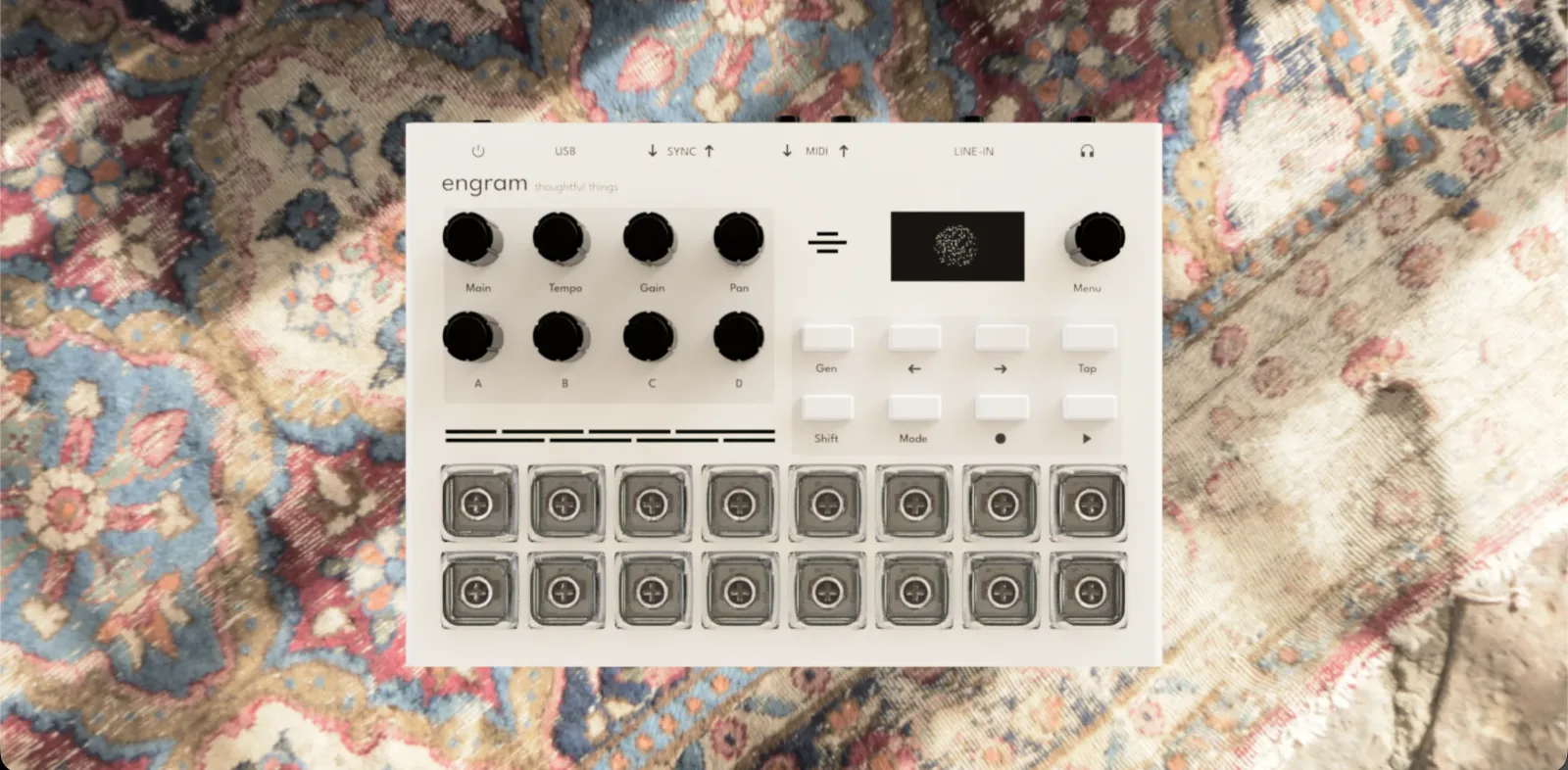
The Verge recently highlighted a fascinating shift in how we interact with generative audio. Thoughtful Things has launched a Kickstarter for Engram, a device that treats AI hallucinations not as errors to be fixed, but as creative raw materials. This approach flips the script on the current trend of using AI for seamless, polished content creation.
Unlike popular tools like Suno or Udio, Engram is not designed to generate radio-ready pop songs with a single button press. The creators explicitly state that this is not a push-button hit machine. Instead, it is a sampler and groovebox aimed at experimental artists who want to explore the weird edges of machine learning.
The hardware runs a custom tiny AI model locally on the device. This means there is no internet connection required for operation. By keeping the processing local, the device ensures privacy and allows for real-time manipulation without latency issues that often plague cloud-based audio tools.
The core concept revolves around mangling incoming audio and letting the model hallucinate new sounds. These hallucinations are often broken or uncanny. Engram captures these glitches and turns them into musical elements. This is a deliberate artistic choice rather than a technical limitation.
This device represents a broader trend in prosumer tech. Users are moving away from black-box AI solutions that do everything for them. They want tools that offer control, transparency, and unique sonic signatures. Engram fits into this niche by giving artists direct access to the internal logic of the model.
The implications for music production are significant. Producers can now use AI as a collaborative partner that introduces unexpected textures. This can break creative blocks by providing sounds that a human might never conceive. It transforms the AI from a generator into an instrument.
What this means for you: If you are a content creator, think about how you can use AI for texture rather than just output. Try this prompt with your local LLM or audio tool: Generate a list of ten abstract sound descriptors based on emotional states, then use those to guide your audio sampling parameters. This helps you move beyond generic results and into unique sonic territory.
Reporting basis: original story
← back to The Wire