the wire · #ai · 2026-08-11
Apple could help you prove your iPhone photos aren’t deepfakes
Cech Tech Reviews
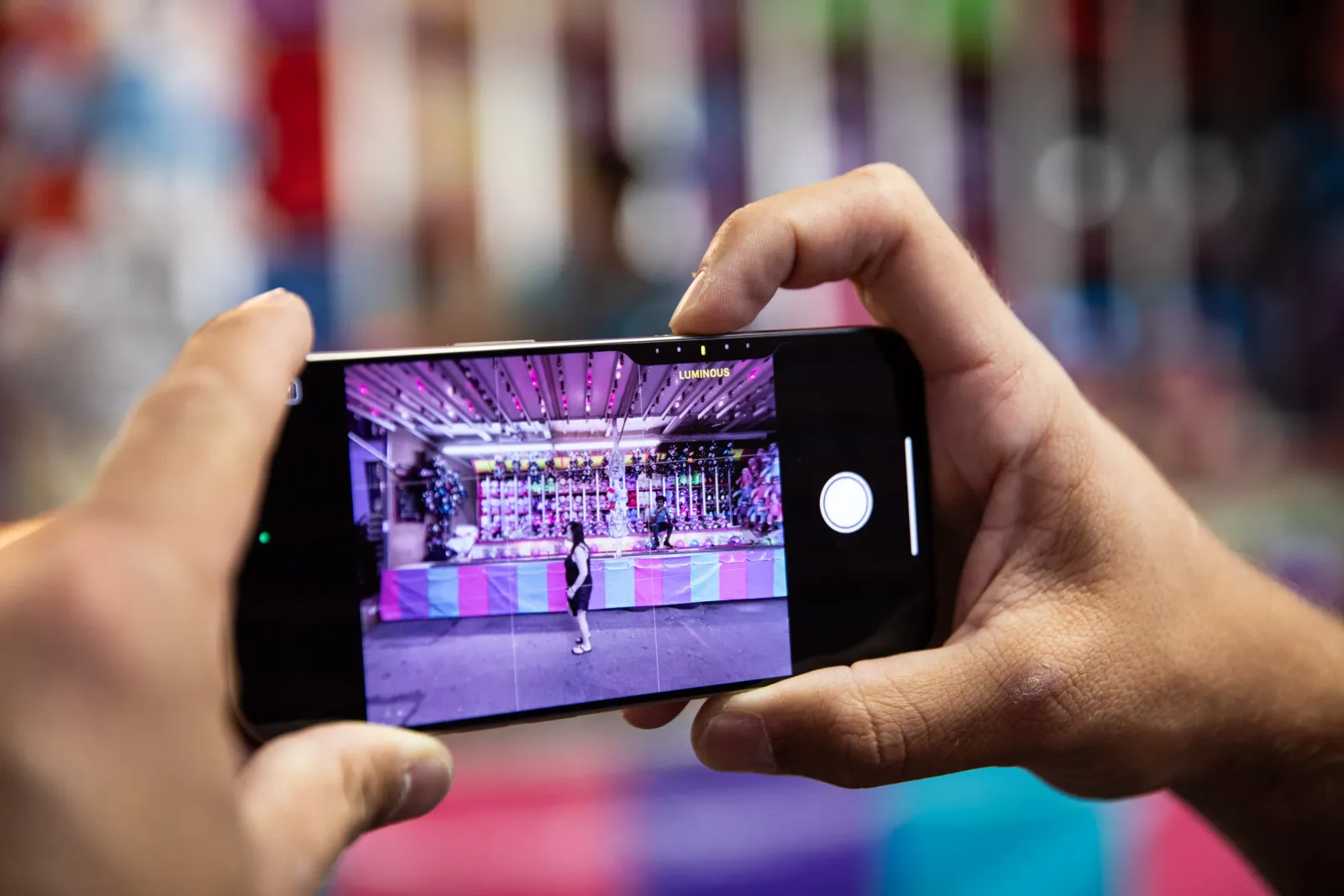
The line between reality and synthetic media is blurring faster than most of us can keep up with. Apple appears to be preparing a direct response to this challenge by developing a feature that embeds provenance metadata directly into iPhone photos at the moment of capture. According to reporting by 9to5Mac, code references for an Apple Reference Image system have surfaced in the iOS 27 beta 5.
This is not just a subtle background update. The system is designed to cryptographically sign images as they are taken. This allows users and platforms to verify that a photograph originated from a specific device and has not been altered by generative AI tools. It is a technical solution to a social problem that is becoming increasingly difficult to manage.
Interestingly, the feature is currently disabled by default. A privacy disclosure within the beta suggests that Apple is approaching this with caution. Users would need to manually enable the Reference Mode through the Settings app. This opt-in approach likely reflects concerns about user privacy and the potential for surveillance or unwanted tracking of image origins.
The implications for content creators and everyday users are significant. As AI tools make it easier to fabricate convincing images, the ability to prove authenticity becomes a valuable commodity. This feature could help journalists, legal professionals, and casual users distinguish between genuine moments and AI-generated fakes without relying on third-party tools.
However, this is not a silver bullet. Provenance metadata can be stripped or altered if an image is shared through certain platforms or edited in third-party apps. The security of the system relies on the integrity of the capture process. If the initial photo is manipulated before the metadata is embedded, the verification fails. This highlights the importance of capturing content directly from trusted sources.
This move by Apple aligns with broader industry efforts to establish trust in digital media. Other tech giants are exploring similar standards for content authenticity. The competition to set the standard for verified content could shape how we interact with information online for years to come. It is a race to define what is real in an increasingly synthetic world.
What this means for you is that you may soon have a powerful tool to verify the authenticity of images you encounter or share. As these standards mature, relying on visual inspection alone will become insufficient. You should start thinking about how you verify sources in your own workflows.
Try using an AI assistant to draft a checklist for verifying image sources. Ask it to generate a workflow that includes checking metadata, reverse image searching, and cross-referencing with trusted news outlets. This habit will serve you well as AI-generated content becomes more prevalent in your daily feed.
Reporting basis: original story
← back to The Wire