the wire · #ai · 2026-08-09
AI detectors are creating a new era of distrust
Cech Tech Reviews
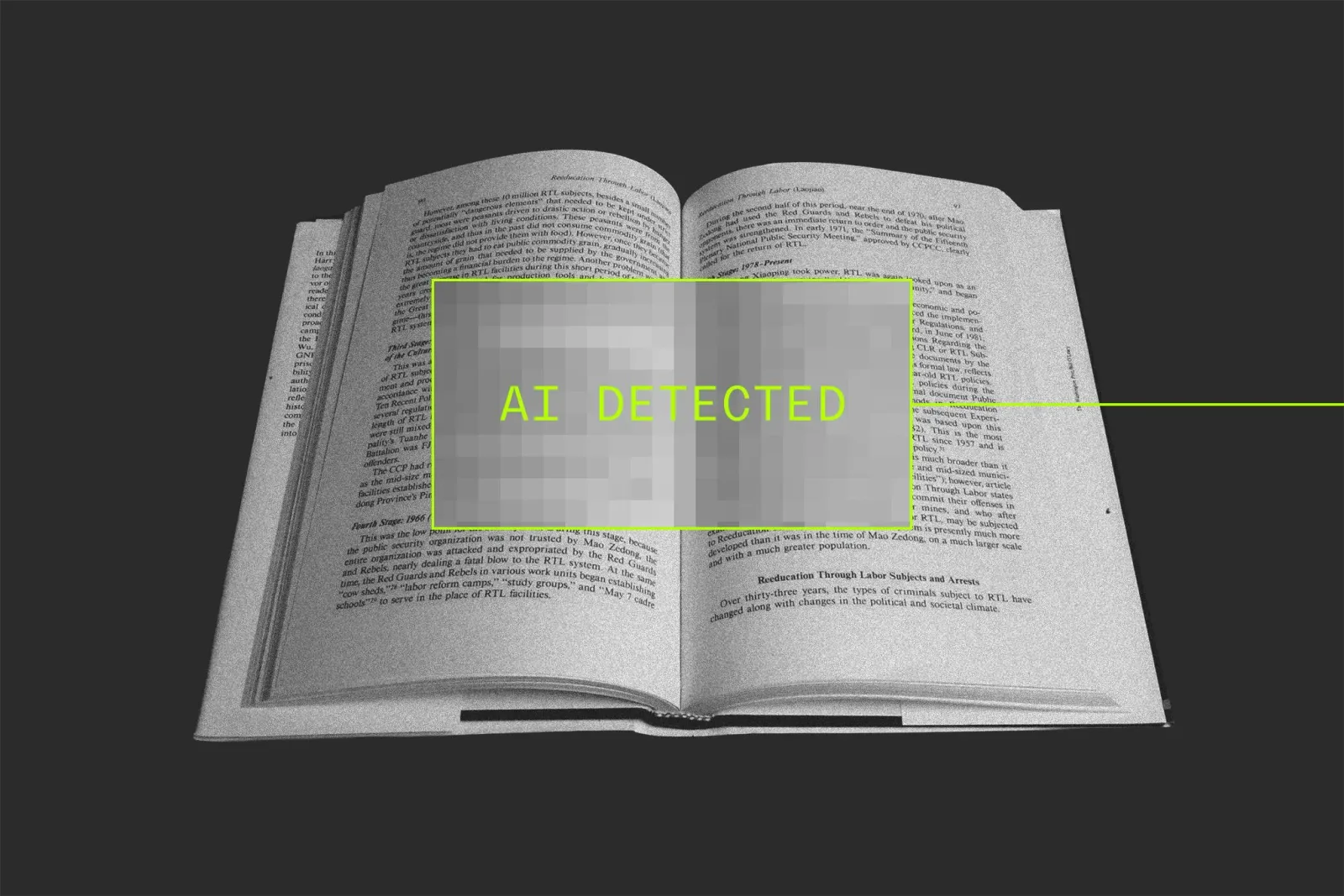
The rise of artificial intelligence has forced a reckoning in how we verify the origin of digital content. According to reporting by The Verge, we are entering a new era defined not by the sophistication of AI, but by the growing distrust it generates. This shift is particularly visible in educational and editorial spaces where the stakes for authenticity have never been higher.
Historically, anti-plagiarism tools like Turnitin served a clear purpose. They compared written works against vast databases of web content and scholarly articles to identify matching sentences. The goal was straightforward: ensure that writers were being honest about their sources and originality. This system worked well enough for decades, creating a baseline of trust in academic and professional writing.
The landscape changed dramatically with the advent of large language models. Now, educators and editors are deploying similar detection mechanisms to identify AI-generated text. The logic seems sound on the surface. If a tool can spot patterns typical of machine generation, it can flag potential cheating or deception. However, the implementation of these tools has introduced significant friction into the creative and academic process.
The core problem lies in the reliability of these detectors. They are not infallible. Human writing often contains patterns that AI models mimic, leading to false positives. Conversely, sophisticated AI can be prompted to write in ways that evade detection. This cat-and-mouse game means that the tools are constantly playing catch-up, often resulting in innocent writers being accused of using AI when they did not.
This dynamic is creating a culture of suspicion. Instead of fostering trust, these detectors are forcing individuals to prove their humanity. Writers and students must now navigate a system where their natural voice might be flagged as suspicious. The burden of proof has shifted from the accuser to the accused, creating an adversarial relationship between creators and the institutions that evaluate their work.
The implications extend beyond just academic integrity. In the professional world, editors and journalists are facing similar challenges. The fear of being labeled as AI-generated is causing hesitation in adopting new tools that could enhance productivity. This hesitation stifles innovation and forces professionals to choose between efficiency and perceived authenticity. The result is a fragmented digital landscape where trust is in short supply.
What this means for you is that you need to be strategic about how you use AI in your workflow. Instead of trying to hide AI assistance, focus on adding unique human insight and verification. Use AI for drafting and brainstorming, but always inject your personal perspective and fact-check every claim. Here is a prompt you can try: "Review this draft for factual accuracy and suggest three specific areas where I can add personal anecdote or unique industry insight to make it stand out as human-written." This approach shifts the focus from detection to differentiation, helping you maintain credibility in an AI-saturated world.
Reporting basis: original story
← back to The Wire