the wire · #ai · 2026-08-11
Spotify will label ‘AI Persona' profiles and exclude their music from recommendations
Cech Tech Reviews
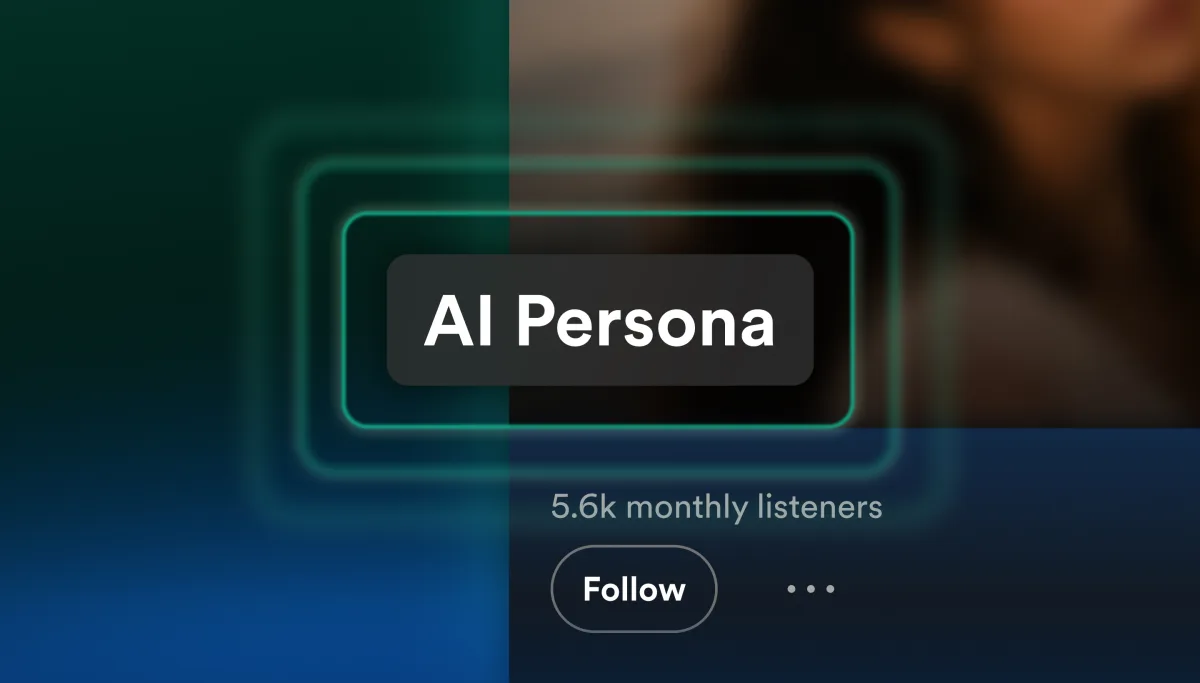
Spotify is taking a definitive stance on the growing flood of AI-generated music by introducing specific labels for "AI Persona" profiles. According to recent reporting, these profiles will be clearly marked to distinguish them from human artists. This transparency measure aims to give listeners immediate clarity about who or what they are listening to, addressing the confusion that has plagued the platform as synthetic voices become more sophisticated.
Beyond just labeling, Spotify is implementing a significant restriction on how this content is distributed. The company will exclude music from these AI personas from editorial, algorithmic, and personalized recommendations by default. This means that even if an AI-generated track is technically high quality, it will not appear in Discover Weekly, Release Radar, or curated playlists unless explicitly sought out by the user. This is a crucial distinction that separates passive discovery from active search.
This decision reflects a broader industry anxiety about the dilution of human creativity. As generative AI tools become more accessible, the barrier to releasing music has effectively vanished. Spotify’s move suggests they are prioritizing the discovery of human talent over the sheer volume of available content. It is a defensive strategy to maintain the cultural value of their platform in an era where content creation is becoming automated.
The implications for independent artists and producers are profound. While AI can mimic styles and generate melodies, it cannot yet replicate the nuanced storytelling and emotional connection that human artists provide. By removing AI personas from recommendation engines, Spotify is effectively creating a two-tier system. Human artists retain the chance for viral growth through algorithms, while AI-generated content is relegated to the periphery of the user experience.
From a business perspective, this is a smart play for user retention. Listeners often feel frustrated when they cannot distinguish between genuine artistic expression and mass-produced synthetic filler. By curating out the noise, Spotify aims to improve the overall listening experience. It reinforces the idea that their platform is a home for human culture, not just a repository for any audio file that can be uploaded.
This policy also sets a precedent for other streaming services and social media platforms. As AI video and image generation advance, similar labeling and restriction mechanisms will likely become standard. We may see a future where synthetic media is treated as a separate category entirely, much like how sponsored content is labeled today. The line between organic and artificial will need to be legally and technically enforced.
What this means for you: If you are using AI tools to create music or content, understand that visibility is no longer guaranteed. Platforms are actively filtering synthetic content from their growth engines. To succeed, you must either emphasize the human element of your work or use AI as a supplement rather than a replacement. Try this workflow: use an AI assistant to generate a draft of a song or script, but then manually edit and refine every section to inject personal voice and unique perspective before publishing. This ensures your content passes the "humanity test" that algorithms are starting to prioritize.
Reporting basis: original story
← back to The Wire