the wire · #gadgets · 2026-10-27
Apple knows the iPad mini market, but internet unimpressed by 60Hz
Cech Tech Reviews
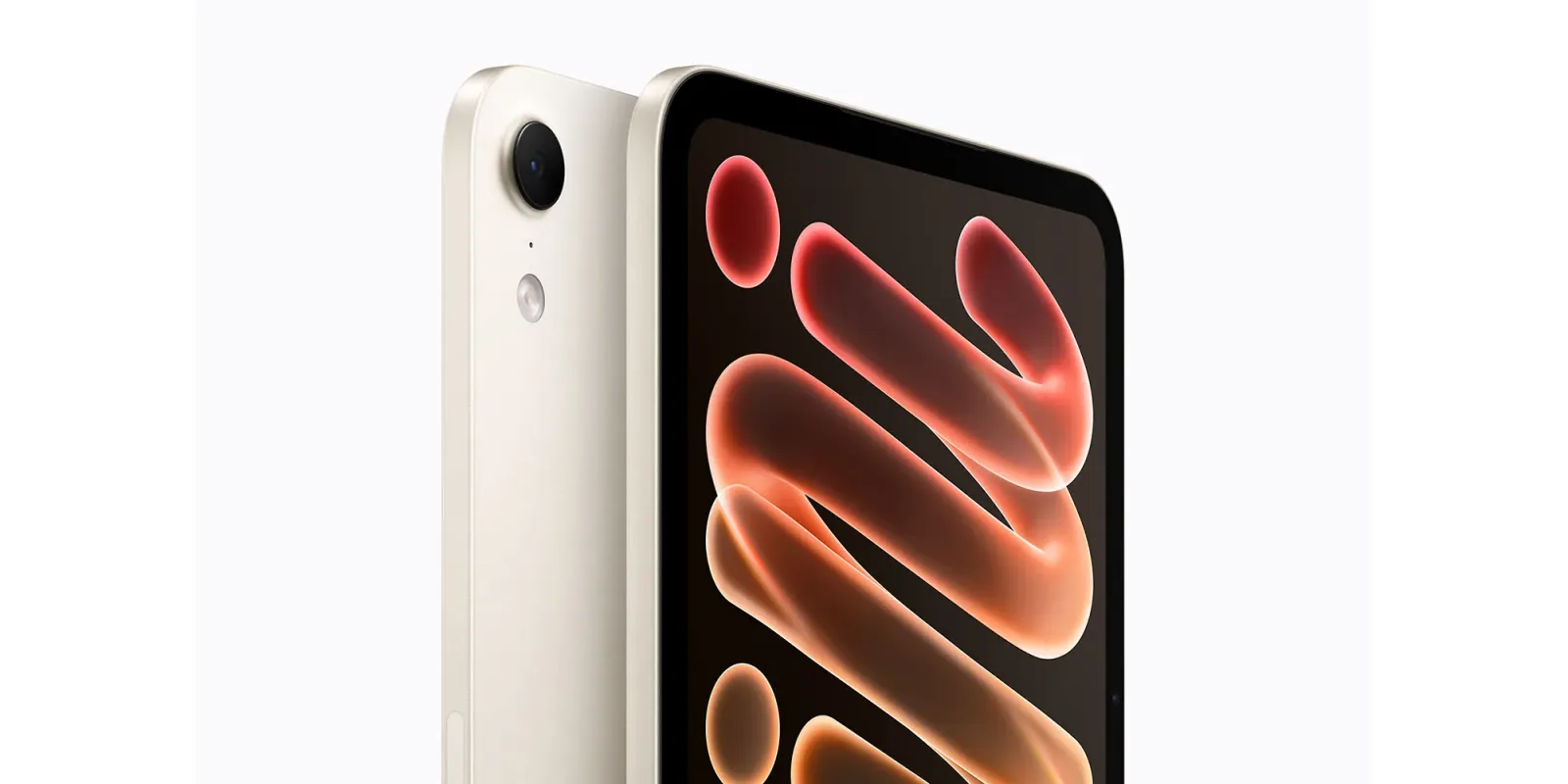
Apple has officially unveiled what it calls the biggest update ever to the iPad mini. The device now sports a stunning OLED display and features a design that is noticeably thinner and lighter than its predecessor. It is a significant leap forward in terms of build quality and visual fidelity for such a compact form factor.
However, the internet reaction has been surprisingly polarized. While many are praising the hardware improvements, a large segment of tech commentators is laser-focused on one specific omission. That omission is the refresh rate, which remains stuck at 60Hz despite the rest of the device getting a major overhaul.
According to reports, this lack of a higher refresh rate has become the primary talking point online. It seems that for many users, the smoothness of scrolling and animation is now a non-negotiable feature. The frustration suggests that consumers are beginning to expect flagship-level performance consistency across all device categories.
This situation reveals a deeper shift in consumer expectations. We are moving past the era where a single premium feature like an OLED screen can justify a purchase. Buyers now want a holistic experience where every aspect of the device feels modern. A 60Hz screen on a device with an OLED panel can feel like a deliberate compromise rather than a necessary trade-off.
From an AI and productivity standpoint, this distinction matters more than it might seem. Higher refresh rates reduce motion blur and make interactions feel more responsive. For professionals using AI tools to generate content or edit media, that tactile responsiveness can impact workflow efficiency. It changes how we perceive the speed of our digital tools.
Apple likely made this choice to differentiate the mini from the larger iPad Pro models. It is a classic strategy to create a clear hierarchy within a product line. However, it risks alienating users who prioritize performance over size. The mini is often bought for its portability, but if it feels sluggish, that advantage is diminished.
What this means for you is that hardware specs are no longer just about raw power. They are about the feel of the interaction. When evaluating new AI hardware or tablets, look beyond the processor and screen type. Consider how the refresh rate affects your daily tasks. If you are using AI assistants for quick queries or creative brainstorming, a smoother display can make the experience feel more fluid and less jarring. Try using your current tablet with a high-refresh-rate app and compare it to a standard one. You might find that the difference in perceived speed is significant. This awareness will help you make better purchasing decisions for your AI workflow.
Reporting basis: original story
← back to The Wire