the wire · #gadgets · 2026-10-28
Apple memory supplier expects price increases through at least 2030
Cech Tech Reviews
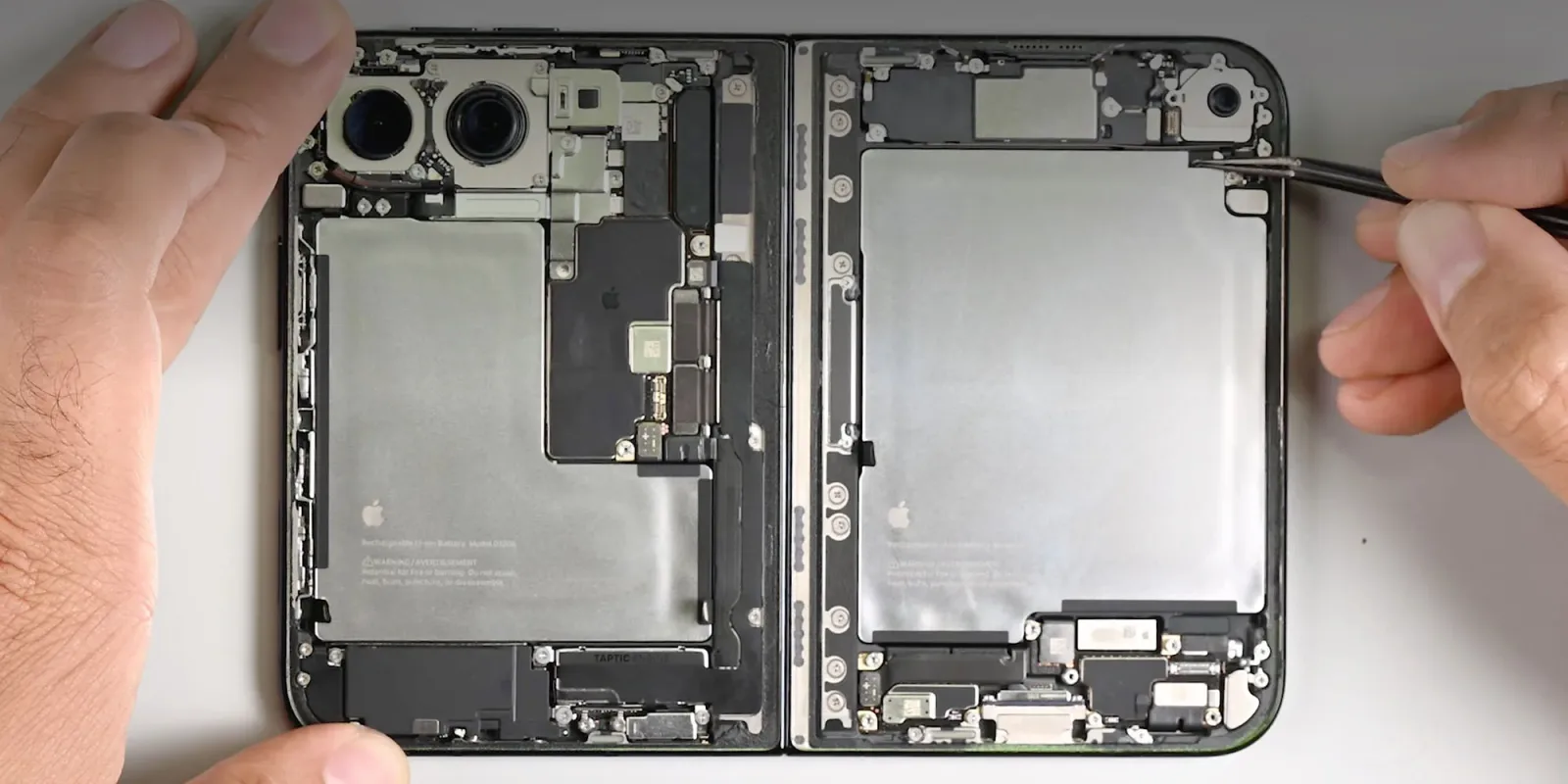
The landscape of hardware economics is shifting beneath our feet, and the latest warning from SK Hynix is a stark reminder of the physical limits we are hitting. According to reports, the key memory supplier to Apple expects RAM and flash memory shortages to last through at least 2030. This is not a temporary blip but a structural issue that will keep product prices elevated for the foreseeable future.
Apple is reportedly one of fourteen customers who have secured priority orders through long-term contracts. However, these agreements do not shield them from price hikes driven by the fundamental imbalance between supply and demand. Even with guaranteed access to inventory, the cost of that inventory is climbing steadily. This distinction is crucial for understanding how big tech is navigating this new reality.
The implications for the AI industry are profound. We are currently in a race to build massive models that require enormous amounts of high-bandwidth memory. If the cost of memory remains high for the next six years, the barrier to entry for developing cutting-edge AI models will only increase. Smaller startups may find it increasingly difficult to compete with giants who can absorb these costs or secure priority access.
This trend also suggests a change in how we view consumer electronics. The era of rapidly dropping prices for high-performance devices may be over. As memory becomes a scarcer and more expensive resource, manufacturers will likely pass these costs on to consumers. You might see fewer budget-friendly options for high-spec laptops and smartphones in the coming years.
The focus on priority contracts highlights a new form of corporate diplomacy. Securing a spot on the list of privileged customers is becoming as important as the technology itself. Companies are no longer just buying chips; they are buying security in a volatile supply chain. This shift towards vertical integration and exclusive partnerships is likely to accelerate across the industry.
For entrepreneurs and developers, this means that hardware constraints will be a primary factor in your strategic planning. You cannot assume that compute and storage will become cheaper and more abundant in the near term. Instead, you must design systems that are efficient with memory usage from the ground up. Optimization will become a key competitive advantage rather than an afterthought.
What this means for you is that you need to rethink your AI workflows. If you are building applications that rely heavily on local processing or large datasets, you must prioritize efficiency. Here is a prompt you can use with your AI assistant to optimize your current codebase for lower memory usage. Ask your AI to analyze your Python scripts and suggest specific libraries or code structures that reduce RAM consumption without sacrificing performance. This proactive approach will save you money and improve scalability as hardware costs rise.
Reporting basis: original story
← back to The Wire