the wire · #gadgets · 2026-07-21
Apple loses bid to overturn $634 million Masimo patent verdict, new trial also denied
Cech Tech Reviews
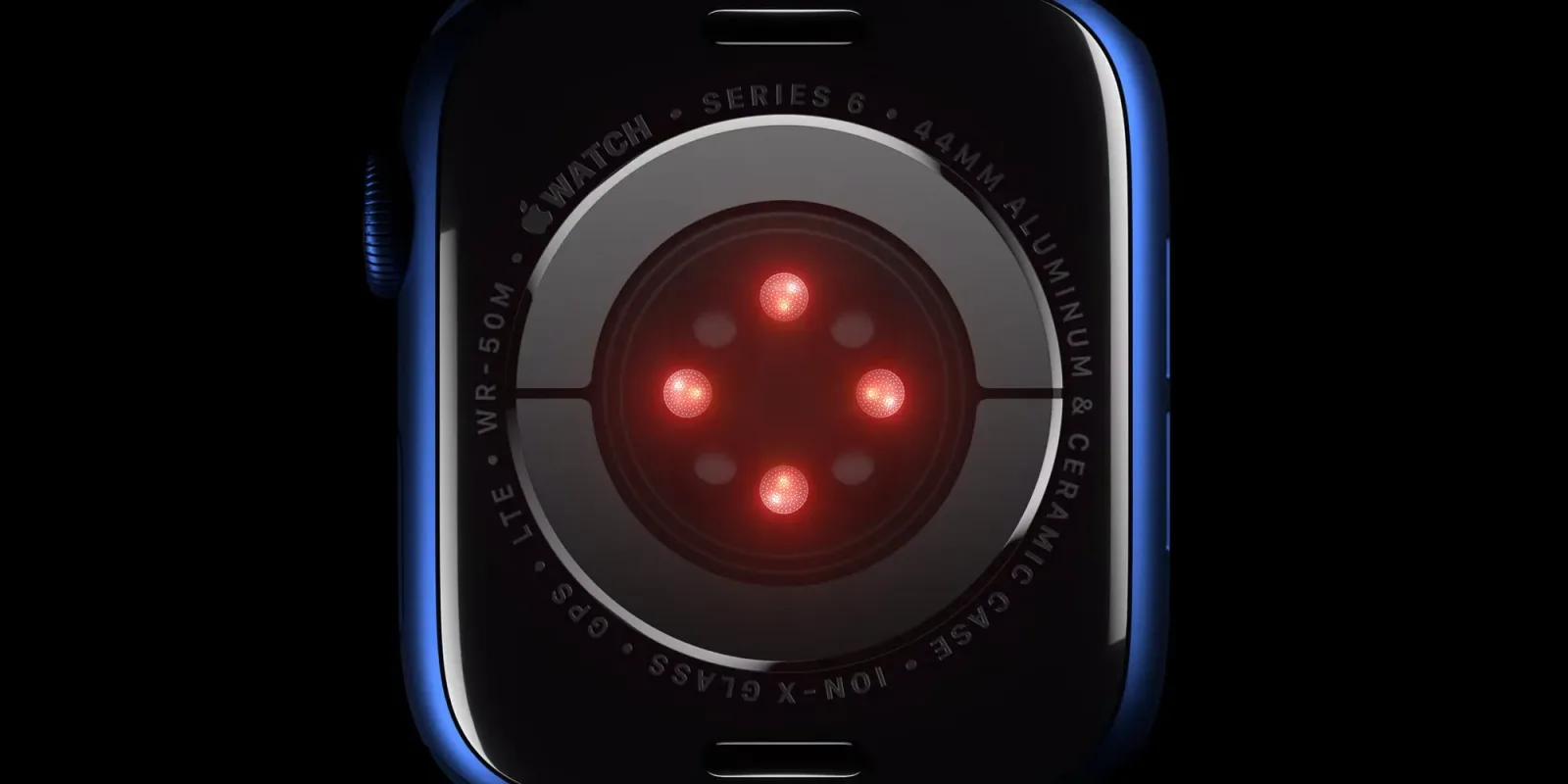
Apple has suffered a definitive setback in its years-long legal dispute with Masimo. According to recent reporting, the company’s latest attempts to overturn a massive $634 million patent verdict were rejected by the court. This ruling effectively closes the door on Apple’s immediate hopes for a complete legal reversal of the judgment.
The court also denied Apple’s request for a new trial. This is a crucial detail because it means the original verdict stands as final in this phase of the litigation. Apple can no longer argue that the trial process was flawed or that new evidence should be considered in a retrial. The legal window for these specific appeals has now shut.
This outcome highlights the growing importance of hardware patents in the broader AI and tech ecosystem. While much of the current AI conversation focuses on software models and data, the physical devices that run these models are becoming increasingly contested. Companies like Masimo are proving that they can hold industry giants accountable for infringing on specialized sensor technologies.
The financial implications are substantial for Apple. A $634 million penalty is not just a line item but a signal to the market. It suggests that the cost of ignoring intellectual property rights in hardware design is rising. This could force larger tech firms to rethink their approach to component sourcing and patent licensing.
For the AI industry, this case serves as a reminder that innovation is not just about algorithms. The sensors that collect data for health AI, fitness tracking, and biometric authentication are critical assets. Masimo’s victory underscores the value of proprietary hardware in the age of personalized AI and health monitoring.
Legal experts note that while Apple may still appeal to higher courts, the likelihood of success diminishes with each denial. The court’s firm stance indicates a strong belief in the validity of the original verdict. This could encourage other patent holders to pursue similar legal actions against larger tech companies.
The broader trend here is a shift in power dynamics. Smaller, specialized firms are finding ways to leverage their niche innovations against larger competitors. This is particularly relevant as AI integration into consumer hardware becomes more complex and interconnected.
What this means for you: If you are building AI-powered hardware or integrating sensors into your products, this case is a cautionary tale. Ensure your supply chain and design processes respect existing patents. You can use an AI assistant to scan your product specifications against known patent databases. Try this prompt: "Analyze this list of hardware components and sensors for potential patent infringement risks based on recent high-profile tech litigation outcomes." This proactive step can save you from costly legal battles down the road.
Reporting basis: original story
← back to The Wire