the wire · #gadgets · 2026-07-21
Apple shares true story video on how Apple Watch helped rescue an injured cyclist
Cech Tech Reviews
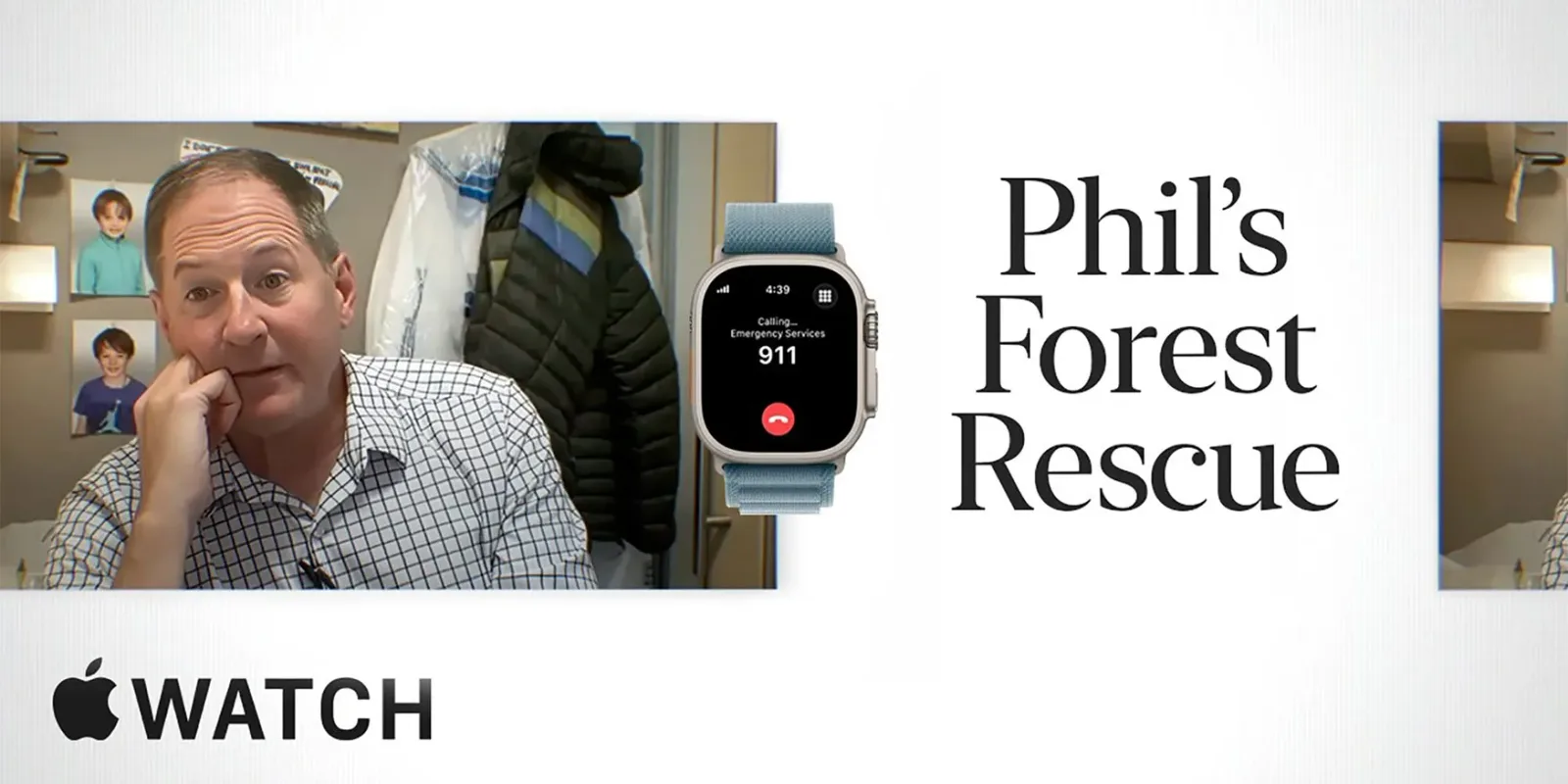
Apple has long used its marketing channels to showcase the life-saving potential of its hardware, and their latest video release is no exception. The company recently shared a compelling narrative about a cyclist who relied on the Apple Watch’s Fall Detection and Emergency SOS capabilities to get help after a serious accident. This isn't just a feel-good story. It serves as a stark reminder of how deeply integrated safety features have become in our daily lives.
The incident involved a cyclist who suffered a significant fall. According to the report, the watch detected the impact and the subsequent lack of movement. It then automatically triggered an alert to emergency services. This sequence of events happened without the user needing to physically interact with the device, which is often impossible when injured or disoriented. The speed of this automated response likely played a crucial role in the outcome.
What makes this case particularly interesting from a tech perspective is the reliability of the sensors involved. Fall Detection relies on a combination of the accelerometer and gyroscope to identify specific motion patterns associated with hard falls. When these sensors detect a fall and the user does not move for a short period, the system assumes the user is incapacitated. This logic is simple but incredibly effective in high-stress situations where human reaction time is compromised.
The integration with Emergency SOS adds another layer of safety. Once the fall is detected, the watch can automatically call emergency services and share the user's location. This removes the burden of making a phone call from someone who may be in shock or physically unable to do so. For many users, this feature is a silent guardian that operates in the background, only revealing its importance when it is needed most.
From an industry standpoint, this highlights the competitive advantage Apple has built around health and safety. While other smartwatches offer similar features, the maturity of Apple's implementation and its widespread adoption create a network effect. More users mean more data, which leads to better algorithms and fewer false positives. This continuous improvement loop makes the device more trustworthy over time, encouraging even more users to rely on it for critical safety.
It is also worth noting the broader implications for wearable technology in general. As these devices become more sophisticated, they are transitioning from fitness trackers to essential health monitors. This shift changes how we view our personal devices. They are no longer just tools for productivity or entertainment. They are active participants in our well-being, capable of intervening in life-threatening situations.
For professionals and enthusiasts alike, this story underscores the importance of understanding the capabilities of your own devices. Many users wear smartwatches but do not fully configure their safety settings. Ensuring that Fall Detection is enabled and that your emergency contacts are up to date can make a significant difference. It is a small step that can have profound consequences.
What this means for you: Take five minutes today to review your smartwatch safety settings. Ensure Fall Detection is active and your emergency information is current. You can use this prompt with your AI assistant to guide you: "List the steps to enable Fall Detection and set up Emergency SOS on my [insert device model] smartwatch, and explain what information is shared with emergency services." This simple action could be the difference between a minor inconvenience and a major crisis.
Reporting basis: original story
← back to The Wire