the wire · #gadgets · 2026-07-21
iPhone Air 2 is coming, here's everything we know so far
Cech Tech Reviews
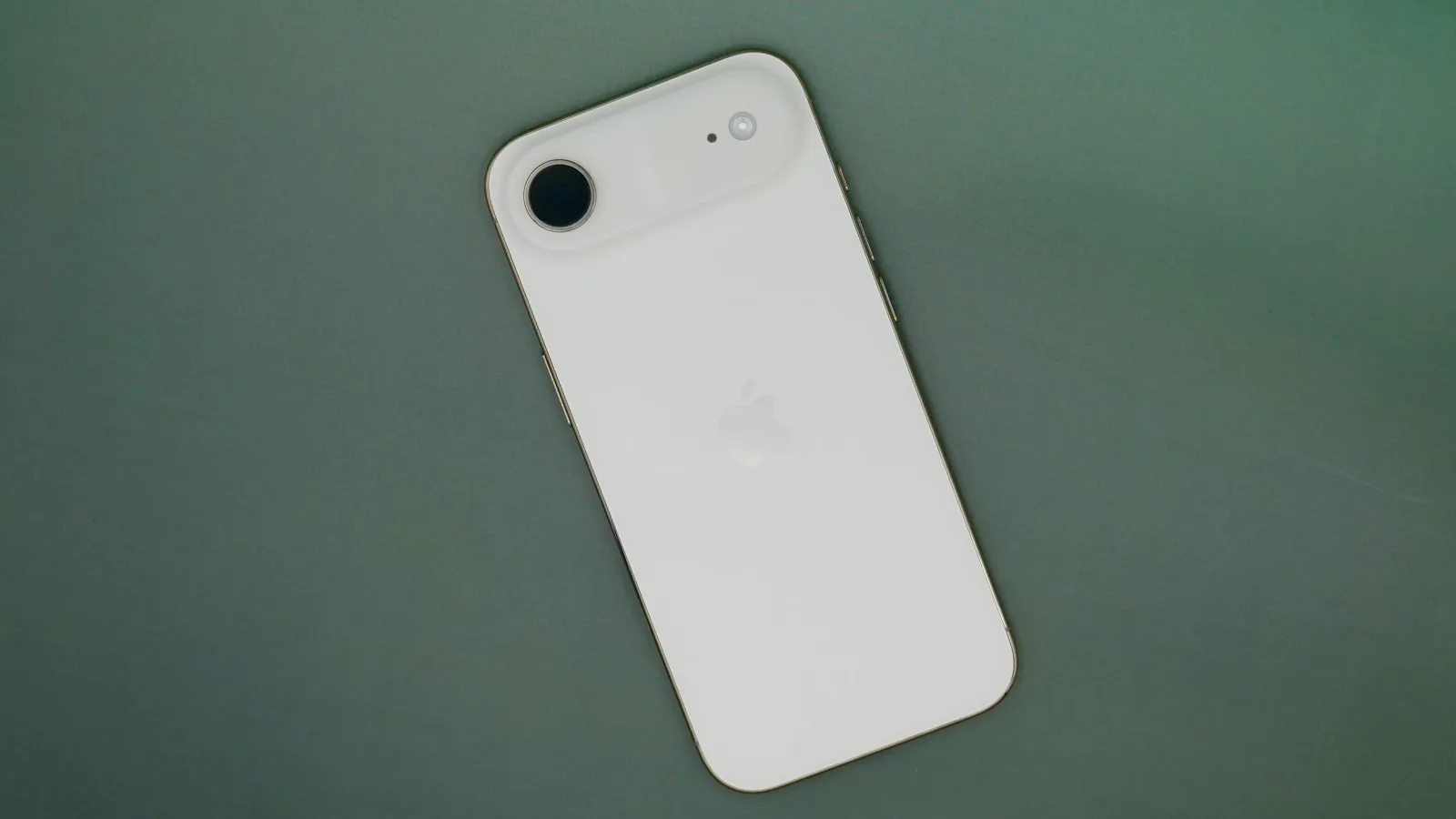
Apple is quietly working on the second generation of its iPhone Air, and the stakes are significantly higher than the debut model. According to recent reports, the tech giant is focused on resolving the critical thermal and battery limitations that defined the original release. This isn't just about making a phone thinner again. It is about proving that extreme form factors can coexist with serious performance capabilities.
The first iPhone Air was a bold statement on industrial design. It pushed the boundaries of what is physically possible in a smartphone chassis. However, that ambition came with tangible tradeoffs. Users noticed thermal throttling during intensive tasks and a battery life that struggled to keep pace with standard flagship models. These compromises were acceptable for a novelty launch but unsustainable for long term adoption.
Rumors suggest the iPhone Air 2 will prioritize internal efficiency over mere dimension reduction. Engineers are likely exploring new heat dissipation materials and more compact battery chemistries. The goal is to maintain the sleek profile while delivering the sustained performance users expect from an Apple device. This shift indicates a maturation in their hardware strategy.
From an AI perspective, this hardware evolution is crucial. Modern on device AI models require consistent power delivery and stable thermal environments. If the iPhone Air 2 can solve these issues, it becomes a viable platform for running larger local models. This would allow for more sophisticated personal assistants without relying entirely on cloud processing.
The broader implication here is a potential industry trend. As competitors chase AI integration, hardware must support it without sacrificing usability. Apple’s approach with the Air 2 could set a new standard for how we balance aesthetics with computational power. It moves the conversation from how thin can we go to how smart can we make it while staying thin.
This development also highlights the importance of iterative design in consumer electronics. The first generation served as a proof of concept. The second generation must deliver a polished product that justifies the premium price tag. Success here could cement Apple’s leadership in premium smartphone design for years to come.
What this means for you: If you are an AI enthusiast looking to run local models on mobile devices, keep an eye on the iPhone Air 2. Its thermal improvements could make it a serious contender for on device inference. Try this workflow with your current AI assistant: ask it to outline the specific hardware requirements for running a 7 billion parameter model locally. Then compare those specs against the rumored improvements in the new iPhone Air to see if it might be worth the upgrade for your personal AI toolkit.
Reporting basis: original story
← back to The Wire