the wire · #global · 2026-09-27
As A.I. Accelerates, Governments Are Increasingly Being Left Behind
Cech Tech Reviews
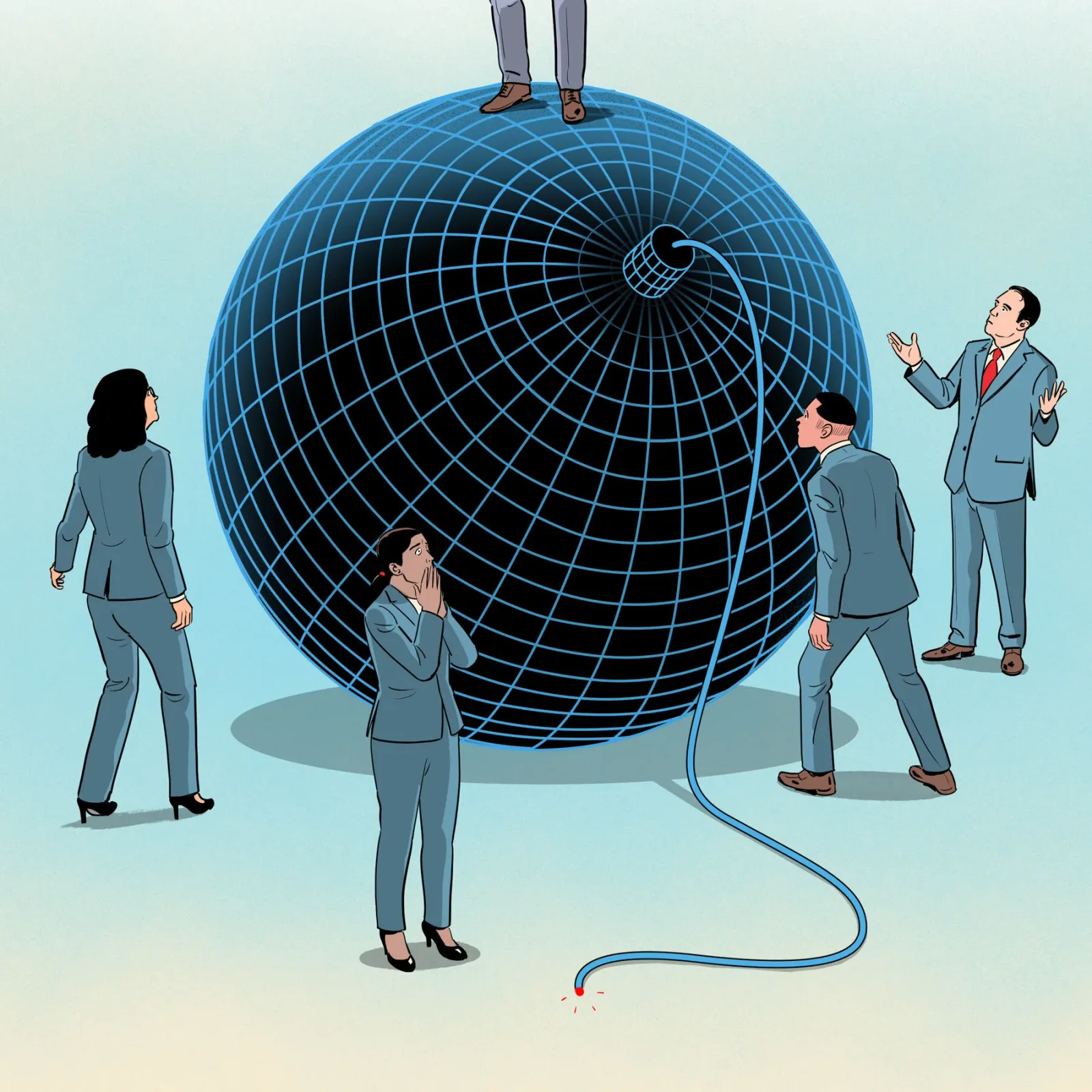
The speed of AI development has officially outpaced the ability of governments to regulate it, and the gap is widening. According to reports, policymakers across the globe are facing an unprecedented challenge as AI models evolve in months what used to take years, leaving a vacuum where clear rules and safety standards should exist.
This isn't just bureaucratic slowness. The traditional legislative cycle, built for industrial-era problems, simply cannot match the pace of transformer models, multimodal systems, and agentic AI dropping every few months. By the time a bill addressing GPT-4 capabilities reaches a vote, GPT-5 or its equivalent has already shifted the landscape.
The consequences are real. Without enforceable frameworks, questions about liability when AI makes harmful decisions, intellectual property when models train on copyrighted work, and competition when a few labs control frontier systems remain in legal limbo. The EU's AI Act took years to pass and was already debated as outdated before implementation.
Part of the problem is that legislators often lack the technical literacy to draft meaningful rules. They rely on expert testimony, but experts disagree violently on timelines, risks, and whether regulation will help or harm progress. That indecision creates drift, and drift creates risk.
Some governments are trying adaptive approaches, like regulatory sandboxes or principles-based frameworks that avoid naming specific technologies. But these are still catching up to 2023-era AI, not what is shipping now or next quarter. The policy vacuum means companies are self-regulating, and history suggests that rarely ends well without external accountability.
What this means for you: if you are building with AI tools, assume the rules will be unclear for the foreseeable future. Document your processes, be transparent about what your systems do, and build in safety margins now rather than waiting for mandates. If you are using AI for content, data analysis, or decision support, try this prompt with your assistant: "Review this workflow and flag any steps that could create legal, ethical, or compliance risk if regulations tighten in the next 12 months." It will not replace a lawyer, but it will help you think ahead.
Reporting basis: original story
← back to The Wire