the wire · #ai · 2026-09-25
Meta’s AI Tamagotchi bet is…working?
Cech Tech Reviews
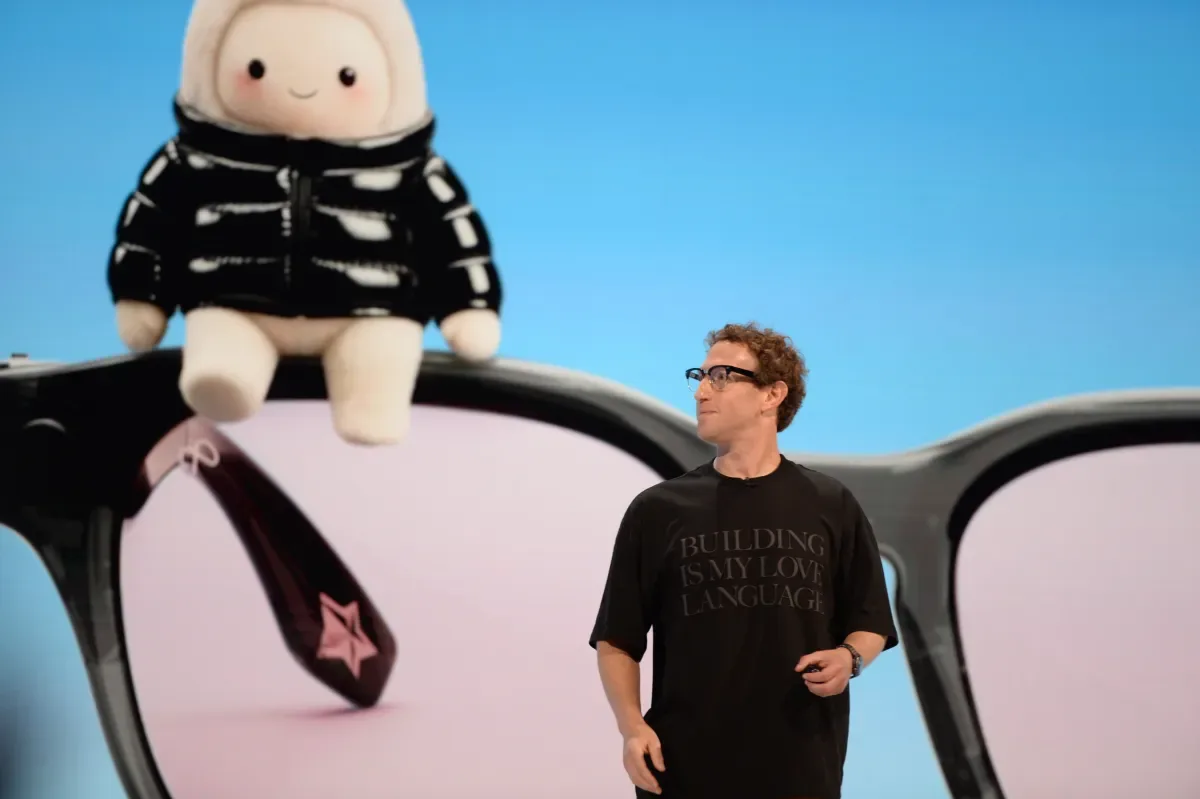
While OpenAI and Anthropic spent this week racing to drop GPT-6 and Opus 5.5 within 90 minutes of each other, Meta quietly won the week with numbers that matter more than benchmarks. According to industry reports, Meta's Muse personal AI agent is outpacing ChatGPT's early adoption curve, and the company is already planning to embed it in smart glasses and wearables.
This is the AI product strategy divide playing out in real time. OpenAI and Anthropic are still fighting the frontier model war, obsessing over which can squeeze another few points out of benchmark tests. Meta looked at that race and asked a different question: what if people don't want a better search engine, they want a companion?
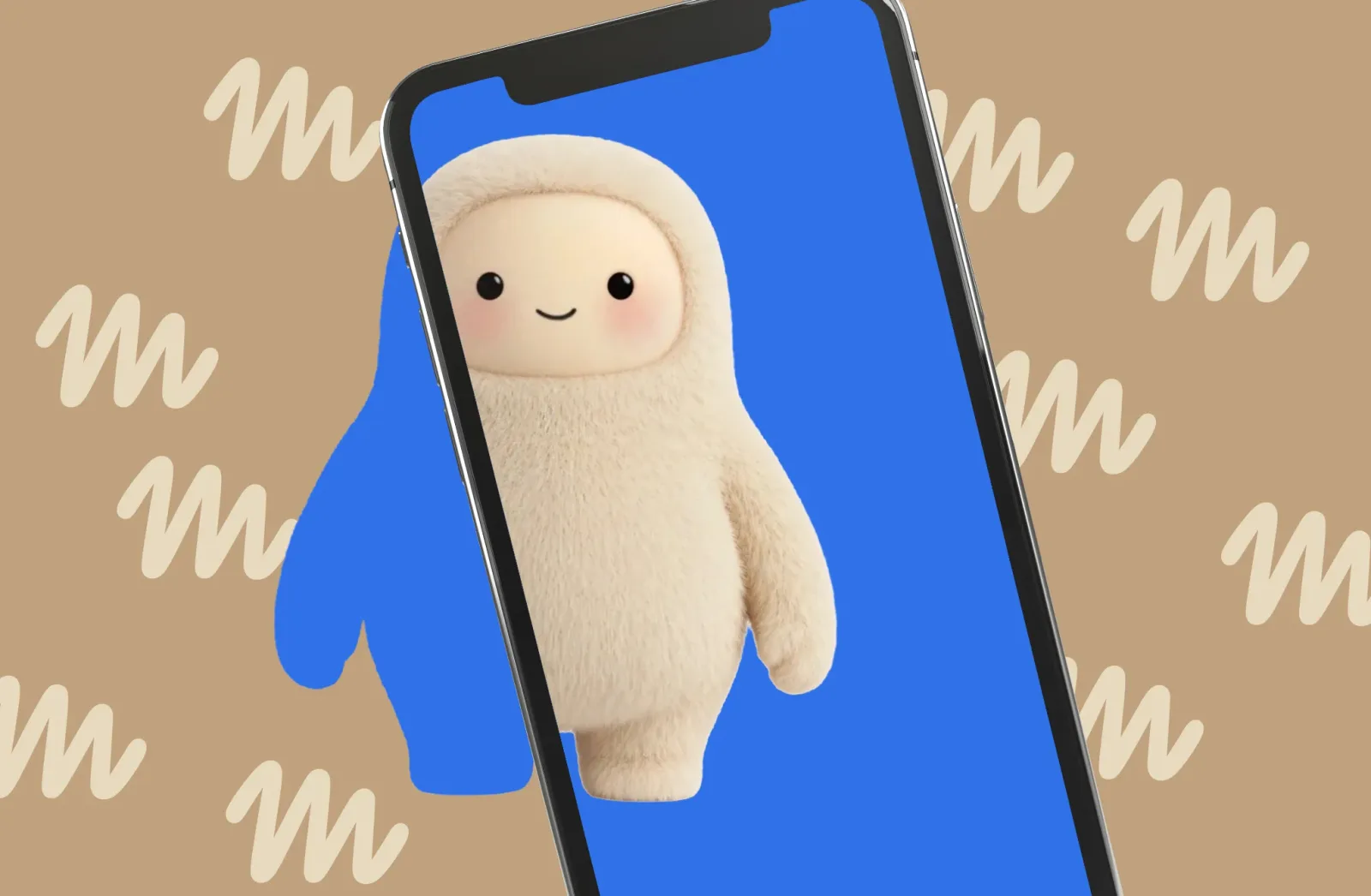
Muse isn't trying to be the most capable model. It's designed to be personal, persistent, and present throughout your day. That's the Tamagotchi bet: give people an AI they check in with, care about, and build routines around. Early user behavior suggests Meta read the room correctly. People are forming habits with Muse faster than they did with ChatGPT's early releases.
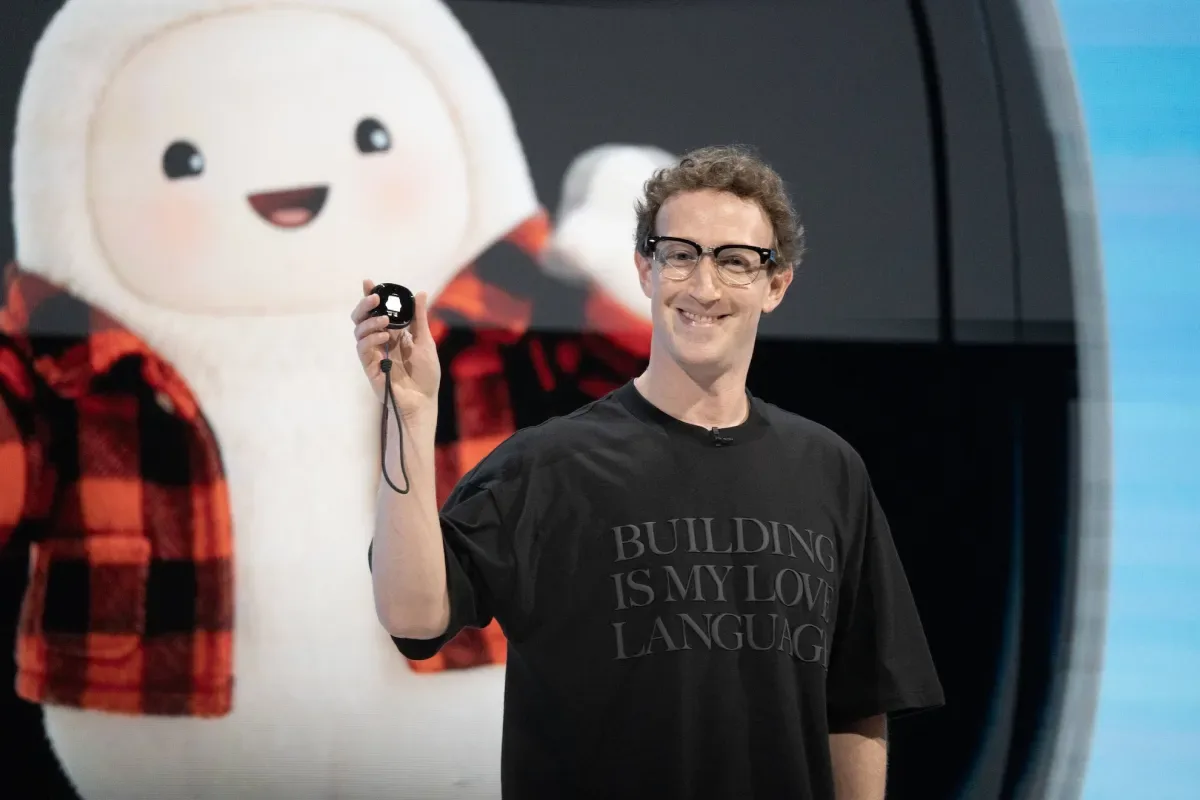
The smart glasses integration is the real tell. Meta isn't thinking about Muse as a chatbot you visit in a browser. It's building an ambient AI layer that lives in your field of view, your pocket, your wrist. That's a fundamentally different product vision than a reasoning engine you prompt when you have a hard problem.
This also explains why Meta has been so aggressive about open sourcing Llama while keeping Muse proprietary. The model is commodity infrastructure. The product, the relationship, the daily habit, that's the moat. OpenAI is still acting like the model is the product. Meta is betting the model is just the engine under the hood.
The frontier labs are pacing themselves on capability. Meta is sprinting on distribution and daily active users. Those are different races, and right now Meta is winning the one that actually prints money.
What this means for you: If you're building AI products or integrating AI into workflows, watch usage patterns, not capability announcements. The tools people use daily beat the tools that score highest on tests. Try this prompt with your AI assistant to build sticky habits: "Help me design a daily check-in routine where I review my top 3 priorities each morning and you suggest one action to move each forward. Keep each check-in under 3 minutes." That's the Muse playbook: frequent, fast, and personally relevant.
Reporting basis: original story
← back to The Wire