the wire · #global · 2026-09-25
Is China Really Stealing A.I. From American Companies?
Cech Tech Reviews
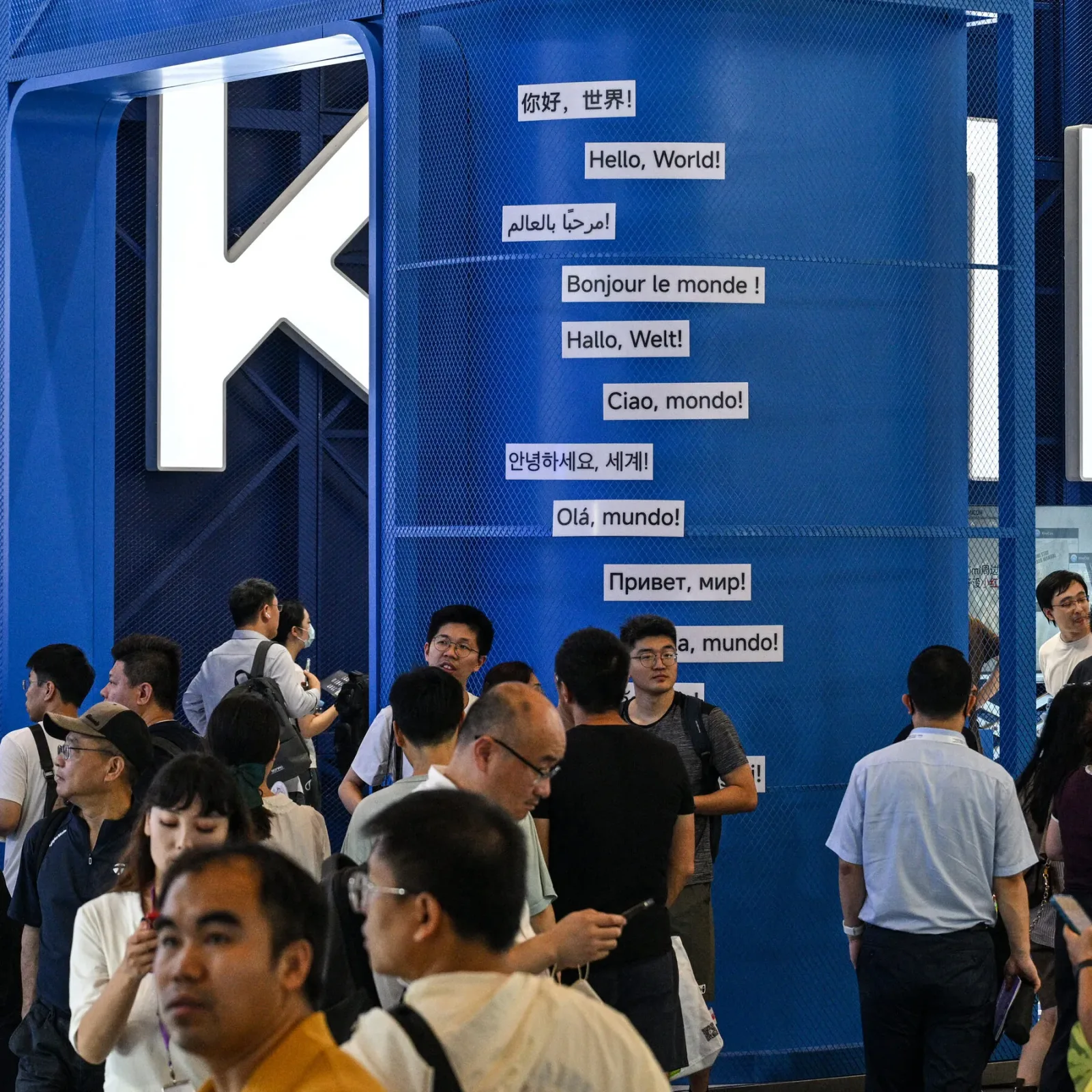
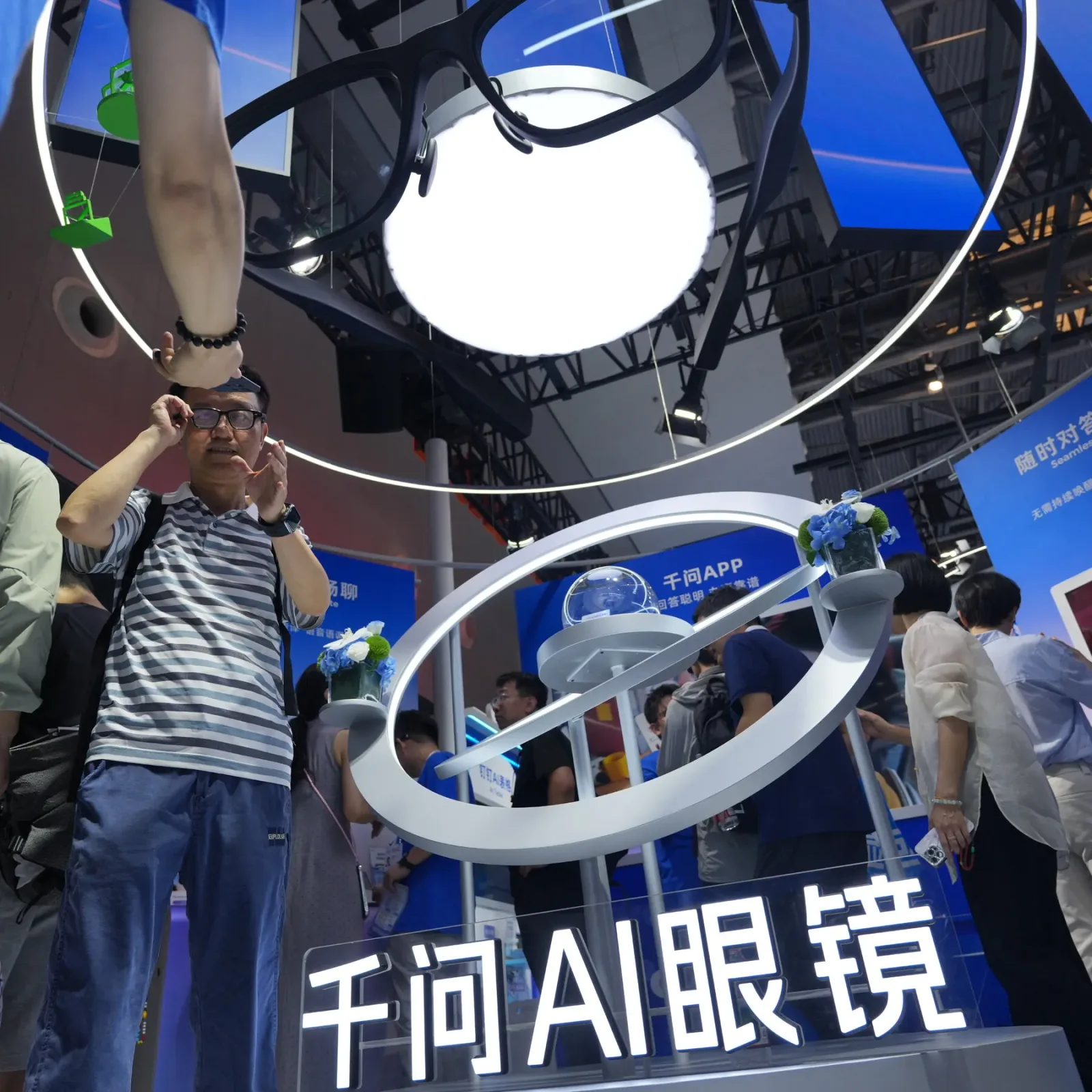
The upcoming diplomatic meeting between President Trump and Chinese leader Xi Jinping is set to address a contentious issue that goes far beyond standard intellectual property disputes. According to recent reporting, the core of the tension involves allegations that China is systematically copying American artificial intelligence technologies through a process known as model distillation. This is not about breaking into servers or stealing source code in the traditional sense. It is a sophisticated technical maneuver that exploits the open nature of modern AI development.
Model distillation allows a smaller, more efficient model to learn the behaviors and outputs of a much larger, more powerful model. Think of it as a student studying the answer key of a genius without ever seeing the genius's private notes. The Chinese tech sector has been aggressively pursuing this method to close the gap with US giants like OpenAI and Google. By using American models as teachers, they can create competitive domestic alternatives without incurring the massive computational costs required to train those models from scratch.
This approach fundamentally changes the narrative of technological espionage. It is not theft in the legal sense of stealing physical assets or proprietary code. Instead, it is a form of knowledge transfer that leverages the very openness that American companies championed to build their ecosystems. The US tech industry has long argued that open-source collaboration accelerates innovation. However, this diplomatic friction suggests that the same openness is now being used as a strategic weapon by geopolitical rivals.
The implications for the global AI landscape are profound. If distillation becomes the primary method for non-US entities to catch up, it could lead to a fragmented global AI ecosystem. We might see a world where American models dominate the high-end research tier, while Chinese models dominate the efficient, deployed tier in Asia and beyond. This bifurcation could make it harder for international standards to emerge, as different regions rely on different foundational technologies.
From a business perspective, this creates a new type of competitive risk for American AI firms. Their primary asset is no longer just their proprietary algorithms but the unique data and training processes that cannot be easily distilled. Companies that rely solely on model weights as their moat may find themselves vulnerable to this form of indirect competition. The focus must shift toward protecting the underlying data pipelines and the specialized human expertise that drives model development.
What this means for you is that the definition of competitive advantage in AI is shifting rapidly. If you are building applications on top of open models, you must consider the geopolitical and technical risks of relying on architectures that can be easily replicated. To stay ahead, you should focus on integrating proprietary data and unique workflows that cannot be distilled. Try using an AI assistant to audit your current model dependencies and identify which components are vulnerable to distillation attacks. Then, prioritize building custom fine-tunes on your own private datasets to create a defensible edge that goes beyond mere model weights.
Reporting basis: original story
← back to The Wire